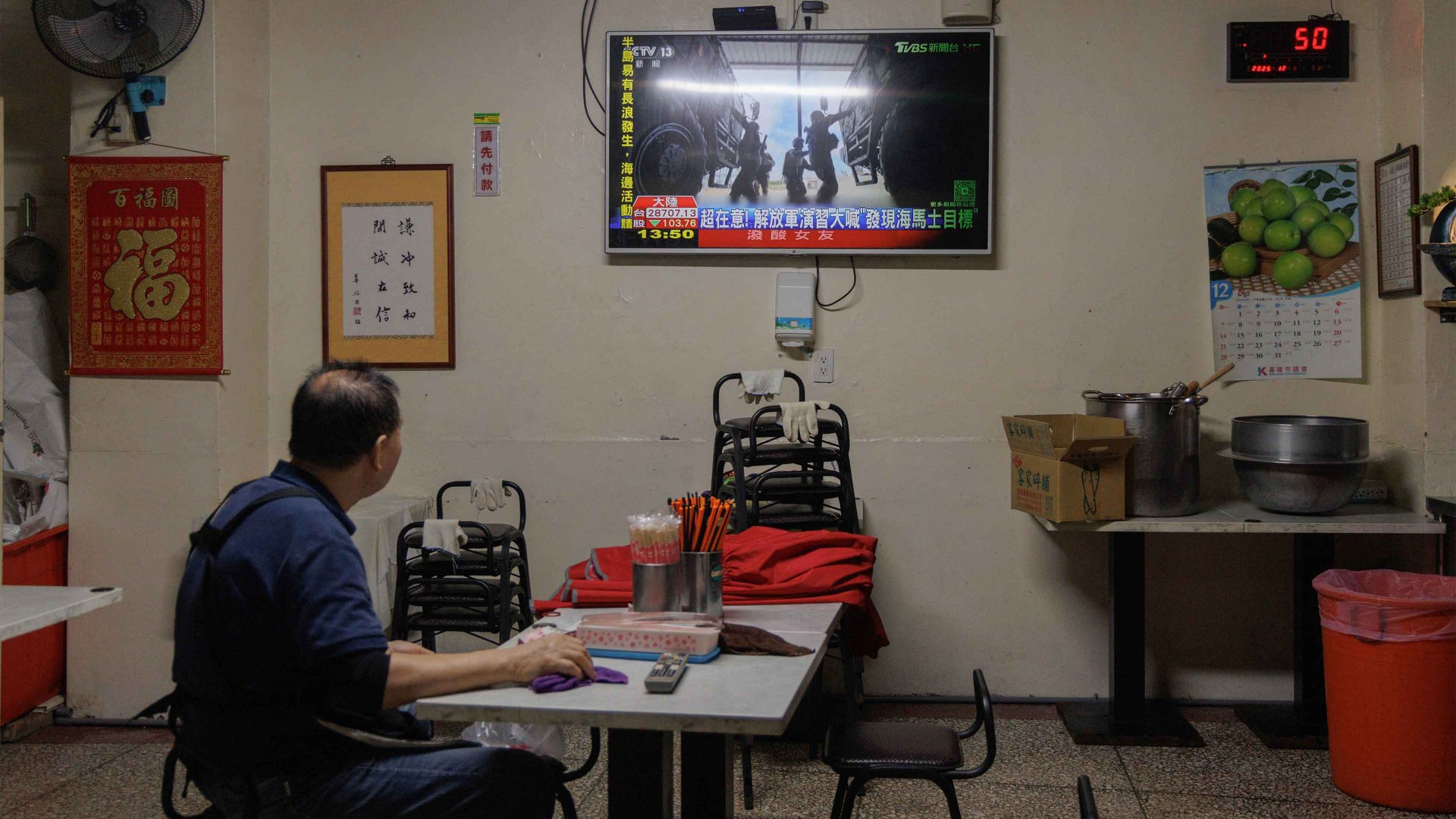
On my first day in Tashkent, a colleague took me out for lunch and we queued in front of a massive black cauldron known as a qozon, filled with plov, the country’s most famous dish. It’s rice with carrots, onions and spices, with large chunks of meat on top. Horse meat is also part of Uzbekistan’s culinary tradition. A horse-meat sausage called qazi is sometimes added.
It was a large plate of food along with a non, a local bread: total cost, around 16,000 Uzbekistani som, the equivalent of £1. Around me were students, construction workers, and office employees who prefer plov to fast food, because it’s healthier and cheaper.
My co-worker explained that it’s also considered a ceremonial food. “We eat it at weddings when we are happy, we eat it at funerals when we are sad, we can even eat it when we are just bored,” she chuckled. Many cultures have designated wedding or funeral foods, but I couldn’t help wondering if any other culture had such a multi-purpose dish.
Uzbekistani food is heavy on the meat and the dough, and whenever I ask why, I’m told: “Because we used to be nomads.” And it’s true – this food makes sense on the steppes and in the deserts. Meat and dough travel well, keep you full, and don’t spoil easily. Over the following weeks, I ate many incredibly delicious dishes based on the same combination: manti, lagman, shurpa, and samsa.
In the evenings I watch Uzbek television. As a native Turkish speaker I can understand a bit of what they’re saying, as Uzbek and Turkish are part of the Turkic language family. It’s comparable to a Spanish speaker watching Italian TV.
There are Turkish soap operas and also Russian TV shows – a lot of people still speak Russian, and people switch between Uzbek and Russian within the same conversation. It’s not an official language, but I noticed Russian on some of the forms I had to sign when I moved here.
When it comes to sports, people watch football, but not so much the Uzbek league. Instead they watch Spain’s La Liga or the English Premier League. When I ask people who they support, it’s Real Madrid or Liverpool. Asked whether they follow Tashkent clubs such as Pakhtakor or Bunyodkor, they shrug and say the Champions League is better.
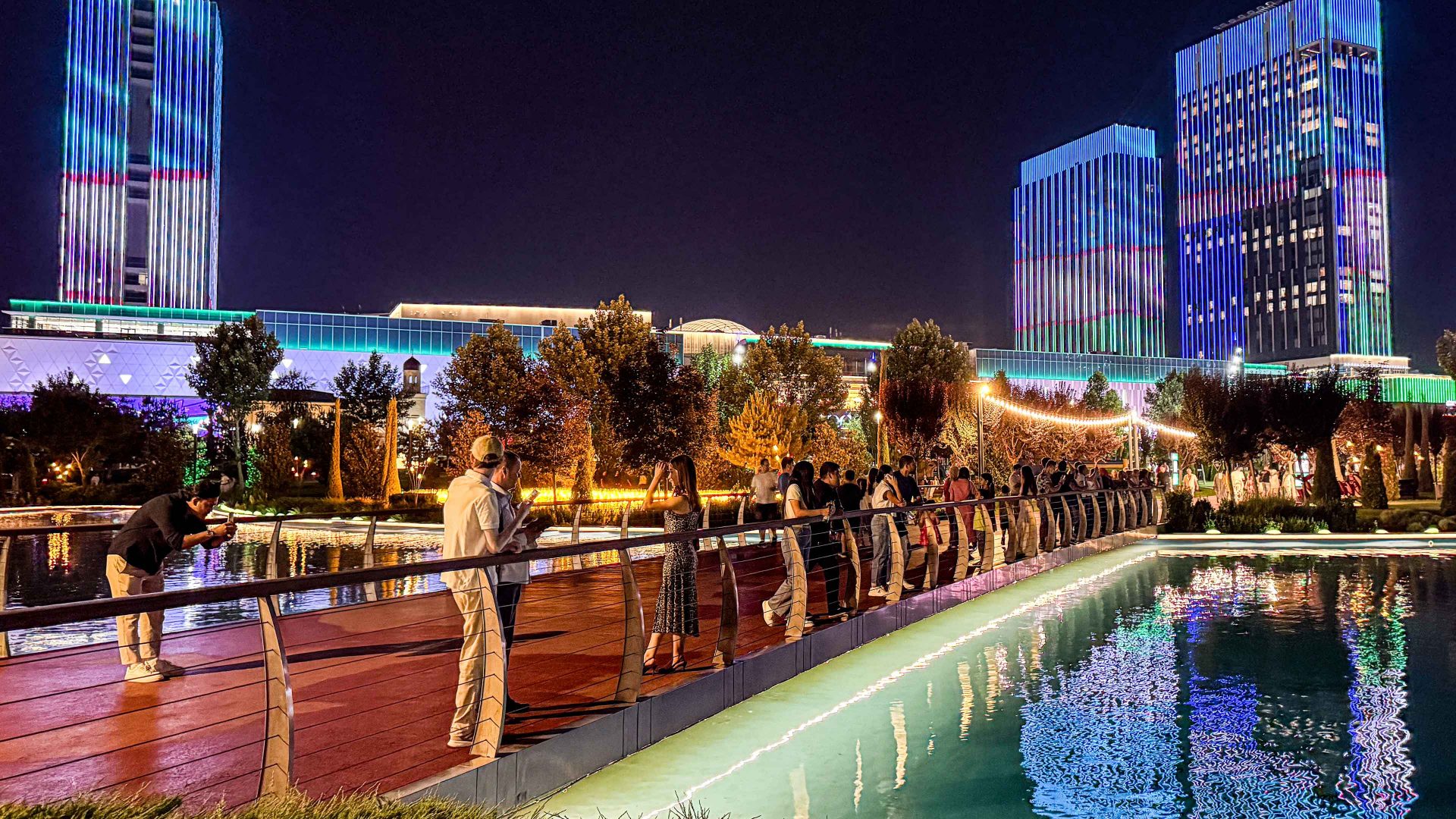
The cliche is that Tashkent is where “east meets west”, which people often say about Mostar in Bosnia or my hometown of Istanbul. But here in Tashkent, on a single afternoon, you can visit a 16th-century mosque that houses the oldest written Qur’an in the world, walk past Soviet-era apartment blocks, and end up in a modern city centre filled with glass towers, LED screens, and construction sites.
Metro stations in Tashkent are unlike anything I have seen. Each station is built around a distinct theme, from the Silk Road to the friendship between nations. None of them are remotely alike. Perhaps the most beautiful is the “Cosmonauts” station, its platform decorated with gorgeous blue murals of space-related figures, including Icarus, Galileo, Yuri Gagarin, and the first woman in space, Valentina Tereshkova.
When I ask locals what they think about Russia, the answers are often cautious. People were genuinely scared when Russia invaded Ukraine and worry about the spread of instability. Many Uzbeks work in Russia, and the economic ties remain deep, but it is clear that attitudes have shifted in recent years.
Suggested Reading
In blackout Kyiv, Putin’s new weapon is the cold
“Perhaps we need other countries to get close to, instead of a bully,” a university student told me. He said his original plan was to study in Moscow, but he changed his mind after 2022. His relatives in the capital warned him that his Asian features would not always be welcomed.
President Shavkat Mirziyoyev took office in 2016, and he has opened up the country. Until recently, western foreigners were rare. Now, there are English-speaking clinics, international schools, and real-estate agencies advertising directly to newcomers. Samarkand and Bukhara now receive millions of foreign visitors a year.
It’s not only tourists who are coming here. Recently, the streets of central Tashkent were full of Finnish people and Uzbeks for a visit by Finland’s president, and the EU supports Uzbekistan’s bid to join the World Trade Organization. And yet at the same time, the government emphasises neutrality on the war in Ukraine.
Living in Tashkent, these geopolitical shifts don’t feel abstract – they show up in conversations, in infrastructure projects, and even in payment systems like the suspension of Russia’s Mir cards, because of sanction risks. Central Asia is once again becoming a bridge between east and west.
The next few years are likely to be some of the most significant in the region’s recent history. Here in Tashkent, you can feel the momentum building.
Volkan Isbasaran is a Turkish journalist and political analyst based in Tashkent