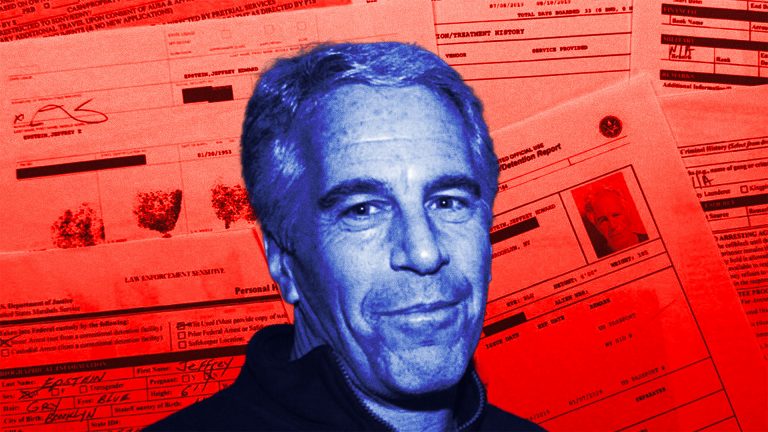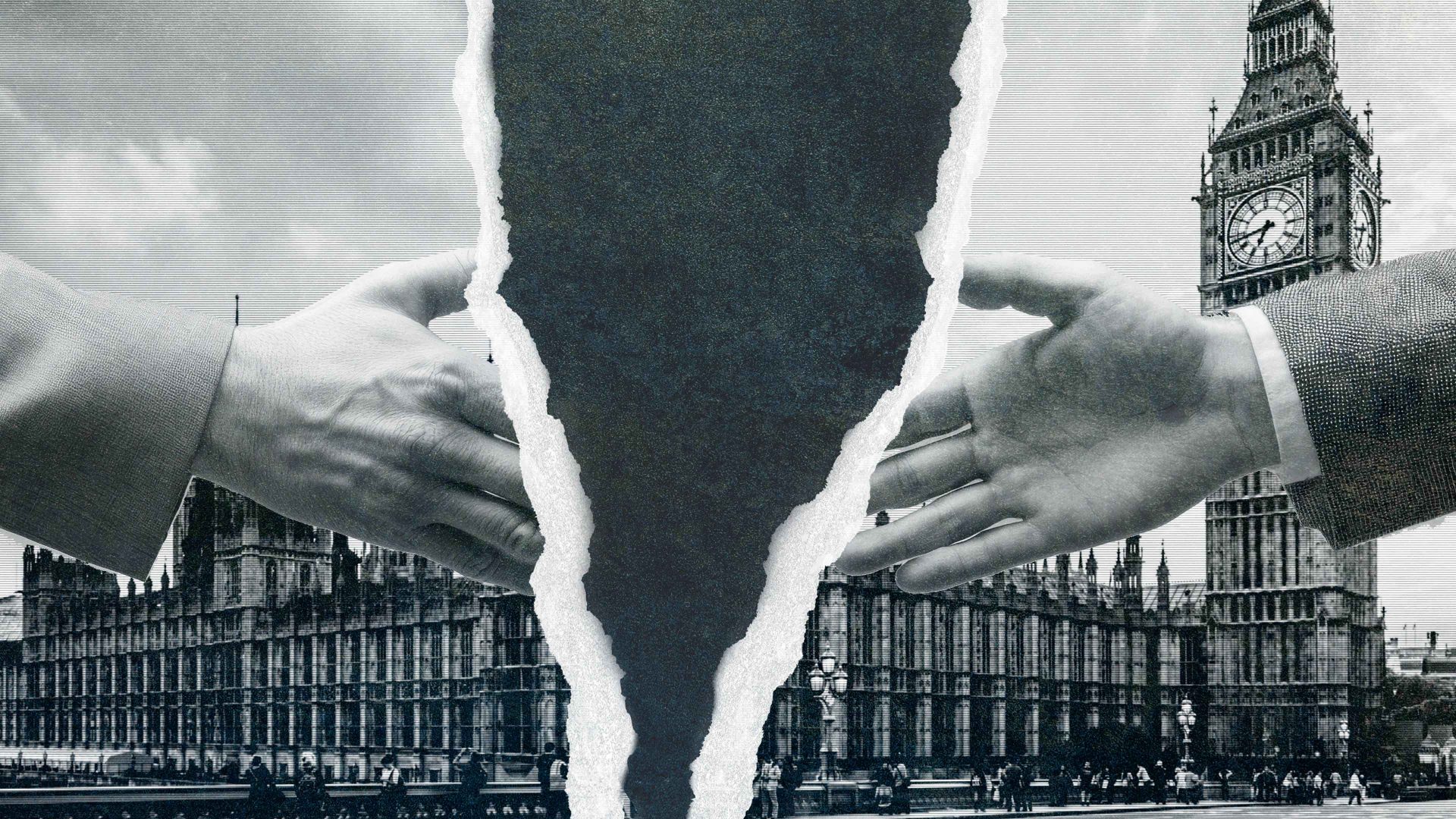
In the orgy of self-flagellation and recrimination which has followed the Epstein-Mandelson-Andrew exposures I have a simple practical question: what, as an ex-politician (and Peter Mandelson’s ministerial successor), do I tell today’s students about this excruciating episode and its wider significance?
What is Trust and what is left of it? Like many others, I have a store of anecdotes, travellers’ tales and punditry.
Honourable and thoughtful ex-politicians like Gordon Brown and Theresa May have proposed sensible, practical institutional reforms. We all know that the scandal feeds the ‘Broken Britain’ narrative. But what do we really know about the public’s response to the erosion of trust in politicians?
I like numbers. And, fortunately, there is a data base which helps our understanding with some predictable conclusions and others that are wildly counter-intuitive.
The Edelman Trust indicators attempt to measure trust and quantify it, helping to make comparisons between countries. No doubt it is possible to pick methodological holes in attempts to measure such an elusive concept as trust but 26 years of measurement and respectable samples of over 1,200 in 28 countries suggests seriousness.
This year’s survey is, on one level, unsurprising. Even before the Mandelson scandal, only 36% of Britons trusted government to do the right thing and only 43% had a wider trust of national institutions. The USA, Germany and Japan were in a similar place with France having the wooden spoon for trust in government (30%) – no surprise, there – and Japan for wider institutional trust.
‘Developed’ Western democracies did poorly in general though Australia, Canada, the Netherlands and Sweden were better: all countries which have either kept ugly populism at bay or managed it.
The shock comes from finding where trust in government and institutions is strongest. Top of the class are China and the Gulf autocracies (Saudi and the UAE). Cynics might suggest that the respondents are ‘brainwashed’ or too terrified to tell the truth; though great care is taken to protect anonymity and remove bias.
Suggested Reading
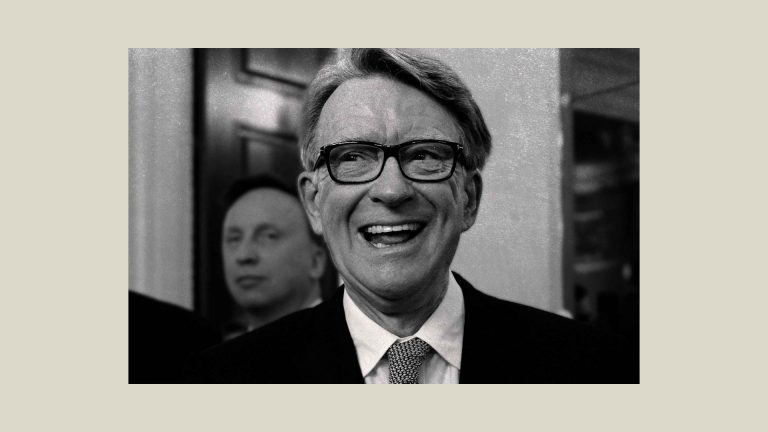
Mandelson in hiding: A ‘New Yorker’ profile
The other ‘most trusted’ include seemingly chaotic and corrupt India – which has extraordinary levels of trust – Indonesia and Nigeria. I confess that I struggled to get my head around the idea that almost twice the proportion of Nigerians trust their government ‘to do the right thing’ as do Britons and about the same as do Swedes.
Why? Several explanations can be explored through the data. One factor which comes through is a strong correlation between trust and the belief that ‘the next generation will be better off’. Trusted governments and institutions occur in high growth economies where there is real experience of improvement. And that conclusion is reinforced by Chinese data which suggests a sharp fall in trust over the last year or so as the economy has markedly slowed with youth unemployment becoming a problem.
The link between economic hope and political trust is further underlined by looking at a sub-sample of low-income earners where Indians and Chinese top the trust league table. A popular Indian book at present is Manu Joseph’s Why The Poor Don’t Kill Us; the answer appears to be that the poorest of the poor have a lot of hope and very little hate. (The apparent anomaly of slow-growing Nigeria also demonstrating trust could simply be that many people feel that government could not possibly get any worse).


For those of us who value the freedoms of democracy there is a somewhat depressing conclusion based on economic determinism: that trust has little to do with the ethics and competence of politicians and more to do with the economic growth rate. Yet the data on governance and trust is even more alarming than the economic data for Western countries which pride themselves on the strength of democracy. Political trust is highest in countries which we would normally dismiss as having poor or autocratic governance.
One metric is the percentage of people who consider themselves to be exposed to contrasting political views. China tops the list with 60% with, more predictably, democratic India and Nigeria. The Chinese experience is not a complete surprise to those of us who dabble in Chinese social media and talk to Chinese students.
We hear a rich diversity of views and great intellectual curiosity (albeit expressed within filters approved by the Communist Party) and see evidence of widespread civic protests (albeit not directed at the Party and its leadership). It is nonetheless shocking that in the ‘echo chambers’ we inhabit in developed democracies including the UK, less than 30% of us listen to contrasting political views.
I have no doubt that the Epstein scandal will drive trust in government and wider civic institutions to even lower levels. And I am equally sure that the many people of goodwill in public life will seek to improve discredited systems.
But reform of the system may prove to be in vain unless we can persuade young people in particular that their lives will materially improve, and that democracy is not just about institutions and processes but about shared engagement with the diverse views of fellow-citizens.
Vince Cable is a former leader of the Liberal Democrats and a former secretary of state for business and trade
 Most popular
Mandelson in hiding: A ‘New Yorker’ profile

Epstein, Robert Maxwell and the Kremlin
The truth about the Epstein files’ Brexit connection


McSweeney’s exit leaves the PM hanging by a thread