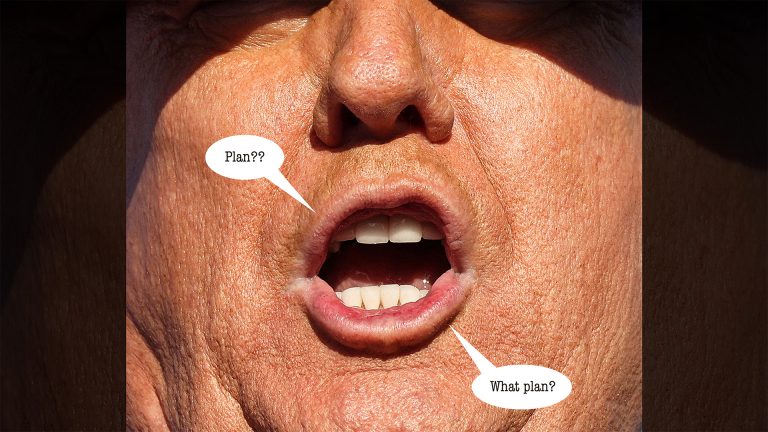
Never had the Danes seen their prime minister like this: 47-year-old Mette Frederiksen was visibly shaken. During the Covid pandemic, she had steered her country safely through the crisis with considerable managerial ruthlessness, but now she had just spoken on the phone with president-elect Donald Trump.
At a doorstep press encounter, she described the call as “straightforward” and “serious”.
Donald Trump meant what he said: he wanted Greenland.
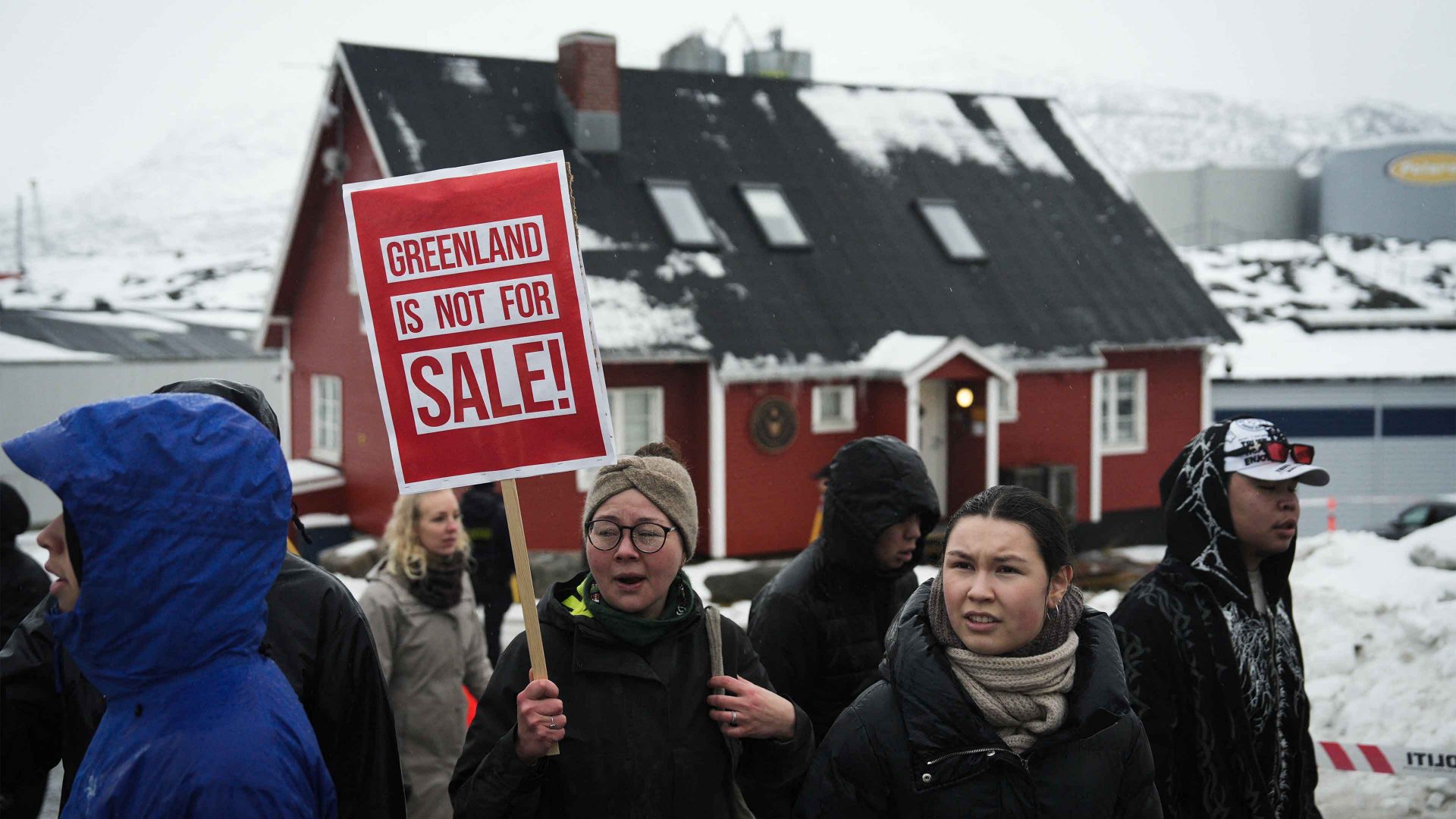
Exactly one year has passed, and Trump has given the Danes several shocks since then. But today, the mood is less marked by confusion than it was in January 2025, and more by resolute determination: no, Greenland is not for sale; the future of Greenland will be determined by its people.
That is what you will hear across Danish media and online debate, from government officials as well as politicians.
One of them is Rasmus Jarlov, a 48-year-old no-nonsense businessman and right-wing law-and-order politician. He is the chairman of the Danish parliament’s defense committee and Greenland spokesman for his Conservative party. But lately, he has transformed into a relentless solo campaigner, fighting for the Kingdom on all channels, including English-language posts on X and interviews on the BBC, Sky News and CNN.
It may be a stretch to say he epitomises the public mood, but Jarlov does have a following. With furious energy, he keeps hammering the message: Greenland has been Danish since the year 1380. The US has no legal claim. Certain American politicians should be denied entry to the Kingdom.
And, adds Jarlov, Denmark and other European countries should deploy troops to Greenland. As radical as this may sound, it also enjoys support from the progressive left.
“You cannot just land a helicopter in Nuuk and plant the American flag. We must make it unmistakably clear that this would trigger an armed conflict,” says Pelle Dragsted, leader of the hard-left party in parliament, the Unity List.
Both see military deployments not as a preparation for war with the US but as a way of increasing the political costs for the US, should Trump attempt to take Greenland by force.
Now, the mood is changing. The escalating verbal attacks from the US are largely ignored, but the attitude of Greenland is disturbing the Danes. In Nuuk, government and parliamentarians are emphasising their desire for independence, a goal seen as increasingly unrealistic in Denmark.
“The Greenlandic political elite has hardly realised the danger,” said Jarl Cordua, a prominent political columnist.
Suggested Reading
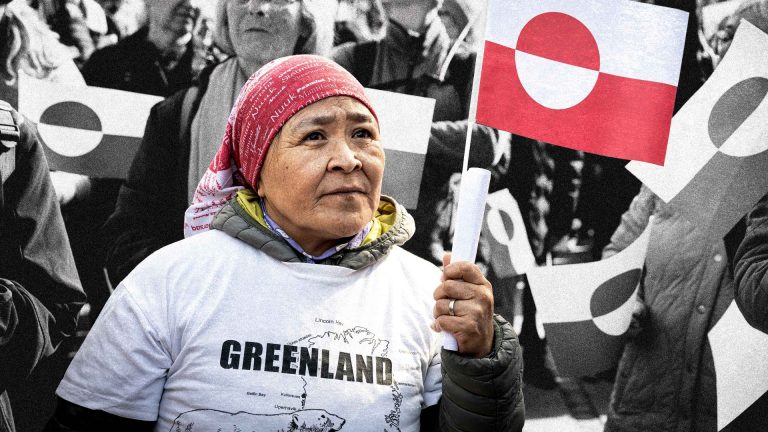
The fear and dread of living in Greenland
Writing in Berlingske, the liberal-conservative newspaper, Cordua concluded that Greenland does not understand that independence is “off the table”.
At the same time, signals are coming from some people in Greenland that they would be willing to discuss an association agreement with the US. But why fight for Greenland if the island is going to make a deal with the US anyway?
Denmark used to see itself as the US’s best friend. In 1997, president Clinton received a jubilant welcome in downtown Copenhagen.
Since 1912, Denmark has had the largest Fourth of July celebrations outside the US, when thousands of Danes meet at a festival site among the heather-covered hills of Rebild in central Jutland to celebrate the Transatlantic friendship.
The privately organised festival is always joined by politicians and government ministers. Queen Margrethe often participated, until her abdication in 2024. But this year, many people will stay away.
In Afghanistan and Iraq, Danish soldiers fought alongside the US and in proportion to our population size we suffered losses comparable to those of the US. When Vance said Denmark was “not a good ally” – we didn’t like that.
The defense minister, Troels Lund Poulsen, posted a picture on X, taken at a funeral ceremony for a fallen Danish soldier, the coffin draped in the Dannebrog, our 800-year-old flag. “Our close ally asked for help,” he wrote, “and Denmark was ready to respond. We took responsibility, we took action, and we suffered losses.”
The worst thing is to lose a friend you once trusted
 Most popular
‘Operation Epic Fury – as it happened’
Is Star Wars dead?

Morrissey returns.. and heaven knows he’s mythical now


Iran War: Trump has now sealed his own fate