When the citizens of Edenbridge in Kent last month burned an 11-metre-high effigy of Keir Starmer, with a sign on its chest proclaiming he was a “Farmer Harmer”, the BBC reported this as part of a tradition of “poking fun at infamous celebrities”.
The local fireworks committee said it helped to raise money for charities and were pleased to discover the prime minister had turned out for the town’s football team during his schooldays. They also seem pretty even-handed in who they target, having previously included effigies of Donald Trump, Boris Johnson, and Liz Truss, as well as the Gallagher brothers.
Organisers, of course, cannot really be blamed for videos of their family-friendly event being accompanied by lots of Facebook comments from people wishing it had been the real Starmer they had set alight.
Even when there is just a standard “Guy” on top of the bonfire, however, it’s always been a bit weird that we take our children to watch a 400-year-old ritual that celebrates the torture and execution of Catholic insurrectionists who tried to blow up Parliament.
And, no matter how sweet those toffee apples, at least some of the bitter hatred that stained previous centuries is once again taking hold in Britain. Visitors to Westminster have to pass through ever-more complex gates and security screening designed to protect MPs. The threat to democracy goes beyond terrorism or a latterday Guido Fawkes, because there is a destructive frenzy hovering over our politics that makes everything seem simultaneously grubby and precarious.
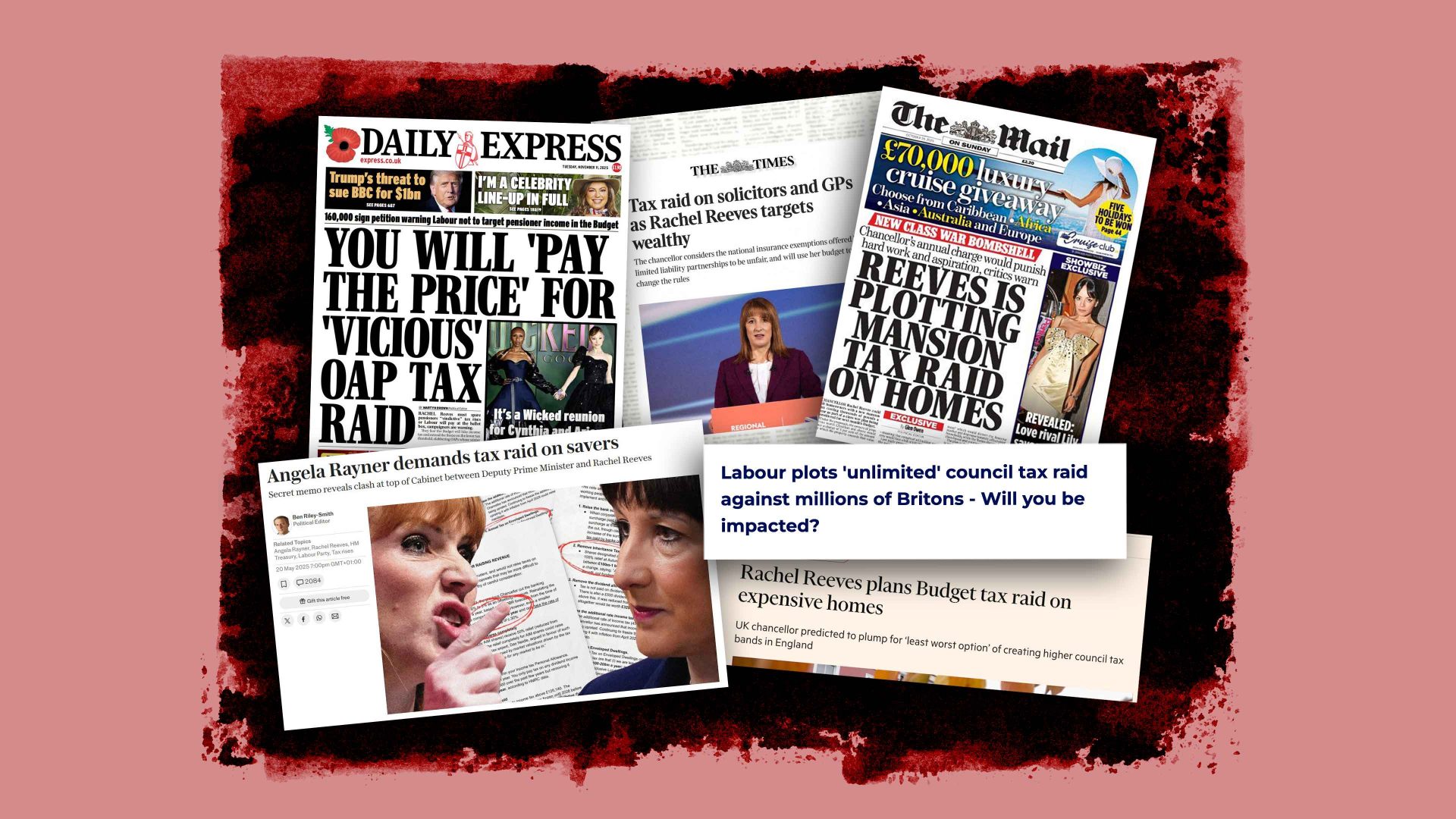
A casual flick through the newspapers last weekend reveals a Mail columnist whose every word is coated in foam-flecked rage. He called Rachel Reeves a “liar” eight times, before declaring the real question to be decided after her budget is “whether the chancellor will have to resign, or if she’s heading to jail”. That pales in comparison to what you find below the line in the comments section, where one reader opines that “jail is not enough” for her. It gets madder still in the sewers of social media, where mention of Starmer is followed by smears involving “Jimmy Savile”, “paedos” and “grooming gangs”.
In the past few weeks, opinion polls have shown that Starmer and Reeves are the most unpopular prime minister and chancellor ever. The government may have disappointed voters in lots of ways – but it really hasn’t wrecked the economy, been defined by corruption and scandal, or made Britain the laughing stock of the world.
And yet, according to some surveys at least, the prime minister is now less popular than Theresa May, Johnson, Truss and Rishi Sunak, each of whom in turn broke the previous record for low approval ratings during their time in Downing Street. Even Nigel Farage, the leader of the Reform party currently favourite to win the next election, is loathed by well over half the voting public.
At least one senior figure in No 10 wonders aloud if Britain is becoming ungovernable, with whoever is in power being hated by the public, adding: “We need to realise how that has huge implications for our country and democracy.”
Suggested Reading

Inside Starmer’s shambles
Pollsters point out that discontent has been bubbling up ever since the financial crash of 2008 first triggered a crisis in living standards and sent optimism about the future plummeting towards austerity and Brexit. Luke Tryl of More in Common says: “Before the last election there was a lot of anger, but they had this safety valve of being able to vote the Tories out. Now people have discovered that things don’t get better very fast, we’ve reached boiling point and there’s nowhere for the rage to go. It feels like the whole thing is ready to explode.”
Peter Kellner, the former president of YouGov, points out that Starmer “started out in a worse position” than most prime ministers who won an election because he was never that popular in the first place, while a fall in support since has been exaggerated “by the advent of five – or even six – party politics in which votes splinter off in every direction”.
None of this should excuse the government for multiple failings. The mixed messages and leaks in the build-up to the budget poured chaos over what should have been a straightforward plan to assuage both markets and the Labour Party amid dire fiscal circumstances.
The government has made more than 3,000 separate announcements since the election, but could you name even 1% of them? I couldn’t. Nor could I really find a thread of consistency to link more than a few of them together into a consistent story about what they want to do. Just as it was ridiculous earlier this year to pretend they had always planned to reverse cuts in winter fuel payments for most pensioners, the ministerial pride in scrapping the two-child benefit cap now is more than a little tarnished by them earlier picking fights over why the party needed a “teachable moment” about the “tough choices” of them not doing so.
Too often, they get caught up in the cycle of polling, punditry and “inside Westminster” gossip. The biggest problem with briefing journalists about a potential leadership challenge to Starmer earlier this month wasn’t so much that someone attacked Wes Streeting than the signal it sent to voters that Labour was more interested in talking about internal machinations than helping struggling families. Reports from focus groups have, apparently, been saying that “this government appears like the last lot”.
Step back, however, and you can see the outline of an argument Labour could take to voters in 2029, when they hope public services will have improved and living standards are showing signs of, well, life. The message will be that Reform and the Tories will wreck all this good work with austerity, while parties on the left offer fiscal incontinence that would lead to a market crash.
Starmer is trying to get back on to solid ground, saying this is a long-haul journey and asking the public to be “grown-up” about trade-offs. “We must become again a serious people, with a serious government, capable together of doing difficult things to regain control of our future,” he wrote in the Guardian on Monday.
All of which takes us back to those effigies on bonfire night. The town of Lewes in Sussex also had one of the prime minister to burn last month. But Starmer has a history with this event, having been the lawyer who advised the Crown Prosecution Service back in 2003 not to take one of the local bonfire committees to court for racial hatred after setting alight a model depicting a travellers’ caravan, complete with a number plate that read “P1KEY”. He thought the case wouldn’t stick because organisers had a right to free speech.
Starmer knows that those who build models of him to set on fire are also the doughty community types who run raffles, organise football matches and check on neighbours – the kind of people he went out of his way to praise in his party conference speech as proof that Britain isn’t broken.
The prime minister is by no means the perfect politician, but his feel for moderate Middle England is sometimes underestimated and he has shown a capacity to keep calm while others lose their heads.
Right now, even as the latest rows smoulder away, he is still better placed than anyone else to take some of the heat out of our politics.