Serbians are, for the most part, extremely hospitable, outgoing, and incredibly funny. It’s a shame they’re often characterised differently. There is a shared sense of humour with Britain, which is why Only Fools and Horses has cult status here. The media landscape, however, is no laughing matter.
More than a year has passed since the deadly collapse of the Novi Sad train station canopy in Serbia’s second city, and the battle between the nation’s students and the government of Aleksandar Vučić, along with his Serbian Progressive Party (SNS), shows no sign of abating. Over the past 13 months, hundreds of thousands have been on the streets, education has been upended, and the state’s institutions have been targeted. After the local elections in late November, students protested outside the headquarters of the national broadcaster, RTS.
On that occasion, masked hooligans attacked the students, and riot police cleared demonstrators from outside SNS offices. The national broadcaster itself chose not to cover these events, focusing instead on the electoral victories recorded on the night for Vučić’s party.
It’s a familiar pattern. RTS and other pro-government broadcasters have either ignored student protests, denigrated their demands, or presented them as foreign threats to the country.
I have worked with the Independent Journalists’ Association of Serbia, and so I came to learn the way it goes. The media is owned and operated by SNS allies, simultaneously portraying Vučić as a heroic defender of the Serb people, denigrating his opponents as enemies of the state, and using nationalist tropes to conjure common enemies.
To compound matters, remaining independent media are subject to intense regulatory scrutiny, threats of legal action and physical assault. The judicial authorities and police fail to investigate. This year Serbia recorded the most violations of media freedom in Europe.
This suffocating grip on the media, along with a host of other authoritarian moves, has neutered official opposition. This is in spite of worsening living standards, growing violence and endemic corruption that, as seen in Novi Sad, has deadly consequences. That has spurred an apathetic population into continuous revolt, led by a savvy generation that came of age under Vučić and has an instinctive understanding of how he operates.
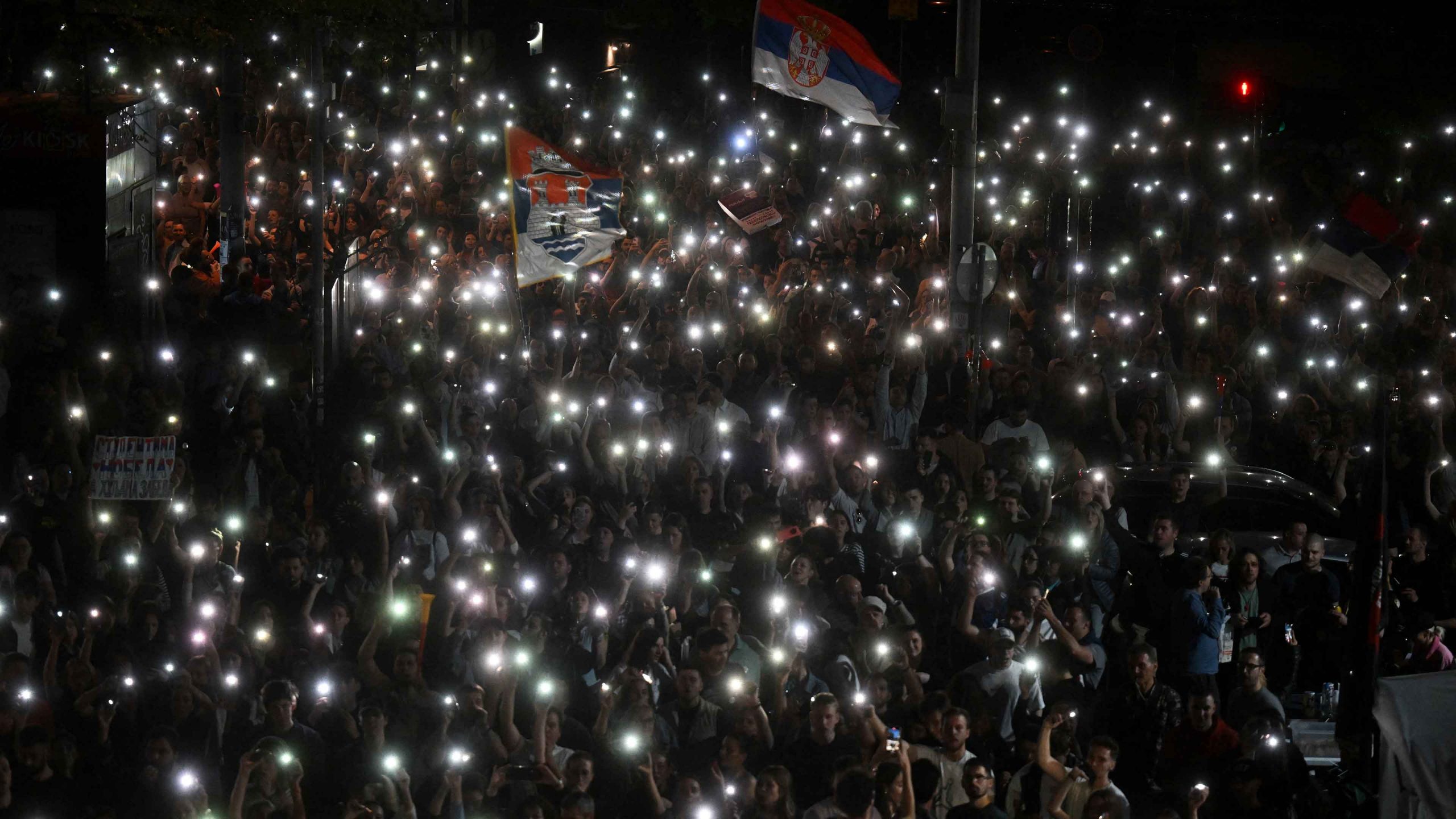
The protests are remarkable not only for their longevity, and the depth of support they represent. More than 300,000 took over Belgrade in March – the largest protest in the country’s history. Localised encampments in smaller cities are never-ending.
Suggested Reading
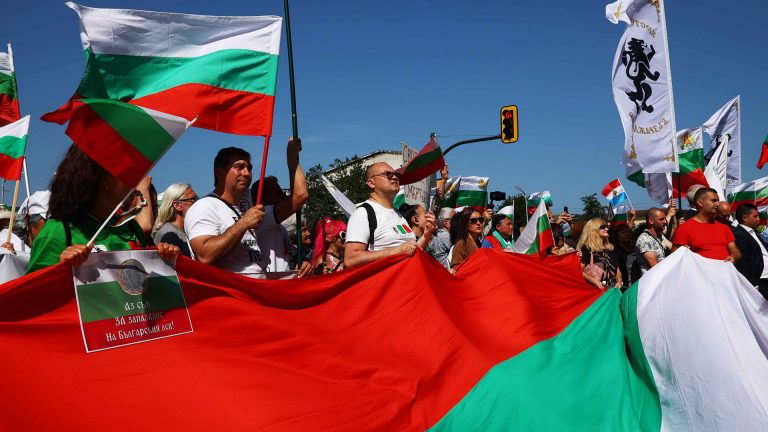
European integration, Balkan style
Because of this hostile media climate, students are incredibly careful about their associations. They reject links to any political party, reject outside finance and instead rely on donations from the public. In contrast to the “colour revolutions” of Georgia and Ukraine in 2003 and 2004 respectively, where post-communist leaderships were outed by crowds waving US, Nato, and EU flags, the only flags on display are those of Serbia.
And anyway, the protesters cannot count on much outside support. European and American partners that once spoke about democratisation in Serbia are now silent. In 2025, stability is far more valued than the promotion of liberal values. Given the government’s paranoia about foreign threats, this lack of outside intervention may be a blessing in disguise for protesters.
The government’s strategy for dealing with protesters has been to target their institutions, using a pliant media to demonise them while idolising Vučić. But seeing this authoritarian playbook fail to produce results has led Vučić towards increasingly desperate, and violent measures.
Civil society groups have noted a shift; a statement signed by the national journalists’ association notes the “trend has shifted from passive non-action to the active use of force against journalists” by police. Over the summer, larger protests were met by hired gangs, organised crime units, and football hooligans with unofficial ties to the SNS.
It’s not the first time Serbia has been rocked by anti-government protests. But this time the movement is growing, just like in 2000 when Slobodan Milošević, who also initially dabbled with violence to see off his domestic opponents, was forced from office by a groundswell of nationwide action.
The hope is, as they say here, quoting a well-known TV show: “This time next year we’ll be a democracy.”
Thomas Law is a freelance writer and MA candidate at the University of Toronto’s Munk School