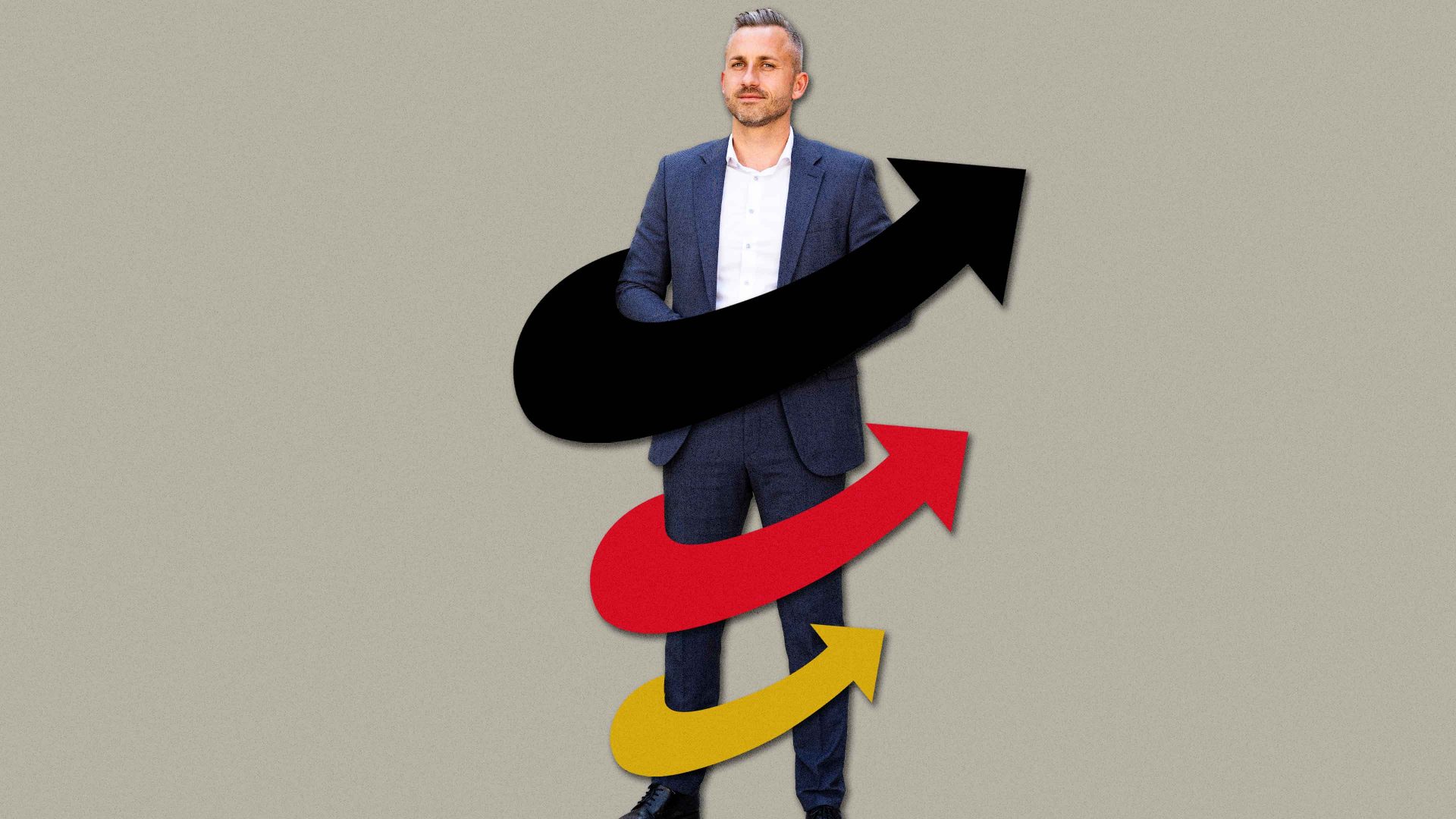
Last week, the Administrative Court in Cologne ruled in an interim judgment that Germany’s domestic intelligence service, the Bundesverfassungsschutz, may not classify the AfD as a “confirmed right wing extremist” organisation for the time being.
In May 2025, the AfD had been upgraded from a “suspected case” to a “confirmed right wing extremist endeavour”.
Now, based on public AfD statements compiled by the intelligence service (confidential findings may yet surface) the court reasoned that anti-constitutional tendencies do exist within AfD. It cited positions that “compel the conclusion that even German nationals of the Islamic faith are not regarded as equal members of society”.
Yet the judges added a crucial caveat: “Following the examination conducted in the expedited proceedings, it cannot at present be established that the party as a whole is dominated, in its overall character, by the positions discussed above.” In other words: not so fast.
“A good day for our democracy,” AfD co-chair Tino Chrupalla said, adding that the political opposition could not be “eliminated”. His counterpart, Alice Weidel, hailed the decision as a “stop to the party-ban fanatics”.
The Bundesverfassungsschutz still insists that the hundreds of quotes by more than 350 party officials – invoking “remigration”, “passport Germans” or migrants as an “invasive species” – are not fringe outbursts but defining features. The final word is still to come.
AfD celebrated this first-round victory nonetheless. But it is overshadowed by the latest scandal, a classic: nepotism.
For a striking number of AfD officials, it seems, it’s not fatherland first, but family – specifically, securing taxpayer-funded jobs for relatives.
Employing your kin is hardly unprecedented in parliamentary offices. Well into this century it was common practice, especially in Bavaria among the CSU. But eventually, political hygiene curbed the custom.
The AfD has revived it – and their slogan “Our money for our people” acquires a wholly new resonance. The same goes for Saxony-Anhalt, where the AfD leads ahead of September’s elections, and promises to support “self-help within the family”. Some MPs have taken this rather literally.
It works like this: AfD politicians hire the relatives of other AfD politicians. Strictly speaking, this merry-go-round of mutual employment isn’t illegal, because no direct contractual relationship exists between the family members. Technically, they are one step removed.
So when the revelations emerged, Saxony-Anhalt’s frontrunner, Ulrich Siegmund, was unfazed. “You can rely on them,” he said. “So what if they happen to be related to someone?”
Suggested Reading
The Gaza war comes to the Berlin film festival
Or, indeed, related to him. Siegmund’s father works for a Bundestag member. Elsewhere, the brother-in-law and three siblings of a state-level official are on another MP’s payroll. That MP’s daughter, in turn, works for the AfD parliamentary group in Magdeburg.
The staff list of the AfD “family office” grows longer by the week. Political scientists speak of a “systematic pattern” of familial recruitment.
AfD founder and honorary chair Alexander Gauland has called the practice unacceptable. In an interview with Focus magazine he argues, however, that the party’s social ostracism makes it difficult to recruit loyal staff, and AfD members face obstacles when pursuing careers outside politics.
That explanation sits uneasily with another fact: on average, AfD MPs employ significantly more staffers than other MPs – at lower salaries, to make it work budgetwise. This is read less as administrative diligence than as an effort to buy loyalty within the party. What’s more, reports suggest that MPs have gently been coerced by party execs to employ their cronies.
The double standard is hard to miss. When former Green economy minister Robert Habeck rightly faced criticism for fostering a network of his friends and their relatives, the AfD decried “clan structures”. In its own case, as co-chair Chrupalla suggests, it is merely a “Geschmäckle”, an unfortunate whiff.
Yet the AfD’s 2025 campaign promise was clear: “End the parties’ self-enrichment”. The contrast should undercut AfD’s carefully polished “us versus the elites” narrative and the claim that everyone but them treats the state like an all-you-can-eat-buffet.
Ironically, the family job exchange surfaced through internal criticism and ongoing power struggles within. For the AfD, this is the most dangerous development in an election year.