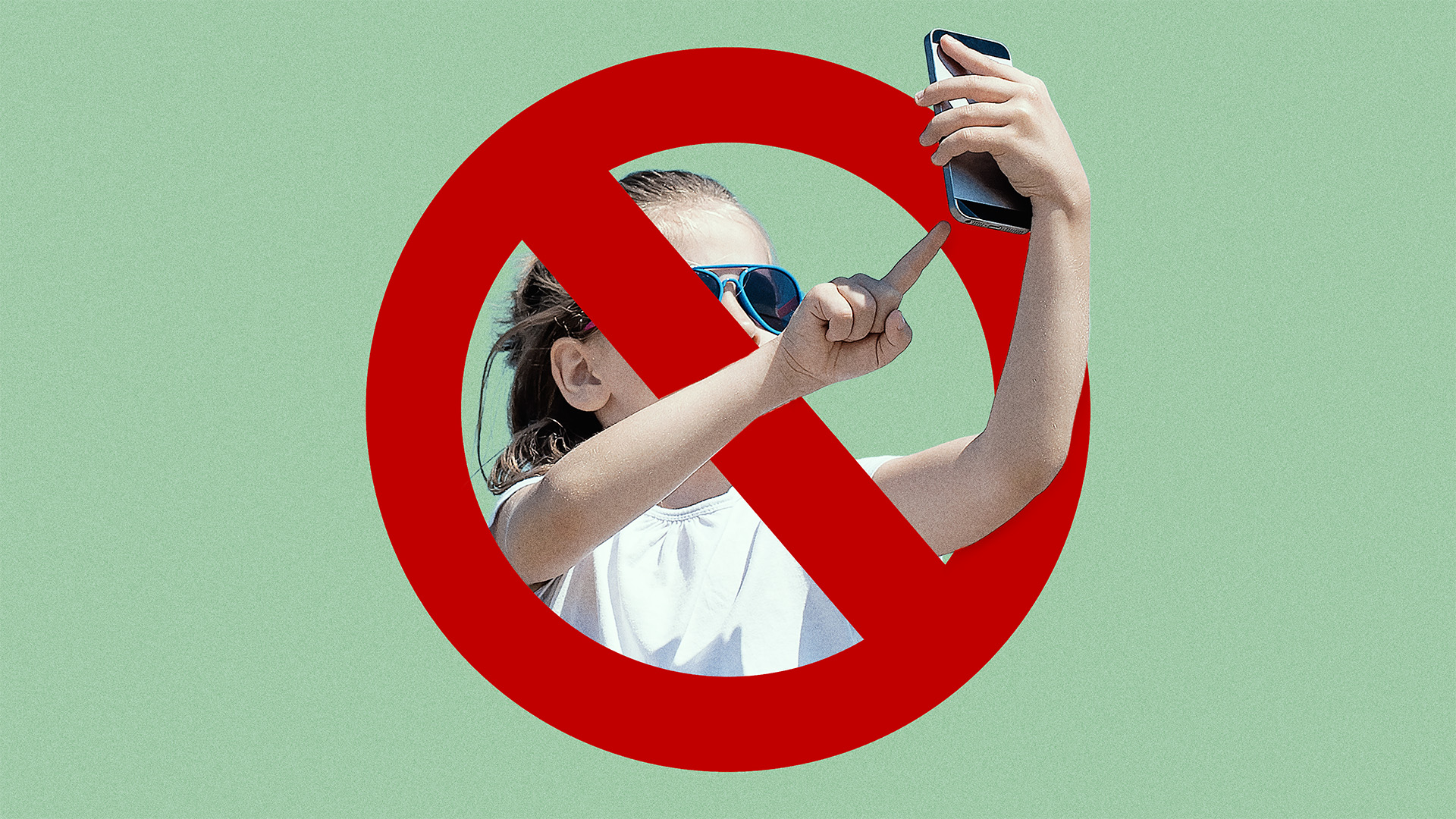
Wouldn’t it be nicer if the whole thing was more straightforward? A year ago, the Australian government announced that it would be banning social media for under-16s. The decision was a controversial one, and certainly not popular with everyone down under, though of course it had its supporters.
This week, the policy became a reality, with platforms including Instagram, Facebook, X, SnapChat, TikTok, Reddit and YouTube now being made to take reasonable steps to ensure that they have booted out all users younger than 16. Still, the country seems split, with parents, teens and onlookers finding themselves on both sides of the argument.
For some of them, the ban is a no-brainer, and will ensure that teenagers can grow up at their own pace, without stumbling upon adult content from too young an age or risking radicalisation from malignant algorithms. Though they will have their friends and foes at school, home will be able to remain a haven, and a place where, for example, online bullying cannot reach them.
For others, the change will merely mean that already anxious children will find themselves more isolated than ever, and left without the communities they once had, or could one day build. Sadly, this will count double for more vulnerable kids, including LGBT ones in households where they may not feel safe coming out.
Who has it right? Who has it wrong? Already, the entire world has started watching, and is eager to find out what happens. Though the Australian government hasn’t made it clear what victory or failure would look like, their audience is already waiting with baited breath. A number of countries around the world have been toying with similar policies, but why not wait and see what happens when someone else does it first?
Again: it just isn’t straightforward. What would success even look like? Teenagers were quite famously prone to angst and depression long before the internet even became something you could have at home. They’ve always had silly political views, because that’s what happens when you’re young. They’ve always done stupid things, for similar reasons. How to tell for certain that a 15-year-old is better off than they would have been otherwise?
This feels like an especially tough question to ask right now. Today’s teens had to live through a global pandemic at an age when life presumably already felt quite overwhelming. Many of them worry about the climate emergency, as members of the generation who will be left in charge of the planet soon enough. You could hardly argue that, social media aside, they’re having an amazing time. Maybe staying off YouTube will help them cope better; maybe it won’t.
Crucially, they will also keep existing in a world shaped by grown-ups who do still have access to social media, and absolutely let their views and behaviours get influenced by it. We’re all products of our environments, and there are many, many adults out there whose brains have been poisoned by the internet. Many of them are the parents, relatives and teachers of those newly offline children. Again: the ban isn’t just happening in a vacuum.
Suggested Reading

Denmark’s social media ban for kids is a tragedy. But it’s right
This brings us to the last but probably most important point: what will happen to this new generation of Australian teenagers when they finally have access to the internet? Millennials remain (relatively) politically and mentally sound because we got to grow up as the internet did, and gradually add website after website to our daily online experience. Generation Alpha, on the other hand, will go from nothing to everything on their 16th birthday.
Now, you may believe that’s better than nothing, but can you remember how you felt at 16? Few adults can look back on that age and conclude that, back then, they were stable, mature and clever. Can you imagine what would have happened if you’d also received access to all the more addictive parts of the internet all in one day?
The Australian government will presumably now start monitoring its under-16s to find out what the social media ban is doing to them, but chances are that it won’t be enough. Whatever happens to kids in those years is one thing; how it ends up shaping them for the rest of their lives is quite another. The latter would also take much longer to track, for all the obvious reasons.
What this means in practice is that, though the world is watching, we won’t really know the real results of the great Australian experiment for a long, long while. Well, or maybe it’s all pointless: already, the press is reporting that some teens have found ways to evade the ban. Maybe the kids will be alright after all.
 Most popular


US attacks on Iran push the world towards chaos

Yet another Brexit prediction turns to dust

Dear Matt Goodwin, why are you such a bad loser?
The big secret of Small Prophets