
Alfred is three. He can speak in sentences of up to 10 words and loves books, dogs, and pushing the button at crossings. He can use cutlery and put his own coat on if he concentrates. He is even showing an interest in letters and numbers. But despite this progress, Alfred still wears a nappy – and he is not an exception. While the average British child was out of nappies by 28 months in the 1950s, today that figure stands at 42 months – three and a half years old.
For UCL’s Plastic Waste Innovation Hub, this is a big problem. Later training means more nappies and more plastic waste. Their Big Toilet Project is surveying parents to identify the behavioural changes that might lower training ages and reduce the more than 300,000 disposable nappies used globally every minute. Trying to tackle this ecological obscenity seems uncontroversial, but for more than 50 years, potties have been deeply political.
This is undoubtedly a feminist issue. In an age before disposables and automatic washing machines, mothers put their babies on the potty from the first weeks of life as a labour-saving measure. What is now termed “baby-led potty training”, and is often seen as the ultimate in wacky alternative parenting, was simply routine – in the late 1950s, 60% of British mothers were doing this before their baby was one month old.
But a 1962 paper on potty training in an American paediatrics journal changed everything. Dr T Berry Brazelton, later a household name in the US as presenter of the TV show What Every Baby Knows, laid out a revolutionary child-led method. But Brazelton’s warnings that early potty training could result in constipation (“megacolon” is not a term any parent wants to contemplate), urinary incontinence and “fundamental psychologic disturbance” relied on outdated studies, while his own data came from observations of existing patients, not original research.
Still, the “readiness” imperative has reigned ever since, and not starting training until the age of two has become an article of faith throughout the west.
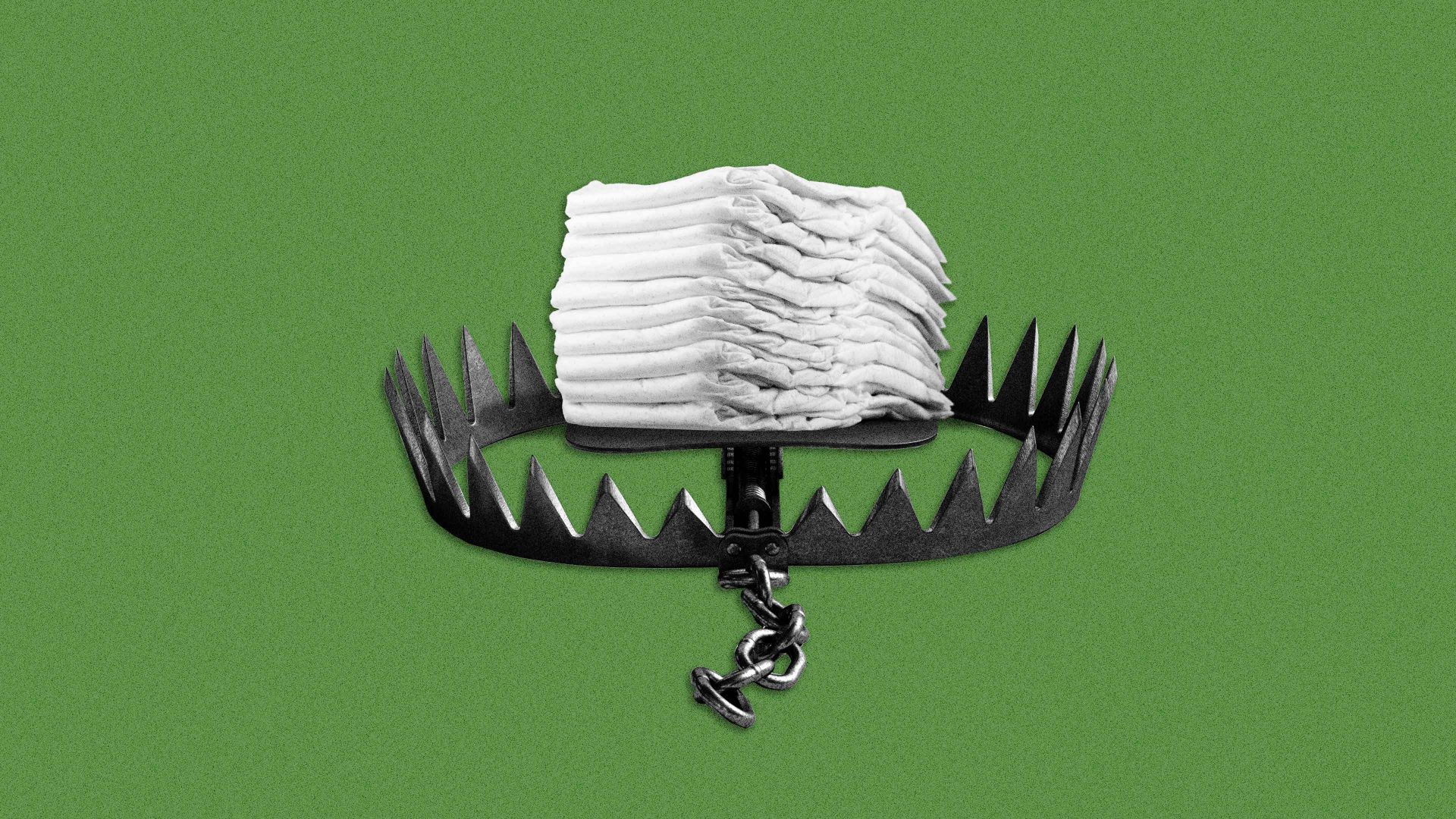
This was no accident. Procter & Gamble had launched Pampers just the year before Brazelton’s seminal paper. Children being in nappies for longer meant bigger profits. In 1996 Brazelton became chairman of the Pampers Parenting Institute. Two years later he was fronting a campaign for the new extra-large Pampers for children weighing over 35lbs (around four years old). In the TV ad he implores parents with an air of avuncular concern, “Don’t rush your toddler into toilet training!”, declaring, as he holds a frankly huge child on his knee, “It’s got to be his achievement, no one else’s”.
Today Pampers’ largest nappy goes up to 41lbs-plus, potentially taking a child into their sixth year. Yet recent research from China, where potty use from birth is a cultural norm, has found that waiting until toddlerhood to train is associated with higher rates of bowel and bladder problems, which are rocketing among children in the west.
Suggested Reading


Denmark’s social media ban for kids is a tragedy. But it’s right
Common sense says late training means not just more expense, but also hundreds more hours at the changing mat, and anyone who has ever met a toddler might realise it is madness to introduce the potty just as children hit their most recalcitrant age. The disposable nappy is undoubtedly the marketing triumph of the 20th century.
“It’s not a grown-up system that puts all the information in front of parents,” Wendy Richards says. Her company offers free advice on reusable alternatives, but her sales of these have halved since 2020. Reasons for this include the rise of Aldi and Lidl’s loss-leader disposables (as little as 3p per nappy) and the increase in energy prices, which makes washing cloth nappies more expensive.
Yet there is hope for loosening the chokehold of the disposable. Over 50 local authorities now offer vouchers for reusable nappies. Richards also says sales are up of pottying products like the bestselling “top hat” potty suitable from birth. This, she says, is linked to school readiness. Last year, the education secretary, Bridget Phillipson, noted that a quarter of children start reception not toilet trained.
But while the phenomenon of school kids in nappies is taken to be a symbol of parental fecklessness, the state militates against parents’ best efforts. Paid work is valued over unpaid caregiving, but under-staffed and under-funded nursery provision fails to properly support potty training.
NHS advice still pushes “readiness”, while disregarding the research evidence, and it is a final irony that Brazelton himself reported that his method led to an average age of training of two and a half – not “late” at all by today’s standards.
Richards says that avoiding disposables for her own children was at first a cost-cutting measure, but later became an urgent moral obligation. “We are only borrowing the planet from the next generation,” she says. Even so, the researchers at UCL will probably make no friends by targeting a product most parents consider essential, and the environmental message no longer seems to have cut through. The focus needs to be on how children’s dignity, health and comfort have been sacrificed on the altar of big profits.
Sophia Deboick is a freelance writer who specialises in music and cultural icons