After a year of inhumanity – in Gaza, Sudan and Ukraine, on American streets and across digital spaces that drip with AI slop and algorithm-stroking racist rage – the return of the very human Taylor Wessing Photo Portrait prize feels not just welcome but necessary. Celebrated here are deep connections between photographers and their subjects, reminding us all that just as things fall apart, we are all still bound together – friends and foes, neighbours and strangers.
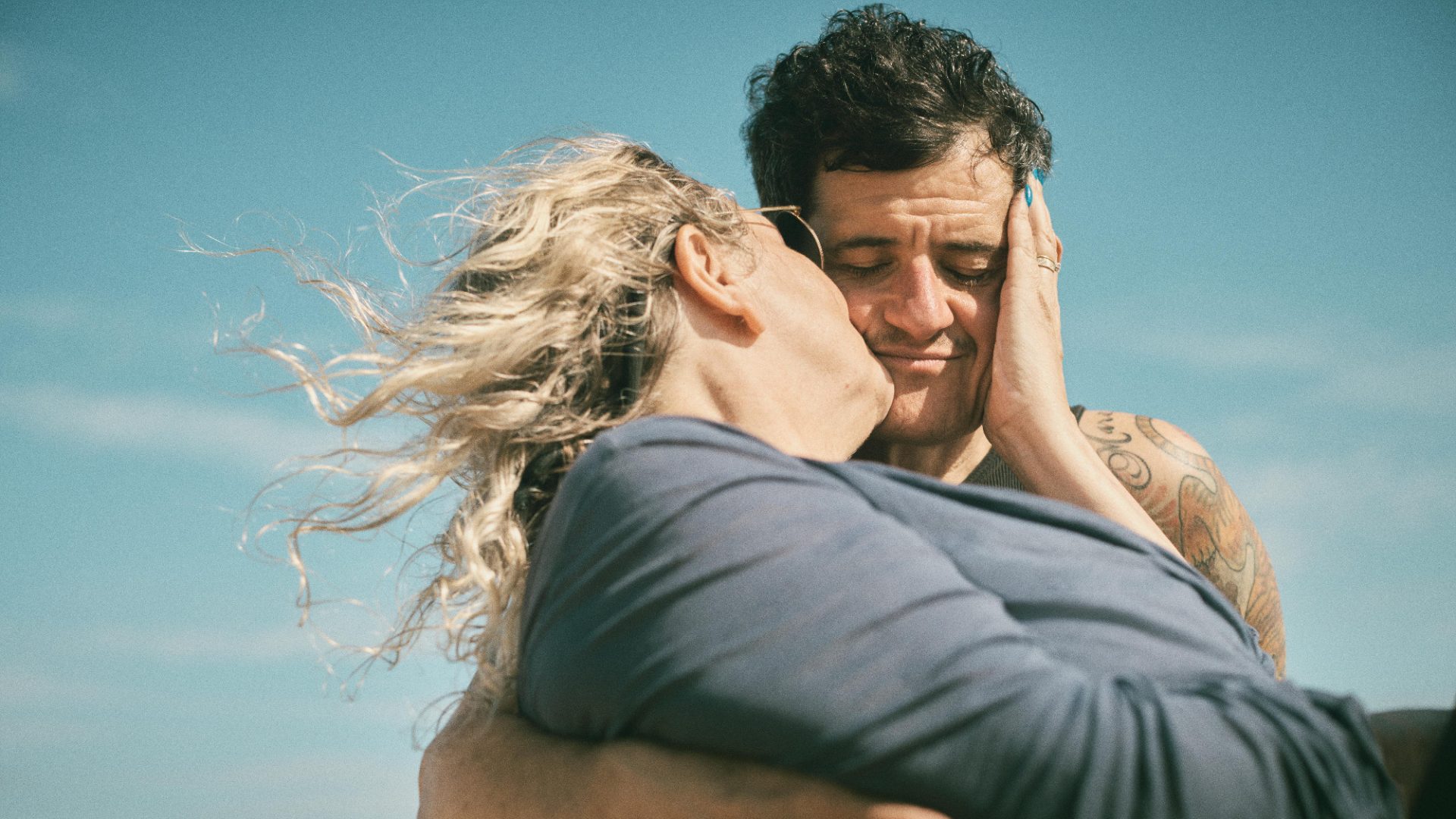
Contact is at the heart of this year’s most striking images; between two male lovers in their 60s whose bodies intersect in Luan Davide Gray’s We Dare to Hug, between schoolmates from the displaced Bajau Laut ethnic group in Jaidi Playing by Byron Mohammad Hamzah, which placed second and third respectively.
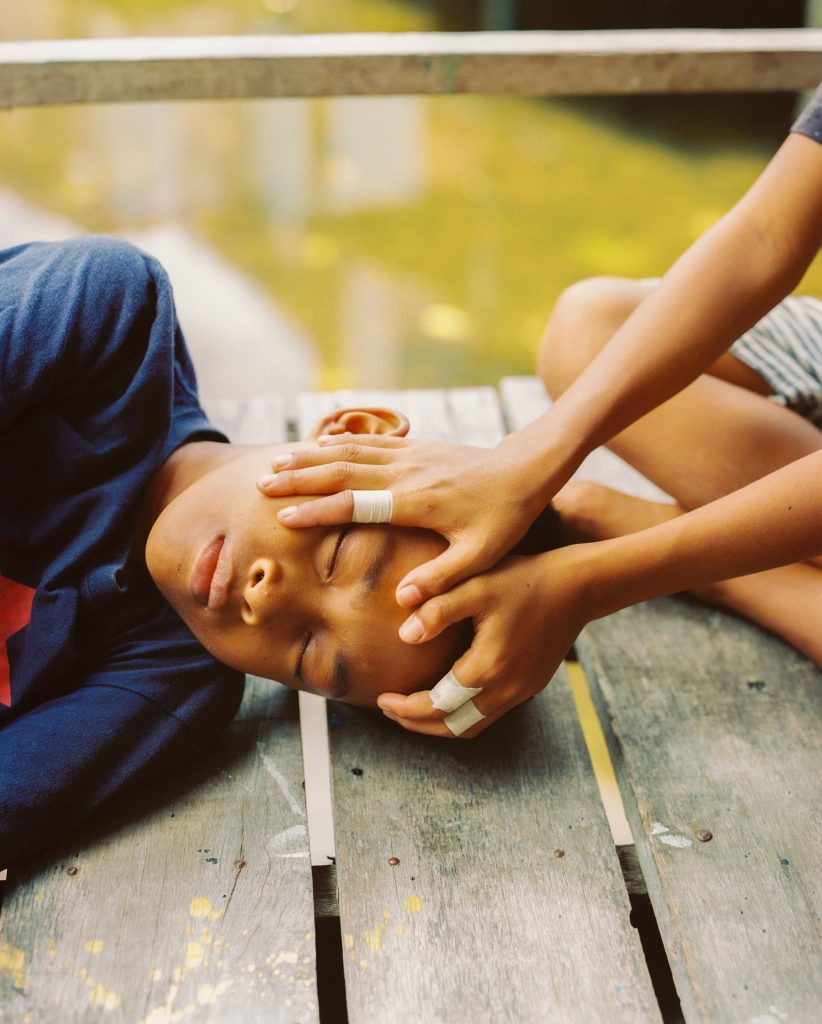
Mohammad Hamzah, the winner of the third prize
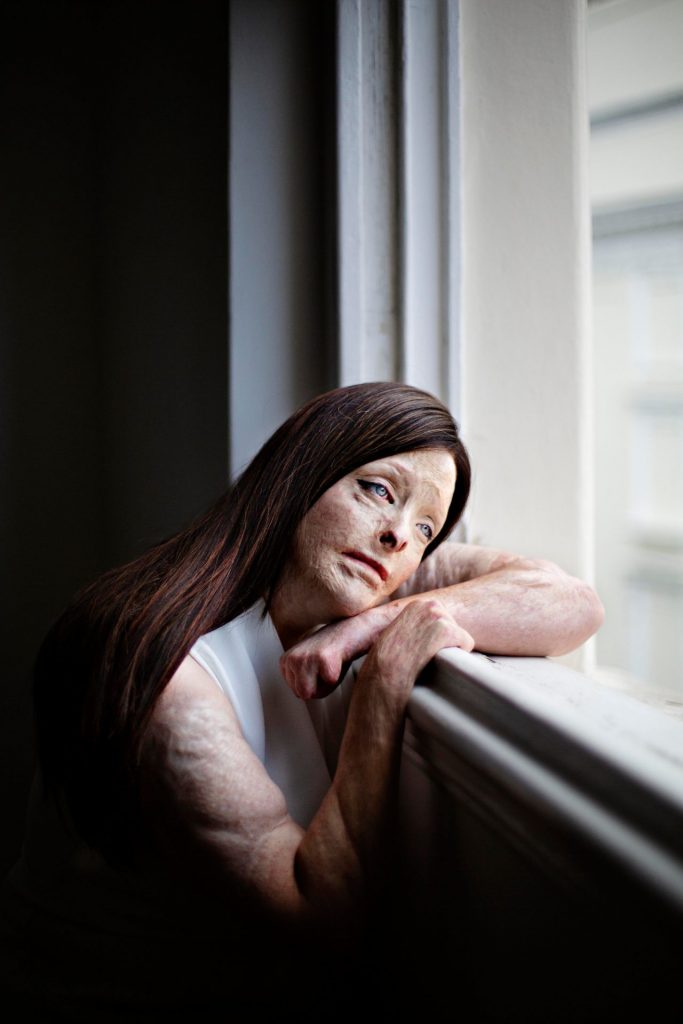
Outside of the Inside, by Martina Holmberg, which took first prize
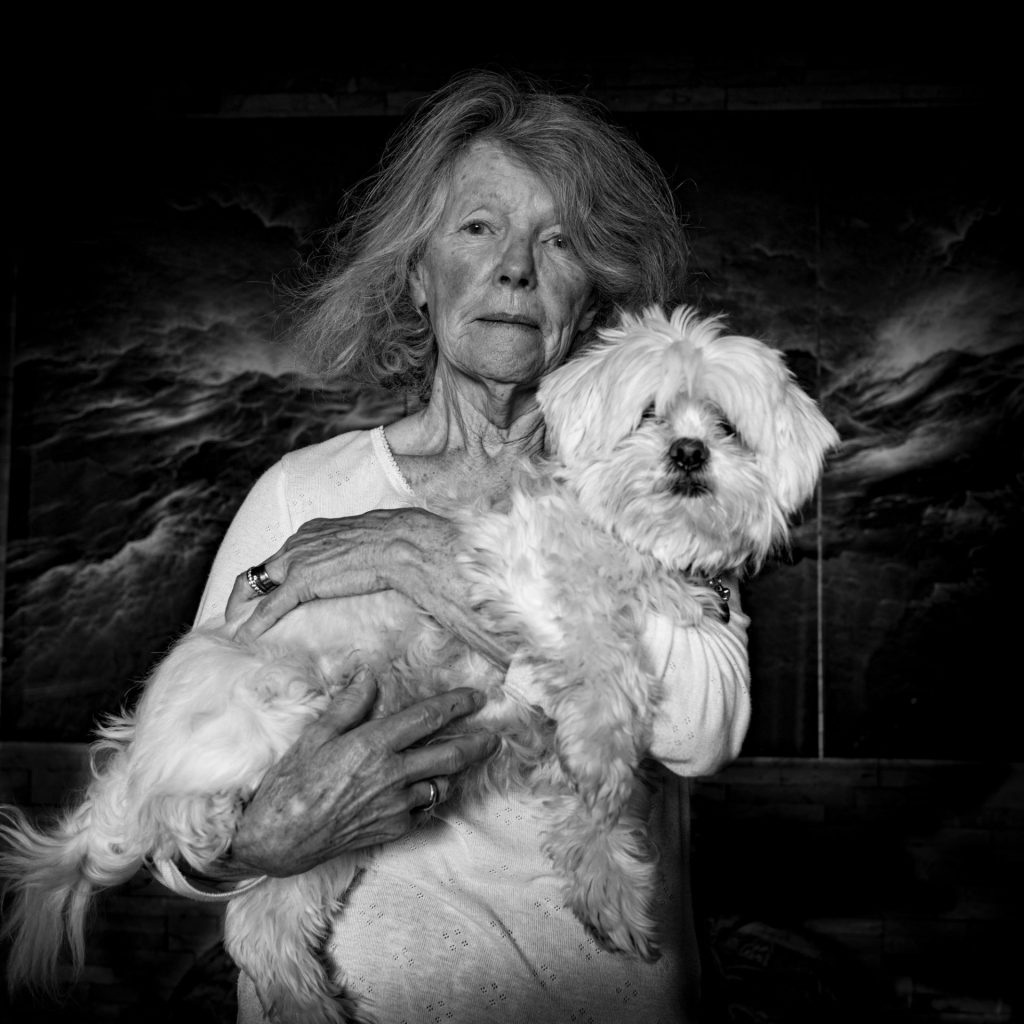
There’s a mysterious kiss in Olly Burn’s Jules and Marie, twin beehives that form a heart shape in the Romanian-born, London-based Dora Mois’s Dream Girls, and an impossible-looking jigsaw of limbs in Contortionism Ulaanbaatar by Tom Parker. In Mark Lamb’s stark, black and white Precious Things In The Stream Of Time, an older woman stares us down while keeping a tight grip on her dog. Would even time dare separate them?
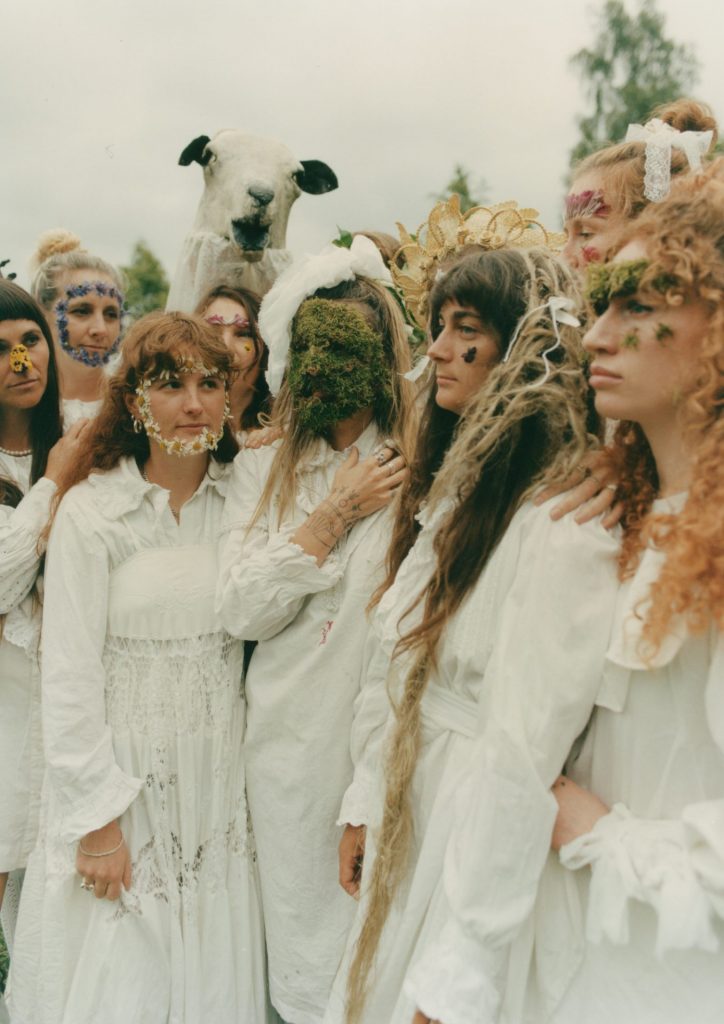
Winning the photographic commission award was Hollie Fernando’s Boss Morris, a portrait of a group of young, female morris dancers based in Stroud, Gloucester. The image is playful and otherworldly, and while the young women may be dressed in white, their floral chains and green-man masks hint at the darker secrets of The Wicker Man and Midsommar.
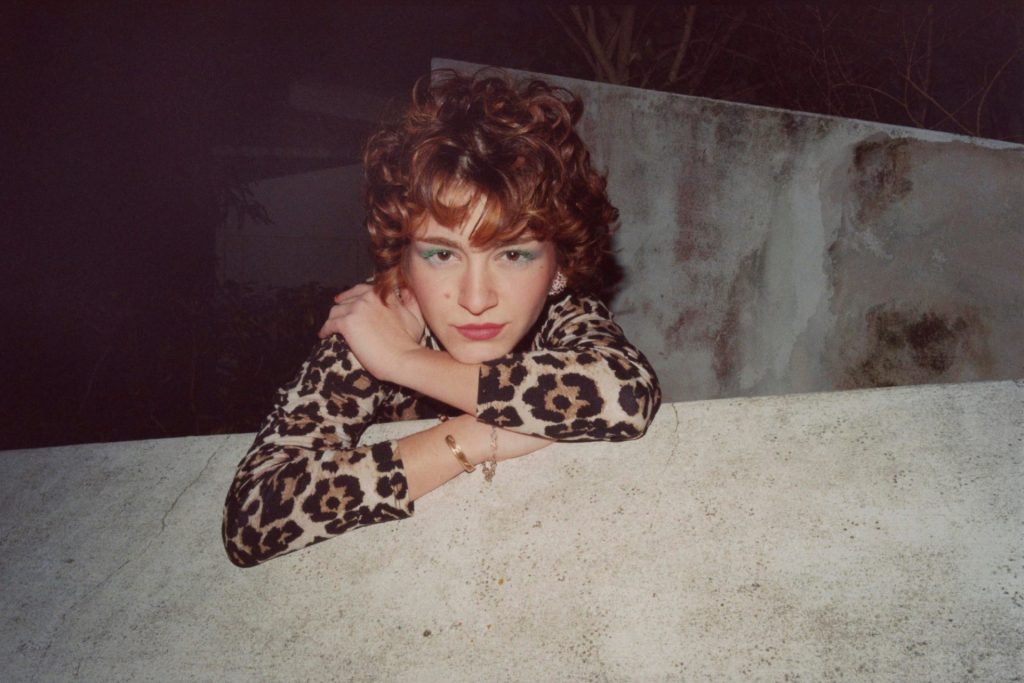
Photographs of people alone can still be about contact. In the Naples-based Bianca Zagari’s Ottavia Sotto Casa Mia (Octavia outside my house), the confident, red-haired, leopard-print-clad Ottavia dares us to talk to her. But it is a very different story in Swedish photographer Martina Holmberg’s Mel, which took first prize. Its subject was pulled out of a burning car when she was two years old. Mel’s sister, who had been sitting beside her, died. It is part of a series of images Holmberg has taken of those with physical differences.
Suggested Reading

Where nature calls: Toilets of the world
Mel sits alone by a window, an outsider in a darkened room, separated from human connection. But the light from her window makes the piece ultimately hopeful. Out there, perhaps out of reach for now, but waiting for us all, still lies hope.
The Taylor Wessing Photographic Portrait prize exhibition is at the National Portrait Gallery, St Martin’s Place, London until February 8, 2026