Odd, now, to watch Tess Daly announce the winners of the first series of Strictly Come Dancing in 2004. Natasha Kaplinsky gives a little shrug and hugs her dance partner, Brendan Cole, with whom she was rumoured to be having an affair. She later said she hated performing on the show.
Daly, wearing an unflattering knee-length dress, claps briefly. Bruce Forsyth just smiles, rooted to the spot.
With the departure of Daly last year, there remains one survivor from series one – Craig Revel Horwood (now, he admits, getting some help from Botox). Claudia Winkleman has left for The Traitors, taking dozens of A-list celebrities with her, and not all the 15 new contestants are immediately familiar.
EastEnders and Emmerdale have obliged, as usual. Former England footballer Shaun Wright-Phillips, Paralympian Sarah Storey and Team GB skeleton athlete Tabby Stoecker make up the sporting contingent.
Melanie Walters was Gwen in Gavin & Stacey, and a celebrity hairdresser and a dog trainer join the line-up. The rest are actors or TV presenters or made their names in social media. Watching the content creators, you realise that they have yet to master the knack of appearing on television. Next to the veterans, they look diffident and underpowered.
Suggested Reading
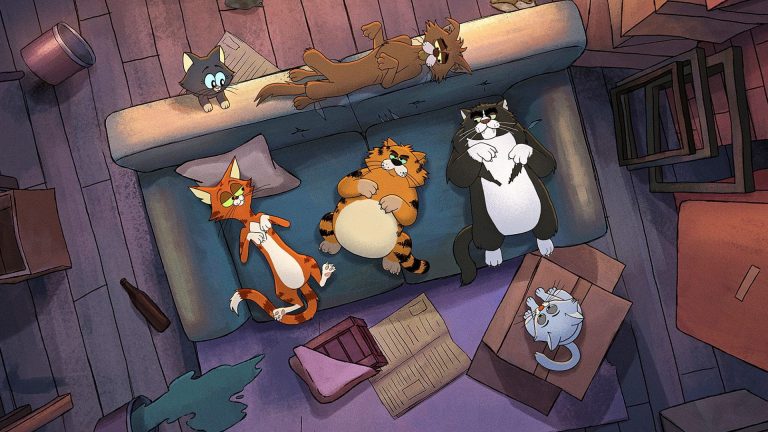
Ricky Gervais’s Alley Cats is even worse than you thought
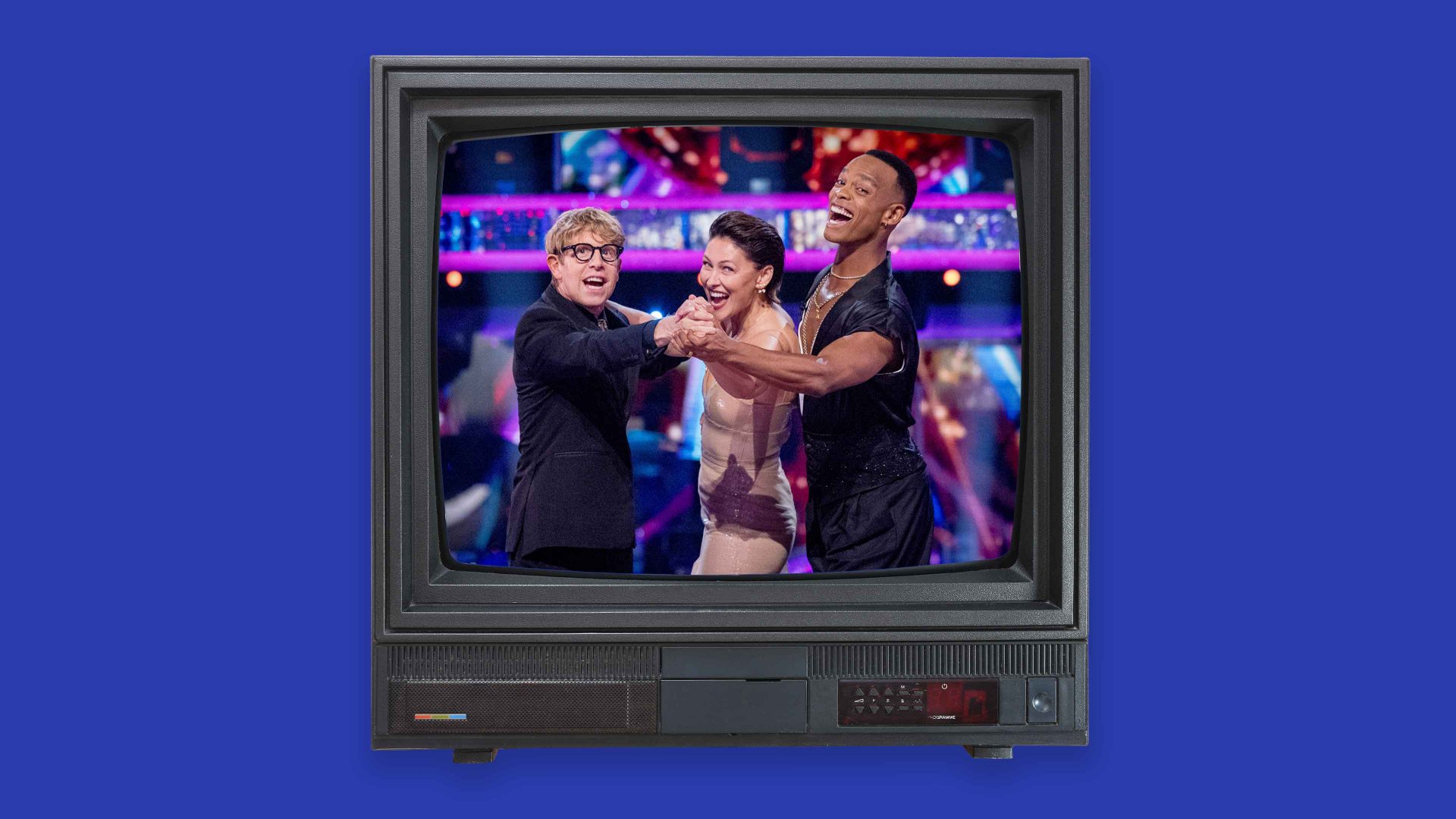
But it is the new presenters whom we are really interested in: Emma Willis, Josh Widdicombe and Johannes Radebe, a former pro dancer. Slightly overawed, they try to recreate Winkleman and Daly’s signature moves and phrases (“Keeeeeep dancing!”). The awkwardness should wear off in time.
Strictly 2026 feels more modern with this team, something of an achievement for a show whose aesthetic has barely altered in 22 years. The hip-tight cut of the men’s trousers, their polyester shirts opened as low as they dare, the tiny dresses made of tinsel, the wide-open eye make-up – all are intact, though nowadays everyone jokes about their fake tans, and even the men wear heavy jewellery.
Willis plays the big sister role, and Radebe is the gay best friend. But Widdicombe has not yet worked out how he fits into the Strictly universe.
He is not camp and not a former dancer. So he jigs about a bit, asks predictable questions and makes inoffensive jokes, hovering his hands like a chipmunk hesitating over its next meal.
Reports of bad behaviour behind the scenes on Strictly – involving cocaine and professional dancers bullying contestants – have tarnished the show’s reputation in recent years. The new season has learnt from that.
The show is more loved-up than ever. Everyone declares their adoration for everyone else, all the time: it is wonderful, it is fabulous, it is such an honour. The look is Rio Carnival, but the mood is the Haçienda in 1992.
Suggested Reading

Why Slavoj Žižek probably hates you
Part of that is to reassure viewers that, this time, all the contestants are cared for. Small tensions will emerge later on as the dancers disappoint Craig and try to hide their frustrations. But some of it reflects a different Britain.
Social media has made us a more demonstrative nation than we used to be. We are eager to present the most joyful version of ourselves. Strictly is where Britain goes to find that positivity: comfortable with diversity (the new pro dancers are from Bournemouth, Ukraine, South Africa, Toronto and Italy), dangerous sexuality safely confined to the sultriness of the rumba.
Winkleman’s Traitors, on the other hand, appeals to another side of the British personality, the one that expects betrayal and knows the façade is all Botox and filler. The new series of Celebrity Traitors starts next week. The Strictly glitterball sparkles as much as ever. But it feels like a relic of an older, more innocent world.
 Most popular
Emily Maitlis’s diary: As I was saying to George Clooney just the other day…
A new film about Elon Musk reveals him as so awful it’s almost tragic. Almost
The strange case of the Lib Dem writer who fell for Farage
The right wing media hounded Jason Arday and ignored James Orr. It’s obvious why