
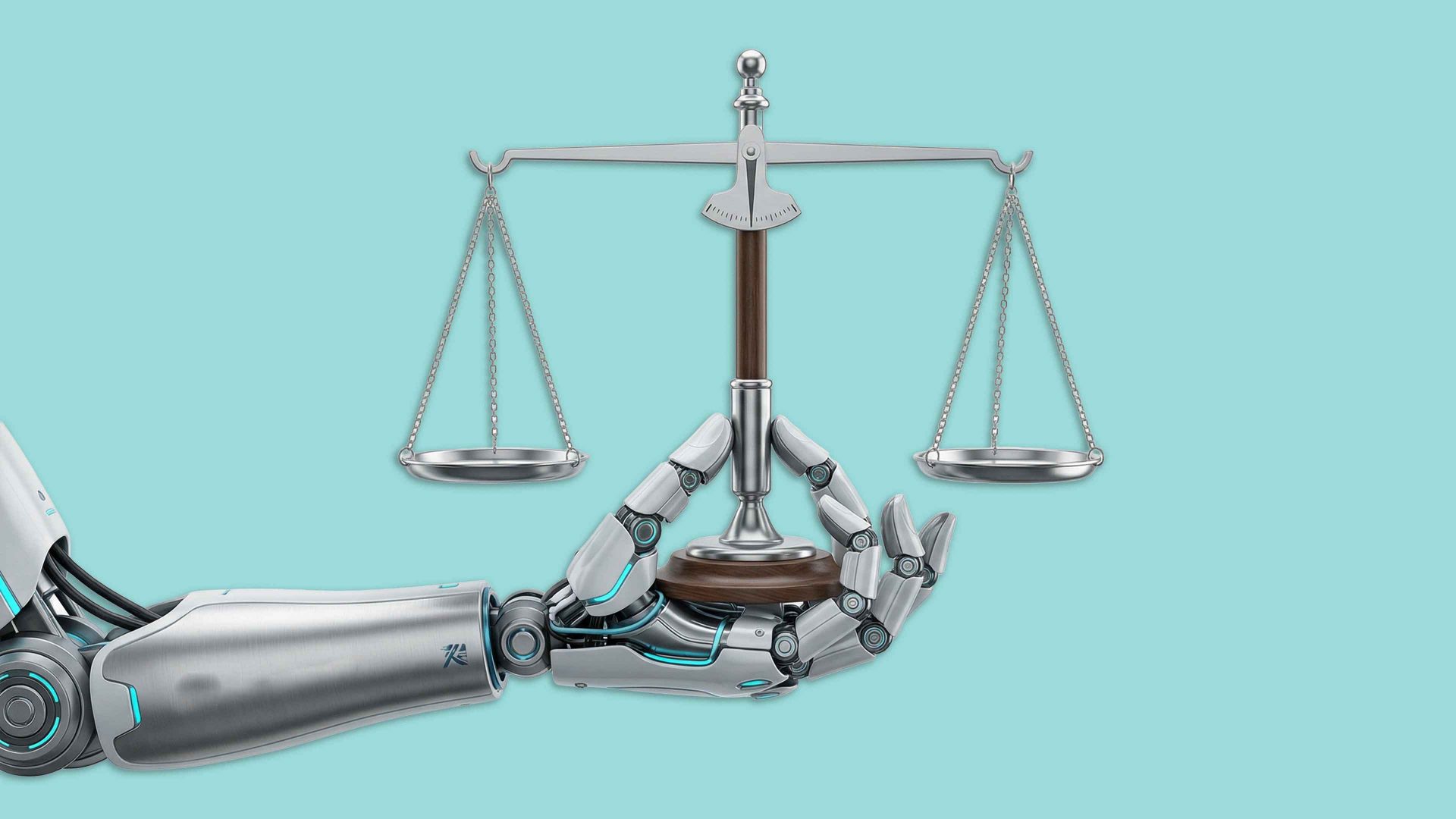
“Technology is inherently neutral – it’s just a matter of what we do with it.” That sentiment remains disturbingly resilient in the face of many decades of research by historians and social theorists of science and technology showing how nonsensical it is. It suits researchers who want to work on problems that are “technically sweet” – Robert Oppenheimer’s notorious remark about the atom bomb – without having to bother about the ethics.
Even those who might not openly espouse the “neutrality” argument subtly imply it with talk of “dual use” technology, meaning it may be deployed both for good and bad purposes, as if the choice is up to us. The truth is that, not only do many technologies involve an inherent mix of social benefits and drawbacks (mobile phones being an obvious example) but they do not come value-free in the first place (ditto).
The matter is brought into rather sharp focus as we continue to buy cars and award governmental contracts to the man who recently retweeted, with an emoji indicating 100% agreement, the comment that “White solidarity is the only way to survive”. I don’t know that it offers much comfort, as Nasa considers making Elon Musk’s SpaceX Starship rocket even more central to its Artemis lunar program, to realise that this won’t be the first time that the US effort to send people to the moon has yoked itself to a white supremacist with a fondness for Nazi salutes.
The willingness of governments to knowingly embrace tech providers who have political and ideological goals does, however, make you wonder if they are getting any advice at all that has not swallowed the neutrality myth hook, line and sinker. The UK government seems now to be getting cold feet about the decision in 2023 to give the contract for an AI-enabled data platform for the NHS to the US surveillance technology company Palantir. Might, perhaps, the company’s involvement with Trump’s ICE raids and with the Israeli military and security agencies provoke distrust among doctors and the public that will hinder rollout of the technology?
Well, quite. But who could have guessed that the company co-founded by the dictatorship-curious far right libertarian Peter Thiel, currently to be found lecturing the pope about the return of the Antichrist, might be inherently problematic? If only there had been some warning signal, when Keir Starmer was introduced to current Palantir chief executive Alex Karp by (who else?) Peter Mandelson, that this man’s interests might not align with those of the British government. (Here’s a hint, free of charge and not entirely sardonic: avoid all tech that takes its name from Tolkien, such as crystal balls that will almost inevitably corrupt all who gaze into them.)
Suggested Reading


Meningitis and the dark lessons of Covid
Karp made his pitch apparent in a recent interview, where he openly and even proudly stated that his AI technology “disrupts humanities-trained – largely Democratic – voters, and makes them economically powerless, and increases the economic power of vocationally trained, working-class, often male, working-class voters.” To be even more explicit: it’s the “highly educated, often female voters, who vote mostly Democrat” whose power will be lessened by it. And that, it seems, is something Karp would welcome. “Democrats completely neglect males”, he said, his voice dripping with contempt. “I don’t find it very appealing as a dude”.
In other words, what Palantir is doing will intervene in democracy in specific ways. They are saying it out loud. But that is nothing new; tech leaders such as venture capitalist Marc Andreessen (who recently announced, pace Socrates, that introspection is a modern malaise) are openly deriding democracy and boosting the voices of far right racist “thinkers” such as Curtis Yarvin.
There is of course nothing new in mega-rich business leaders and media moguls aligning with the political right. But as writer Jacob Silverman explains in his new book Gilded Rage, the game has changed, not just because of the scale of the wealth and the reach of the technologies into every aspect of our lives but because such values are being built into those technologies themselves, and also because of the increasing extremism of this tech-based ideological fervour.
The incursions of Cambridge Analytica into the Brexit referendum and the 2016 US election were only the first hint of what is now unfolding: a potential future in which democratic agency becomes a facade and a self-appointed, astronomically rich tech elite run things just however they choose. That future is not inevitable, but it might be avoided only if governments stop supposing tech developers are simply making convenient, value-neutral data-handling services or “innovation-accelerating” machines.