
Bread and circuses provided Roman rulers with a useful means of minimising discontent. Today it seems the public’s willingness to be distracted by trivia is increasingly prevalent, perhaps because the scale of the world’s problems is so overwhelming.
Politicians and the media gleefully pounce on diversions and exaggerate every possible angle, while avoiding any suggestion that perhaps the UK should be better prepared for the various crises lurking on the horizon. The latest molehill to be inflated to a mountain concerns the Bank of England.
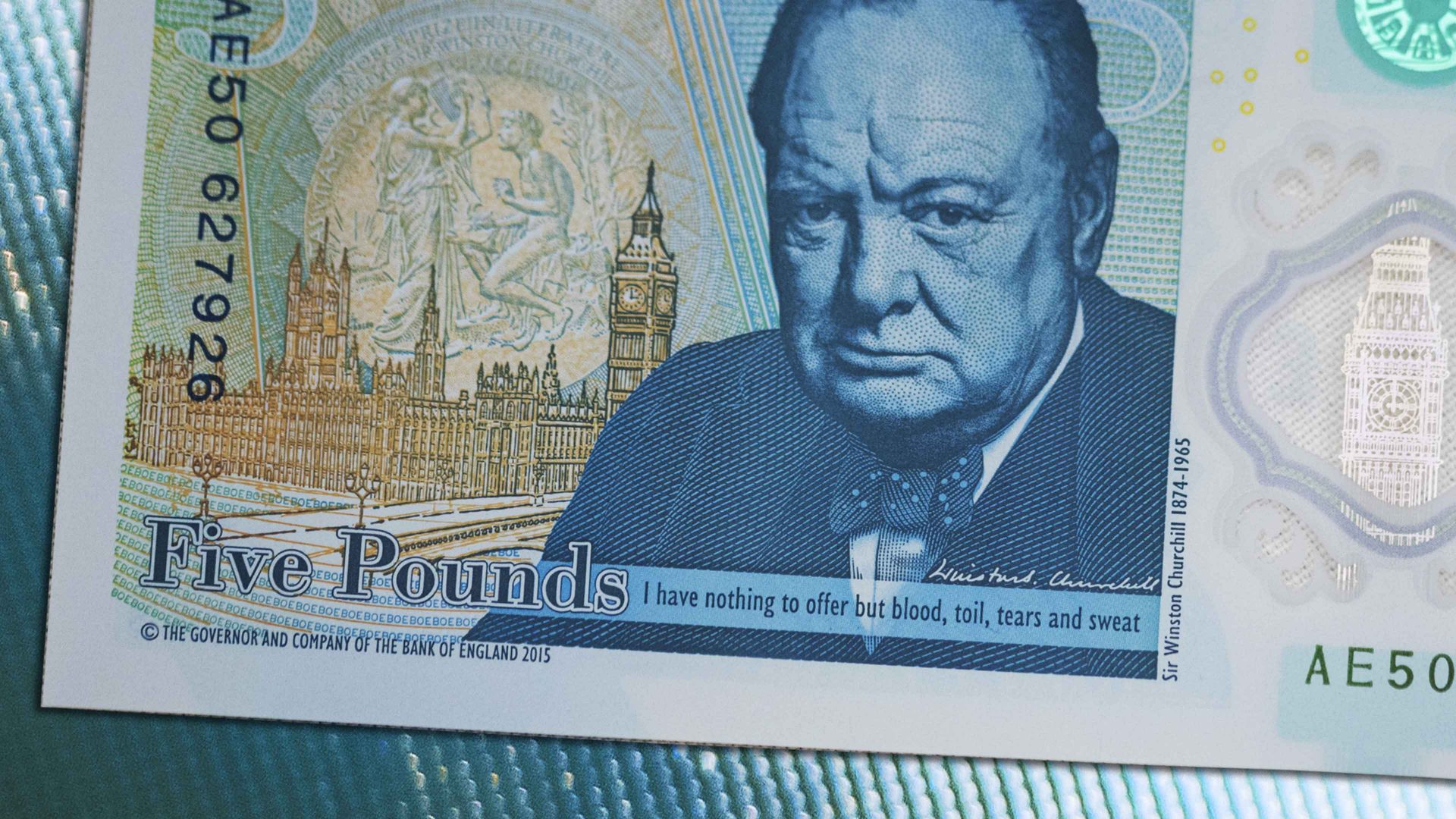
The bank’s interest-rate policy is not the issue. Instead, it is being lambasted because it has decided to change the images on banknotes. The plan to change the design of paper currency was described by Nadhim Zahawi as “self-loathing from the wokerati”.
Zahawi was chancellor of the exchequer for two months during the unlamented Liz Truss administration but, far from retiring with any sense of self-loathing, he has now joined the Reform party. Yet the outrage spread to relative moderates such as Jeremy Hunt, George Osborne and the Lib Dem leader, Ed Davey, who criticised the decision. The plan to replace Churchill, Austen, Turner and Turing with images of UK wildlife was a grave mistake.
As we all know, cash is going out of fashion faster than you can say “contactless”. Also, the convoluted redesign process means any new notes will not come into use for several years. But that, it seems, is irrelevant: this was an attempt to belittle Britain’s greatness. Interviewers were dispatched to find Brits prepared to be appalled by the idea. Jacob Rees-Mogg, star of his own reality TV show, displayed his usual lack of any sense of irony by declaring that the move was evidence of the bank’s “lack of seriousness”.
Yet while politicians and the media tried to interest the public in this sideshow, parliament was at work trying to stop millions of people from having a say over how their cash is actually used.
The Pension Schemes bill lacks the instant culture-war appeal of the currency argument, but it has far more significance for the financial future of much of the population. Its impact could be felt long after banknotes have entirely vanished – and yet it has barely featured in mainstream media.
A bill with the aim of improving returns for investors in private pension schemes and encouraging investment in the UK economy enjoyed a relatively painless journey through the House of Commons. But this bill is typical of so much recent legislation in that it gives power to ministers to lay down the details in future without any real scrutiny. Constitutionalists hate these “skeleton” bills. Politicians love them.
Suggested Reading


Badenoch, Harrogate and the Ayatollahs
The bill delegates a huge amount of power to ministers. The delegated powers memorandum that accompanies the bill runs to 149 pages, almost as long as the bill itself. The House of Lords committee charged with scrutinising such legislation in effect threw up its hands and said the task was impossible, given the extent of the “blank cheque” that had been given to ministers.
But, after some hard campaigning, attention is focusing on a key part of the legislation: the government’s ability to tell private pension schemes where they must invest. The implications of that are huge for many millions of people and their families. Yet public discussion has been minimal. Politicians who rushed to sound off about the banknote controversy have yet to wake up to this genuinely important financial issue.
The simple suggestion that UK pension funds should use some of the billions of pounds at their disposal to back British companies, particularly those that were not on the public markets, seemed reasonable and was initially supported by many investors.
But where should the boundaries be when it comes to telling pension funds where to invest? The UK desperately needs long-term investment in infrastructure and housing, but pensioners and future pensioners need to be sure of decent returns. Aligning the two will not always be easy.
A future government might believe that a particular high-speed rail line was essential to the future prosperity of the country. It might even believe that investors in the project would get a good return. But it might be wrong. The bill as it stands could enable a minister to direct private pension money into just that sort of scheme.
The government insists that it would never really want to do such a thing. But then, ask the sceptics, why does it want the power? If they were serious people, that is a question opposition MPs should be asking, instead of getting in a flap about the design of banknotes.