
The doctrine of Mutually Assured Destruction may not be a comforting idea to contemplate but it’s not as mad as its acronym suggests. There is a logic in the idea that, if two parties have the power to inflict terrible damage on each other and that the first to strike will not be able to escape retaliation, neither will unleash the horror.
Zack Polanski did not address this when, last week, he reiterated the commitment of the Green Party he now leads to nuclear disarmament. But timing is everything. No matter how committed Polanski may feel to this cause, the moment when the president of the US is indicating that Europe cannot rely on American defence support, and when Russia is continuing to wage war against Ukraine, is not the moment to advocate for the UK doing away with nuclear weapons.
It gave Sir Keir Starmer the opportunity to deliver one of his better one-liners. The Greens, he said, were “high on drugs, soft on Putin”.
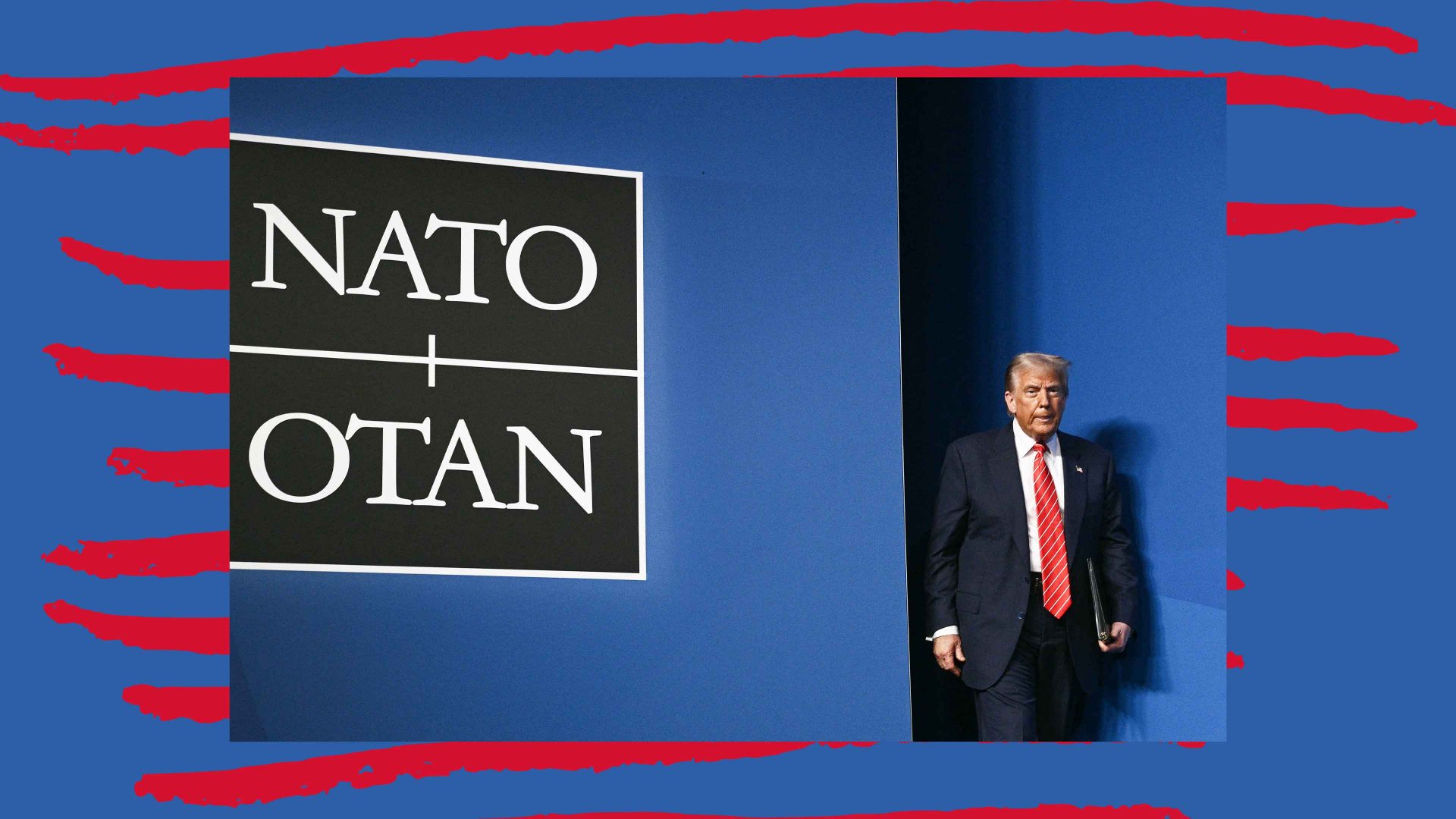
The US president has changed his tune in recent days, but the message is clear: the US cannot be relied on to protect Europe from aggressors. It does not necessarily follow that the US should not have military bases on UK soil, but Polanski’s suggestion that the presence of US bases should be reviewed is reasonable. It reflects the widespread view that the UK must wean itself off its dependence on US military might. It is unclear what he is suggesting as an alternative.
But even in the extraordinarily unlikely event that every nuclear power agreed to abandon its nuclear weapons, not even the Greens are suggesting that the UK should lay down its arms completely. And the problem is that modern defence equipment does not come cheap. As the cold war thawed and relations with the then Soviet Union improved, the UK banked the peace dividend in the form of reduced defence spending.
Faced with Putin’s aggression, the need to bump up defences is horribly clear but the commitments being made are weighted to the long term and defence procurement is a notoriously long-winded and expensive process.
The fact that the Royal Navy was the proud owner of a new aircraft carrier but lacked aircraft that could launch from it was a cause of hilarity for cartoonists, but of deep embarrassment to the much depleted military.
The UK’s defence procurement process has been horribly inefficient for years and has led to huge overspend. But the need to keep refreshing the armoury is an imperative. When Ukraine came under attack, it needed armaments immediately and constant replenishment. But public approval for a steep increase in military spending is not guaranteed.
When Trump denigrated the contribution of Nato forces in Afghanistan, there was understandable anger and it was sufficient to drive even Starmer to drop his pussyfooting with Trump and vigorously reject his insulting remarks.
But does the British public really want to pay more for defence when there are so many other spending priorities? After all, living standards in Britain have been falling for more than a decade.
Suggested Reading

Why Zack Polanski is dodging Gorton and Denton
Putin’s full invasion of Ukraine was greeted with outrage, but four years on, many people have consigned the conflict to the “not our business” file. Horizons become narrower as local problems intensify and, for many in the UK, international affairs barely feature in their thinking. The cost of living is their main concern, along with immigration.
The government has not opted for the tactic employed by some European governments of trying to instil a sense of fear of foreign attack. The result is a degree of complacency over Britain’s physical security.
It was 1958 when the Campaign for Nuclear Disarmament launched in the UK and it has since given out a huge number of badges and held a great number of marches, but none of this has resulted in much disarmament. Polanski’s call to abandon what is politely termed the nuclear deterrent is not destined to meet with any more success.
The Greens, like Reform, are trying to appeal to those who have given up on the traditional mainstream parties. But these are voters who have turned their focus inwards, to the problems they perceive on their doorsteps. They won’t be swayed by big-picture, geopolitical posturing.
Given the pantomime currently playing out on the world stage, who can blame them?