As every doctor knows, you do not prescribe treatments before you have consulted with the patient. The outcome would obviously be chaotic and, quite probably, fatal. However, it seems to be a method favoured by the chancellor Rachel Reeves, despite a string of predictably dreadful results.
The volte-face on her scheduled money grab from pubs is just the latest in a string of reversals made by Reeves since she marked her arrival at the Treasury with the announcement that she was going to strip the nation’s elderly of their winter fuel payment. The torrents of ill will and pressure to rethink that have come from Reeves’s “prescribe first, then consult” approach, bringing to mind the old adage: “Act in haste, repent at leisure”.
And, even when the government inevitably backs down, the damage has been done and yet another sector of society is left feeling aggrieved.
Changes in inheritance tax largely intended to stop wealthy individuals further enhancing their fortunes by investing in agricultural land backfired spectacularly as the effects on genuine family farms became clear. The climb-down came eventually but would not have been necessary if the appropriate questions had been asked, and the responses heeded, in advance of the measures being announced. Instead, furious farmers had to trundle their tractors to Westminster to make their anger clear. Even though they eventually won concessions, the chances of them becoming Labour party supporters had been effectively annihilated.
The same pattern is now being repeated over pubs. There was a time when the public house was regarded as the centre of almost every British community, but the fact is that they have been gradually declining for a number of years. Nevertheless, pubs still have a special place in the checklist of things that UK politicians think are important to voters.
One of the questions on which Nigel Farage scores relatively highly is: “With which party leader would you most like to spend an evening in the pub?” But it is the Conservative leader, Kemi Badenoch, not the most obvious choice as a companion for a jolly evening at the local, who has been most vociferous in leading the campaign to support pubs in their campaign against the government’s planned changes.
Badenoch may be devoted to her local, but her impassioned defence of pubs looks more like political button-pushing than the serious analysis she promised for her policies.
But, yet again, the government has enabled the Conservatives to look as if they are in tune with the public because Reeves announced changes before she was fully aware of the effect that they would have. Making changes to an outdated business rates system is essential, yet pubs had been led to believe that they would be among the main beneficiaries of changes announced in November’s budget.
That did not take account of the revaluation that then took place and left them facing massive hikes in their bills, to the extent that industry bodies say many will be driven out of business. These changes, however, are not confined to pubs. Many other high-street outlets will be devastated by the increased bills they now face, coming on top of the hikes in employment costs that the government has already imposed.
Suggested Reading


Why Britain’s public services are so bad
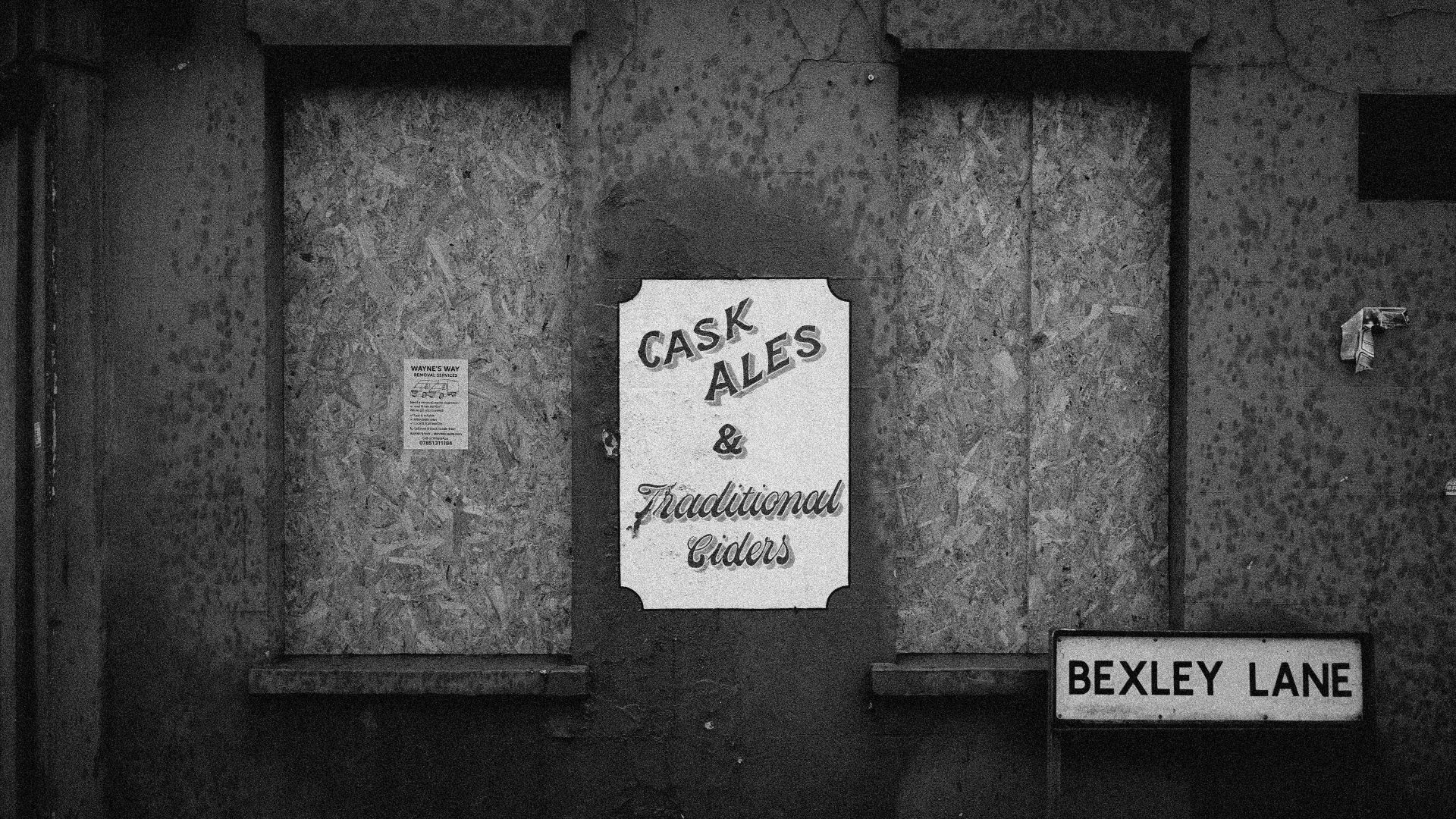
With boarded-up shops now a common feature of most high streets, the outlook is much gloomier because of Reeves’s changes. It is being suggested that Treasury civil servants had not provided sufficient information about the potential impact of the changes but, on the basis of previous debacles, it seems probable that the government did not wait for answers, or perhaps didn’t want to hear them, before charging ahead with its policy announcement.
More concessions for pubs may mean that some will be able to continue trading, but it will only exacerbate anger in parts of the hospitality industry that are suffering the same problems but do not have the same perceived political and cultural significance. Physical retail businesses, whether they are selling pints of beer or pairs of socks, cups of coffee or cans of beans, have overheads that are many times those of online retailers. They argue, not unreasonably, that this is the unfairness which the government must redress.
That is no easy challenge and it would need time and proper consultation to come up with workable solutions. But how much better it might be if the consultation, consideration and deliberation could take place in advance of the announcement of policy decisions.
Not everyone would be happy with the results, but at least they would have less ammunition for embarrassing an ill-informed government into eventually delivering changes.