
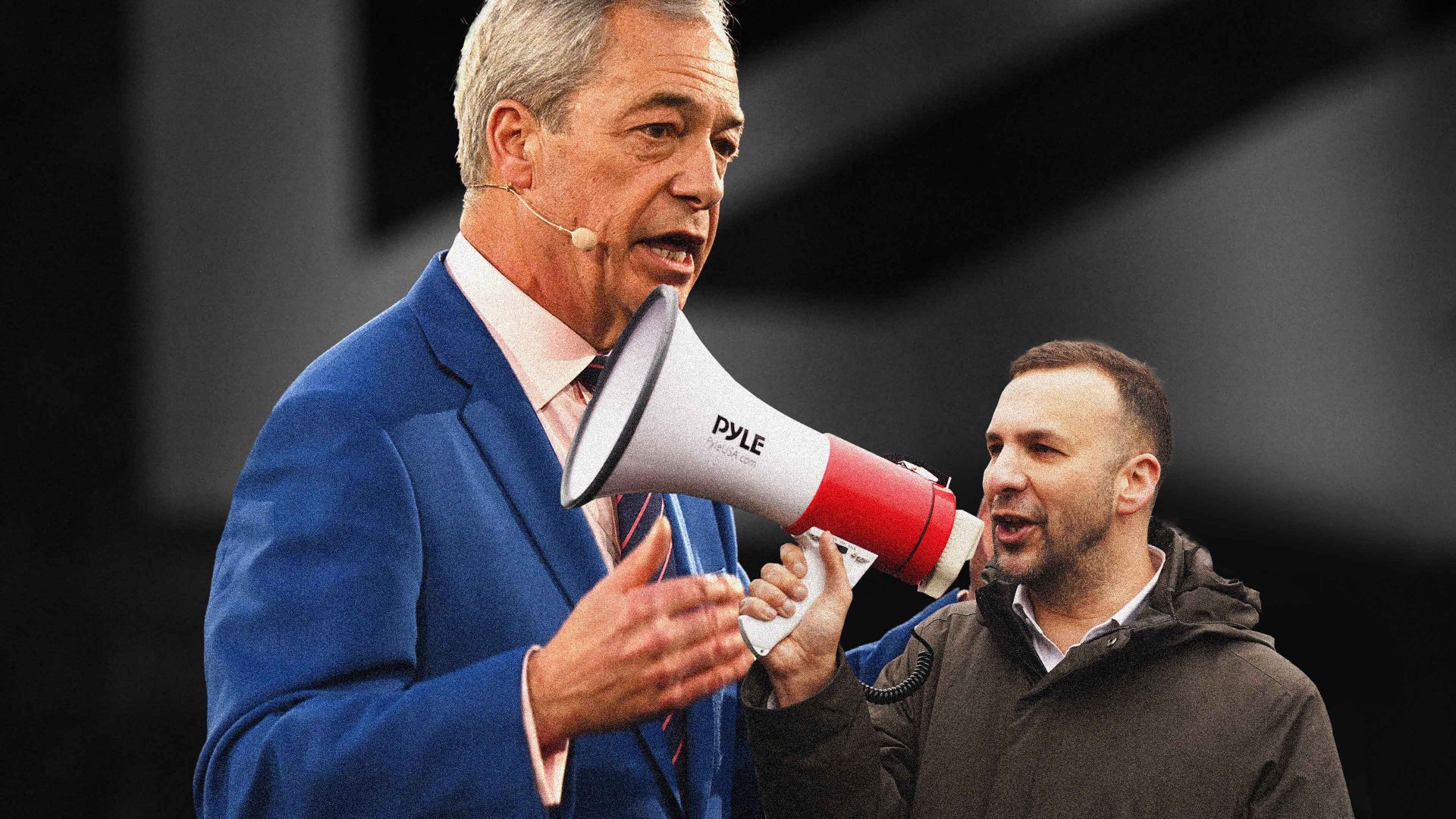
“The devil has the best tunes,” bemoaned an 18th-century Methodist cleric. It remains true that today’s relative extremists deliver far better soundbites than their opponents.
In the 21st century, the changing shape of media has boosted the dangerous messages. So the UK finds itself facing local elections in just a few weeks in which the major victors are set to be Nigel Farage’s Reform Party and the Green Party, led by Zack Polanski.
Both play extremely catchy tunes yet neither deserves to be taken seriously as a political leader. Their policies, so far as they have any, do not bear close examination. Reform won control of Kent county council in May last year, which means the party is actually having to govern, at least at the local level. The result has been chaos.
Reform promised to deliver efficiencies and pledged not to lift council tax. This has since turned into a tax increase of 3.99%. Councillors’ allowances have also been raised, by 3.8%.
To divert attention from the mess it has made and the promises it has broken, the council spent time this month passing an emergency motion on the issue that remains its theme tune: the need for a tougher approach to immigration. Meanwhile, Farage and his followers are given substantial airtime to broadcast their message, while rarely being challenged on their ability to deliver.
Equally, Zack Polanski has set out some broad-brush policies on public services but, apart from a vague proposal for a “wealth tax”, has avoided any detail on how he would fund a greener and more pleasant land.
Nevertheless, in just six months as leader of the party, Polanski has made a significant mark – Hannah Spencer’s success in the Gorton and Denton by-election, overturning Labour’s 13,000 majority, was a stunning victory for the Greens.
With the rapidly deteriorating international situation, and with the UK struggling both socially and financially, this is not the moment to be flirting with extremists. Now is not the time for Britain to conduct a political experiment on itself.
But the centrists have not played a good tune. The current government seems nervous about hitting the wrong note and alienating the electorate, its MPs, or both. The Conservatives only seem interested in trying to mimic Reform and the Lib Dems still struggle to sound serious, let alone be taken seriously as a party of government.
Yet among those three, there has to be the makings of a band with mass appeal. To get a decent hearing, however, would require someone with real leadership qualities who was prepared to be honest with the electorate.
It may or may not be true that Iran has missiles that could reach the UK, but the very fact that this is now being suggested is the strongest wake-up call yet to the dangers that face us. This might not seem quite so frightening were it not for Trump’s extreme volatility. Yet the American president has served one useful purpose – he has alerted the UK and Europe to the need to become more self-sufficient in defence.
Suggested Reading


Badenoch, Harrogate and the Ayatollahs
The Royal Navy’s struggle to get an advanced destroyer in place to defend Cyprus was an embarrassing indictment of the UK’s preparedness.
After years of running down the nation’s defences, in terms of manpower and munitions, the need to increase spending could not be clearer. Yet the PM’s suggestion that the target of spending 3.5% of GDP on defence should be brought forward from 2035 was strongly resisted in cabinet.
And on Sunday morning, government minister Steve Reed was sent out to sing the praises of the UK military and assure people that this country could cope with any threat Iran might pose. But such reassurance is at odds with persuading voters that some truly tough decisions need to be taken and will involve some discomfort for many people.
Telling the nation that the government had “found the money” to alleviate some of the fall-out from the rise in energy prices because of the Iran war sets a dangerous precedent. Yet that’s what Rachel Reeves did a few days ago.
The devil might resort to such a tune and it might deliver short-term rewards at the ballot box – but the long-term future of the country depends on finding people brave enough to be honest with the electorate and who are persuasive enough to make the majority sing along with them.