It is a brilliant blue-sky day in Port Sudan, cloudless, the dry heat tempered by a Red Sea breeze as a small boat putt-putts away from a rickety wooden pier loaded with daytripping families.
For many, Sudan is inextricably linked with images of a brutal armed militia, desperate refugees, the weeping bereaved. But for the many millions of Sudanese who live in the shadow of war, hanging on to normality requires the integration of horror with the day to day.
And so it was for the chattering group of mums and dads with excited children who took advantage of a recent sunny, winter holiday weekend in the city of Port Sudan to book a trip to the Underwater Hut, a rusty steel structure off the coast.
The Hut is a large, solid metal shack with a jetty and a steep iron staircase leading to its submarine belly.
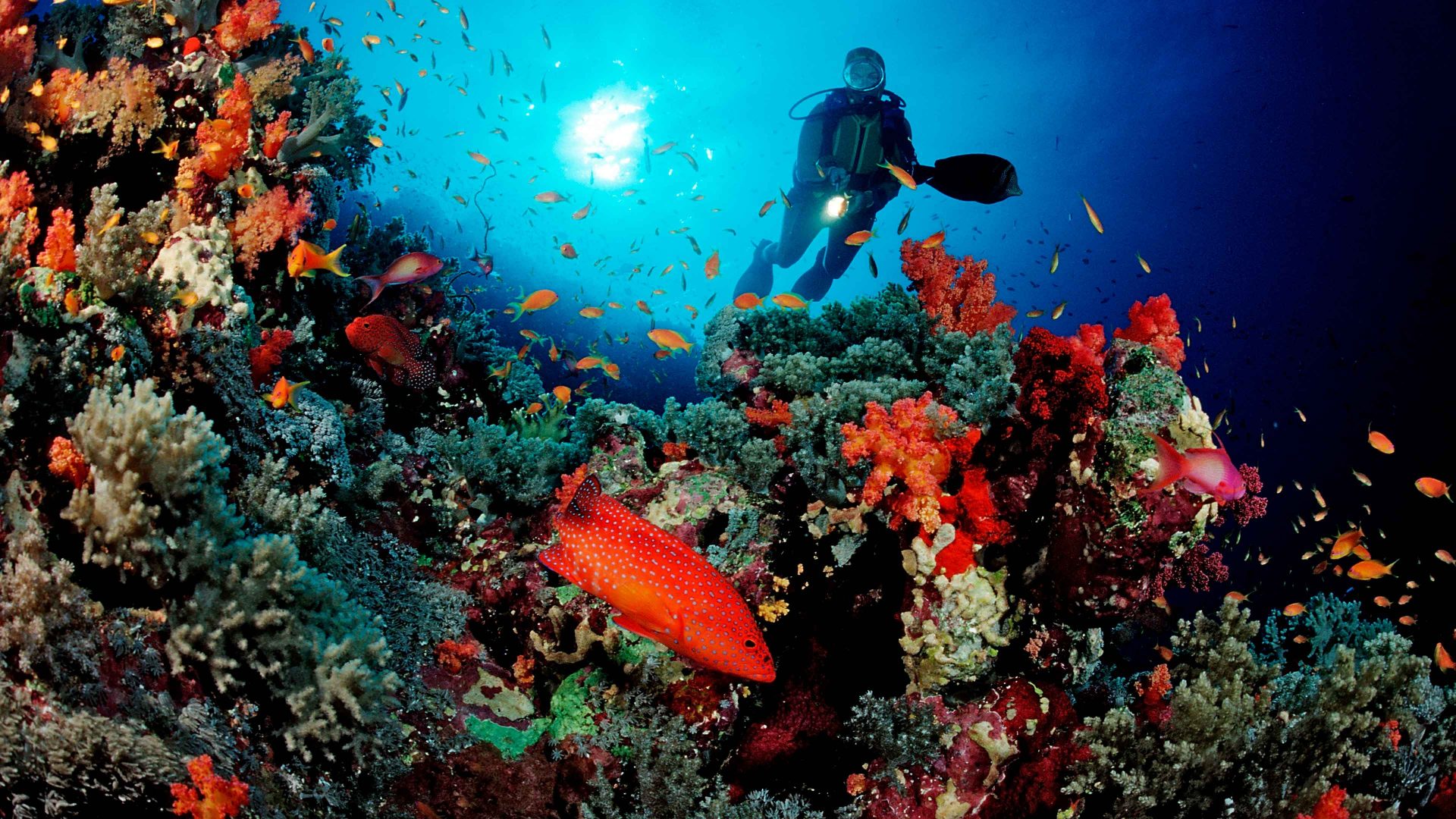
Painted in a 1970s sage green and white, the steps lead visitors into a room with porthole-style openings and, through the aged milky glass, you look on to the coral reef, where shoals of colourful fish and aquatic plants sway to the rhythm of the tides. As bright iridescent blue fish flickered in and out of algae and one particularly large, bug-eyed fish swam languorously towards the windows, the hut resounded with the children’s excited “oohs” and “aaaahs”.
Sudan has endured nearly three years of civil war, ever since the military government was forced out by the rogue paramilitary Rapid Support Forces (RSF). Now, prime minister Kamil Idris has declared 2026 the “year of peace” for Sudan and that the “government of hope” was officially back in Khartoum after operating from its wartime base in Port Sudan for three years.
Which makes the nation’s spectacular coral reefs, 750km of coastline, white sands and clear turquoise waters even more suggestive of the nation that could emerge from this war. The viewing hut is just one extraordinary relic of a time when the nation welcomed intrepid travellers, offering the sea, the desert and more pyramids than Egypt.
Less than 30km from Port Sudan is the Unesco-listed Sanganeb National Park, an atoll that’s home to 124 coral reefs, once known as one of the top diving locations for encounters with grey reef sharks, blacktip reef sharks and hammerheads. Further up the coast is Dungonab Bay and Mukkawar Island, a system of mangroves, grassbeds and coral reefs.
Suggested Reading
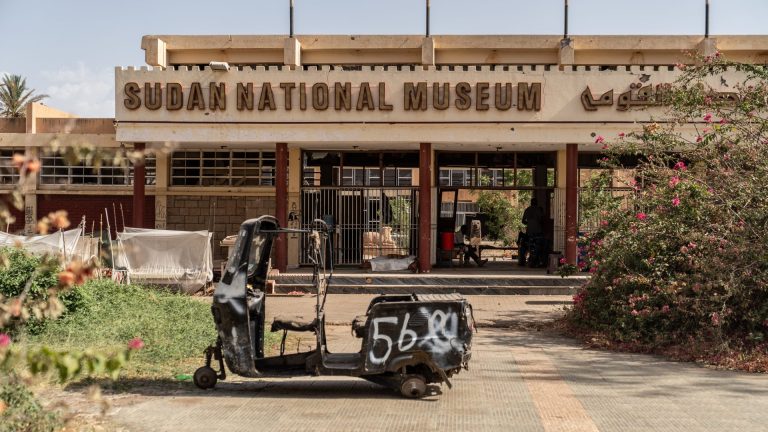
When looters arrived in Sudan’s National Museum
In the 1960s, Jacques Cousteau built his pioneering Précontinent II experimental underwater village there. Cousteau was convinced it was possible for humans to live underwater without interruption for long periods, and built prototype pods, a research project funded by the oil industry.
The remains could be seen by divers who visited the only Sudanese Red Sea eco-resort, Sha’Ab Rumi, the first to earn its Professional Diving Association licence in 2000. It’s a forlorn reminder of the attempt to make the Sudanese Red Sea coast an international diving destination.
The underwater hut seemed an incongruous sight on the edge of the large, working port, part of a vital economic lifeline for the wartorn nation as well as landlocked neighbouring nations such as South Sudan and Ethiopia.
Later, the shuttle boats brought families back to the shore for cold drinks and lunch of fresh, chargrilled fish in one of the tiny handful of eateries along the shoreline, palm-roofed terraces offering shelter from the hot sun.
In the evening, thousands attended a fair at the big city arena called “Entrepreneurship in Sudan: Challenge and Resilience”.
These are the people trying to make a more hopeful future for Sudan, to drag the country away from the brutal reality of its present and its immediate past.
Paola Totaro specialises in European affairs, politics, social policy and the arts