In later life Jean-Jacques Rousseau became convinced that former friends, including Diderot and Voltaire were plotting against him. He accused David Hume, who’d brought him to London to escape persecution in France, of much the same.
Rousseau had many real enemies, including both Catholics and the Calvinists, and his books had been burnt in public. He’d left Môtiers after his house was attacked by a stone-throwing mob. But as he grew older, he imagined enemies everywhere and was sure they were conspiring to mock him.
Rousseau suffered from paranoia, an irrational suspicion and distrust of others. But there’s a slim chance that he was right, even though the evidence was insufficient to prove it. Perhaps his friends were discussing him behind his back, spreading evil gossip; perhaps they were holding secret meetings where they plotted how to destroy him, possibly driven by envy of his celebrity status throughout Europe.
He was on a hair-trigger, readily interpreting innocent comments, looks, and actions as evidence of malign intent. And vicious anonymous pamphlets were indeed in circulation. One labelled him “Doctor Pansophe” – a pun alluding both to pansophism (the claim to universal knowledge) and, more obliquely, to his Armenian style long coat which he alleged he wore because of a urinary infection that meant he needed to relieve himself urgently and frequently. This garb gave him swifter access than the customary breeches: hence “Doctor pants off”.
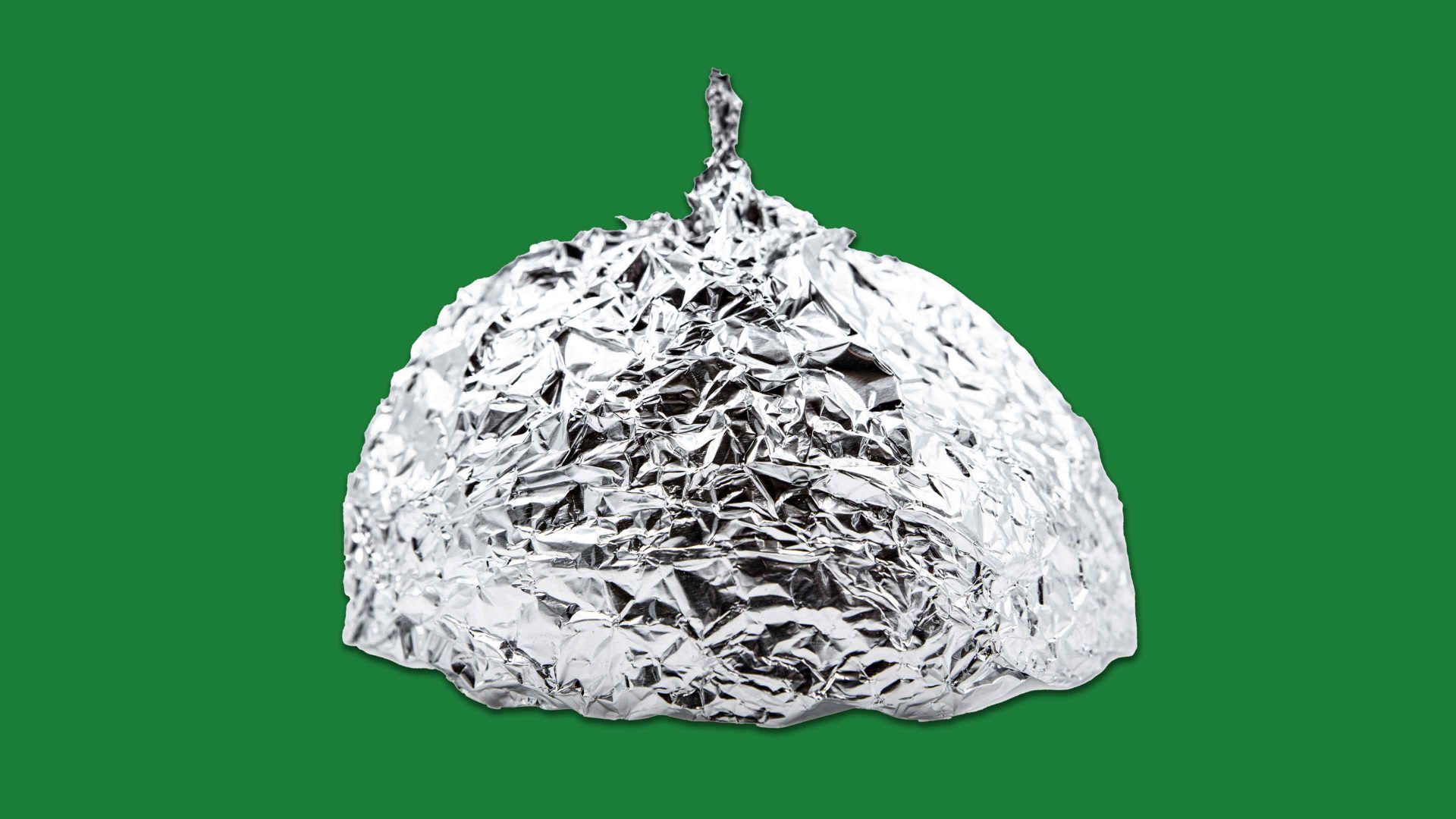
Conspiracy theories operate at a broader social level than paranoia. Paranoia focuses on perceived personal dangers unique to that individual; conspiracy theories purport to explain larger-scale social patterns. Conspiracy theories spread like rumours through websites and social media. They can be contagious and virulent, like those elaborate anti-vax stories put out during the pandemic.
Occasionally conspiracy theories turn out to be true even though there wasn’t ever sufficient evidence to substantiate them. Usually the term “conspiracy theory”, though, is used in a derogatory way, to refer to highly imaginative implausible hypotheses about what is really going on, hypotheses held as certainties by people prone to confirmation bias in how they treat evidence.
One of the most famous modern conspiracy theories concerns the Illuminati, the cabal that supposedly still exists and uses the All-Seeing Eye of Providence set in a triangle and pentagrams as its logos. The Illuminati certainly existed as a Bavarian secret society in the Eighteenth Century. But contemporary conspiracy theorists are convinced that a shadowy descendant of that group still meets and is seeking world domination. Beyoncé, Madonna, Kim Kardashian, Jay Z, and Donald Trump are all allegedly members. A strange mix. You’re their puppets even though you don’t realise it.
Suggested Reading

Ai Wewei wants you to know that the west censors too
Another famous conspiracy theory is about aliens. They’re supposed to have landed and made contact with humans. But that’s all been hushed up by the US government (like the “fact” that the Apollo moon landings never took place but were filmed in a studio). Recent veiled comments from both Donald Trump and Barack Obama on this topic hint that the UFOlogists may be right. Perhaps then there really has been a conspiracy of silence about this. I find that hard to believe. But watch this space.
Why do so many people fall for conspiracy theories? In a perilous world you’re more likely to survive by being over-wary of potential enemies than being too trusting. Better then to think the worst, just in case. So perhaps we’ve evolved with an innate tendency to think other people are conspiring in ways that could eventually affect us.
A widespread desire for certainty may be another cause: it’s easier to believe that every bad thing happens because of the agency of just one bunch of evil schemers, than that many different hard-to-disentangle causal factors are at play. Also we are pattern-seeing creatures: we see faces in the clouds, Christ’s image on a piece of toast, and perhaps have a bias towards seeing flimsy evidence as proof that a secret elite is pulling our strings.
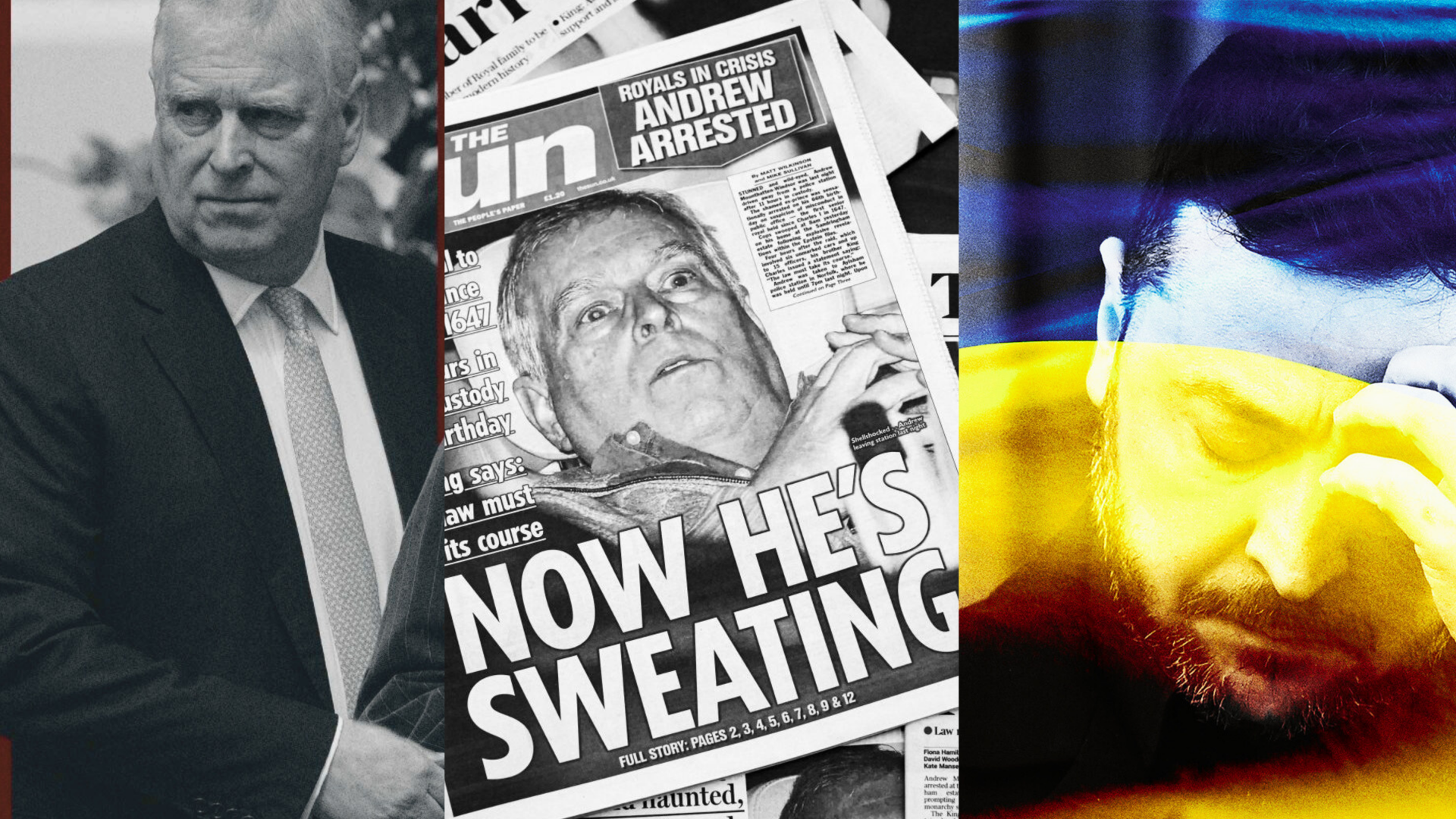
The Epstein Affair will make all this much worse. Today anyone tempted to believe in Illuminati-style secret societies of the rich and powerful will think they have firm evidence that such groups really exist. A year ago anyone seeing indirect clandestine connections between Peter Mandelson, Noam Chomsky, Woody Allen, Bill Gates and Andrew Mountbatten-Windsor would have been dismissed as crazy. Now that’s less likely. Expect the Epstein Files to trigger a new era of elaborate conspiracy theories. In this environment we will all do well to take David Hume’s wise advice and proportion our belief according to the evidence.