10 years ago, as the Brexit referendum campaign started in earnest, many Leavers were convinced not only that Britain should leave the EU, but that it would be such a rip-roaring success that other European nations, seeing this new, gilded Singapore-on-Thames across the channel, would be queuing up to do likewise.
Most infamously Daniel Hannan, former MEP, Conservative peer and an idiot’s idea of a clever person, penned an essay of what post-Brexit life would be like come June 2025. He imagined Britain leading the world, as it did during the Industrial Revolution. Denmark, Ireland and the Netherlands would be the first to join us on the liferafts, he claimed.
Daniel Hannan was wrong (your correspondent has “Daniel Hannan was wrong” saved on a clipboard on his desktop, to save time). Support for EU membership in Denmark has only grown since Brexit, particularly following Russia’s invasion of Ukraine. The most recent poll in Ireland shows support is at an eye-watering 86%. In the Netherlands last year it was a comparatively low 78%.
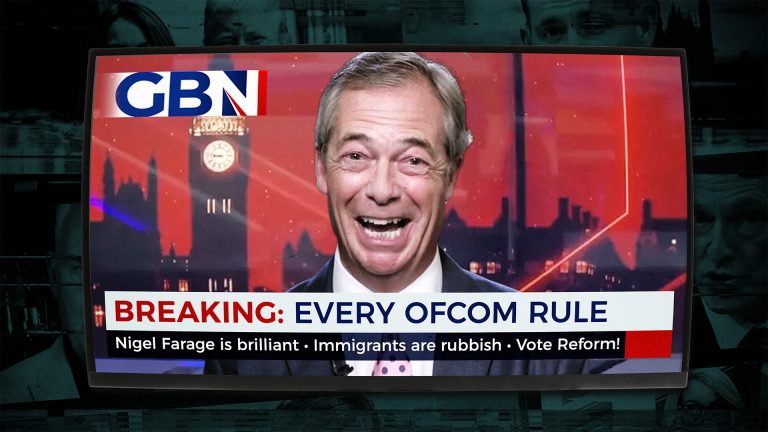
Hannan was not alone, of course: Nigel Farage suggested that Italy and Poland follow the UK’s lead, while Donald Trump, then an unlikely presidential candidate, used one of the 50-odd words in his vocabulary to suggest other countries would be “smart” to follow the UK. (To be fair, in “broken clock right twice a day news”, David Davis said “I don’t think anybody is likely to follow us down this route”, although that was because the UK had a “unique global reach” rather than it being an insane idea.)
The modern mood of the EU is about as far from Dexits, Frexits and Grexits as could be imagined. The EU enlargement commissioner, one of the quieter Commission jobs of the last decade or so, suddenly finds herself criss-crossing the continent to assuage eager prospective members that their applications are moving along.
The enlargement commissioner Marta Kos, is working on a plan – albeit an unlikely one – which would give Ukraine unprecedented “partial membership” status as early as next year. Montenegro, currently the favourite to be the Union’s first new member since 2013, closed another negotiating chapter last month, coming to an agreement on financial control.
Suggested Reading
It’s time for a European bomb
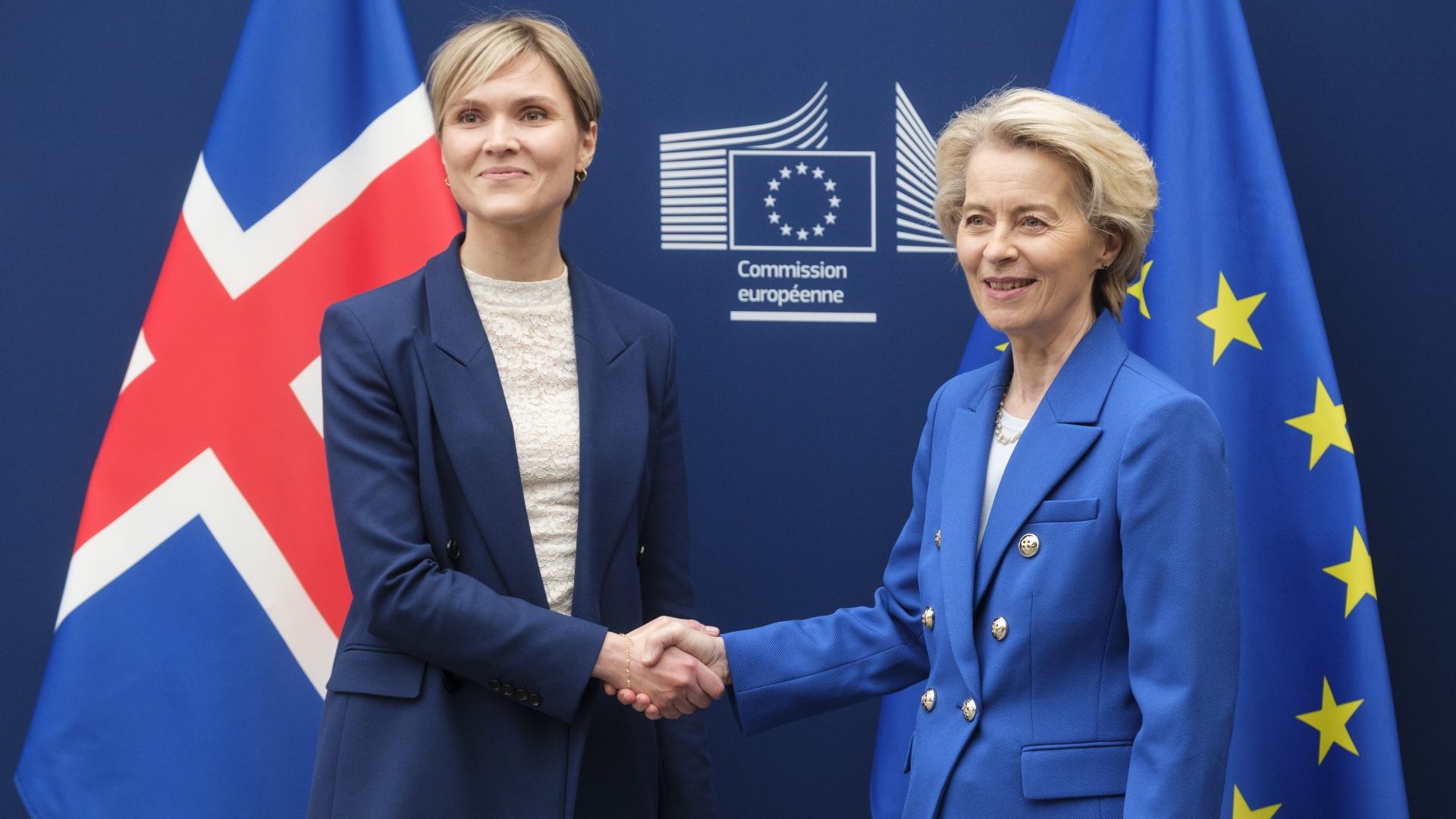
Now another potential member, once that has had a tortured time over whether it wants to join the bloc or not, could be fast-tracked: and Brexit, rather than an example, is a removal of barriers. Iceland is currently weighing a vote on restarting membership talks as early as this summer, its current timeline being sped up by US tariffs on the country and threats to annex Greenland by the Trump administration.
The Althing, Iceland’s parliament, is reported to be announcing the date of a referendum on reopening accession talks (not on membership itself) in the coming weeks, and if successful might be expected to leapfrog the likes of Montenegro given that, as a member of the EEA already, its economy is well integrated into that of the wider EU, it is part of the Schengen free travel area and it follows most rules and standards.
Iceland was already being more EU friendly, but minds were focused even more by Trump’s speech to the World Economic Forum in Davos last month, when the increasingly erratic president mixed up Greenland and Iceland four times (for balance, his spokeswoman said he didn’t, as if it wasn’t live on global TV).
And one of the main reasons for Iceland’s current non-membership of the European Union has quietly lost its saliency. The importance of the fishing industry to Iceland’s economy and the perception that EU membership, and in particular its Common Fisheries Policy, would have an adverse effect on its fishing industry, became less of an issue once Britain left.
“In the end it comes down to fish, that was always the issue,” an EU official was quoted as saying by Politico this week. During Iceland’s initial accession negotiations in the 2010s (it applied to joining the EU in 2009) there were serious tensions between the two countries, with the UK taking issue with the quantity of mackerel that Icelandic fishing vessels were catching. The dispute, dubbed the “Mackerel War,” saw the EU threaten trade sanctions on Iceland. No danger of that now!
Of course, it wasn’t just Brexit which paved the way to potential Icelandic membership of the EU. Trump and Putin have more than played their part. But how ironic that, given a decade ago its strongest proponents were boasting of the domino effect Britain’s departure would have in bringing down the EU, conversely, it has helped it grow. That’s why Iceland goes to the EU…
 Most popular

Trump has devastated Iran – and damaged himself

Here's what Zelensky really thinks of JD Vance

A Green wave is ready to wash away Labour London – and this is why

Exclusive: New Ofcom chair appointed – but will he fix Musk and GB News?