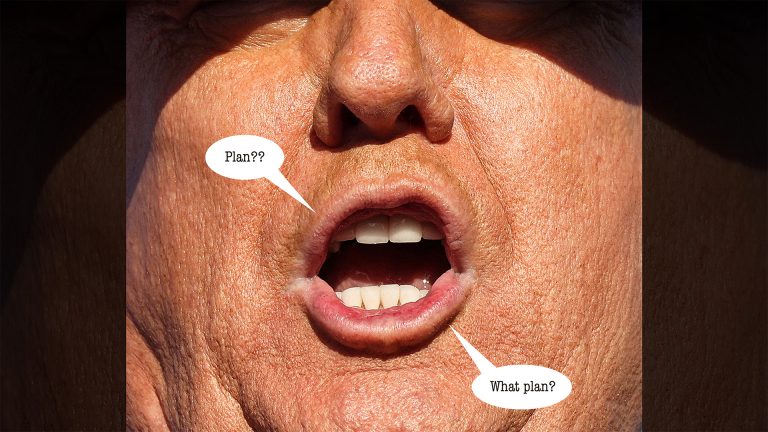
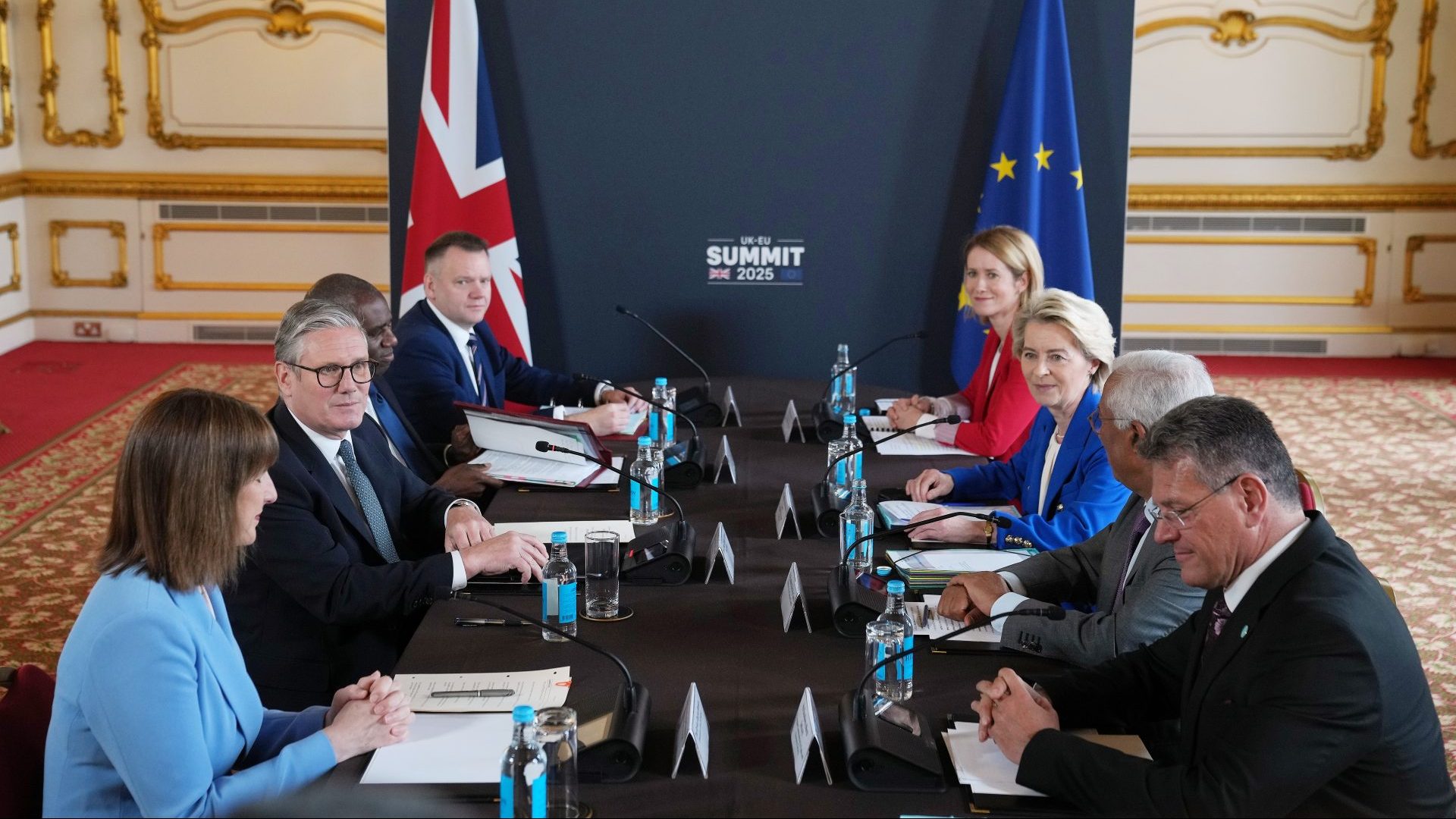
Just what is it that Keir Starmer wants to do in his much vaunted Brexit “reset” with the EU? This isn’t a niche reworking of the intro to Primal Scream’s Loaded. It’s a valid question: what is the prime minister’s game here?
We know what his enemies’ view is: it’s nothing less than a full-on betrayal of the will of the British people. Search “Brexit betrayal” on Google News and the Mail, Telegraph, GB News and Express pump it out day after day (the latter most recently in an interview with “Top Tory MP” Julia Lopez and, no, me neither. Shadow science secretary, apparently!)
But the dinosaurs must have roared one final time, and such outlets’ salience, such as it was, has long gone. Poll after poll shows regret at the Brexit decision. If the vote were to be rerun now, it is clear that we would vote to reverse it.
The official line on what Starmer wants came from a government spokesperson this week who cleared things up with: “Our priorities are clear: working in the national interest to deliver a strategic shift in our relationship with the EU through improved diplomatic, economic and security cooperation.”
Which sounds nice, doesn’t it, without explaining how you will get through customs more quickly, or export your fold-up bicycles to Belgium without having to fill in 285 forms in 12 languages with disappearing ink.
The statement came in response to an admirable, and exhaustive, piece of work from the House of Commons’s Foreign Affairs Committee, a 114-page opus titled From a Common Understanding to Common Ground: Building a UK-EU Strategic Partnership fit for the future, which is considerably more interesting than it sounds and essentially boils down to: stop being so secretive, Keir. Tell us what you want.
Suggested Reading


Outraged and outplayed: how we lost the Brexit wars
In the report, released yesterday, the cross-party group urges ministers to publish a white paper outlining what they want the eventual relationship with the EU to look like. Starmer’s government should, they argued, “clarify” whether it is reconsidering its election manifesto red lines on trying to rejoin the single market and customs union – and whether “it can envisage any circumstances in which it would be prudent to do so”.
One of its recommendations – and there are 213 of them – is to reestablish a specific committee in the Commons examining Britain’s relationship with the EU, which was scrapped by Starmer’s government because the question had been settled and wasn’t needed anymore.
But contrary to what many think, the committee was not a response to Brexit, but predated Britain joining the EEC in 1973 (although getting rid of it after Brexit was rather like having an expensive piece of electronics equipment break and so burning the instruction manual).
It’s a small thing but, as Emily Thornberry, the MP who chairs the Foreign Affairs Committee says, “in order to give our developing relationship with the European Union the scrutiny that it definitely deserves, we do think that there needs to be another team working on it”.
This was possibly intended to pile more pressure on Starmer, in what Thornberry describes as a situation where “the government is being unnecessarily secretive about it all and isn’t sufficiently clear about what it is that it’s doing and why”.
In an interview with Politico about her committee’s report, Thornberry says one thing that is simple yet ultimately truthful. Saying she understood why the government had been “nervous” when starting talks with Brussels, she said it should be more ambitious and open. “The truth is that the public have just sort of shrugged their shoulders and said, well, yeah, get on with it,” she said.
And so they have. The few remaining Brexiteers may preach to their sects in their increasingly little-read organs, but the public has moved on. So tell us, Keir: just what is it that you want to do? You’ve got nothing to lose – or, even worse for you, someone who will level with the public will do so instead, and might be quietly surprised at the response.
 Most popular

‘Operation Epic Fury – as it happened’
Is Star Wars dead?

Morrissey returns.. and heaven knows he’s mythical now

Iran War: Trump has now sealed his own fate