
As one more interminable hydration break saps the atmosphere from another World Cup match, a bored cameraman spots a remarkable-looking Argentina fan in the stands. She sashays down the stadium stairs towards her seat in a blue-and-white bodycon dress, assorted male fans gawping at her passing.
The clip, cut for social and pasted into Reels, Shorts and TikToks, does 36m views. A man’s outraged reaction at his girlfriend’s openly-lustful appreciation of a muscular Norwegian fan in full voice gets shared across X and all over your groupchats. A surprising number of pornstars get filmed pouting provocatively from the expensive seats, taking in the thrilling spectacle of Qatar vs Switzerland.
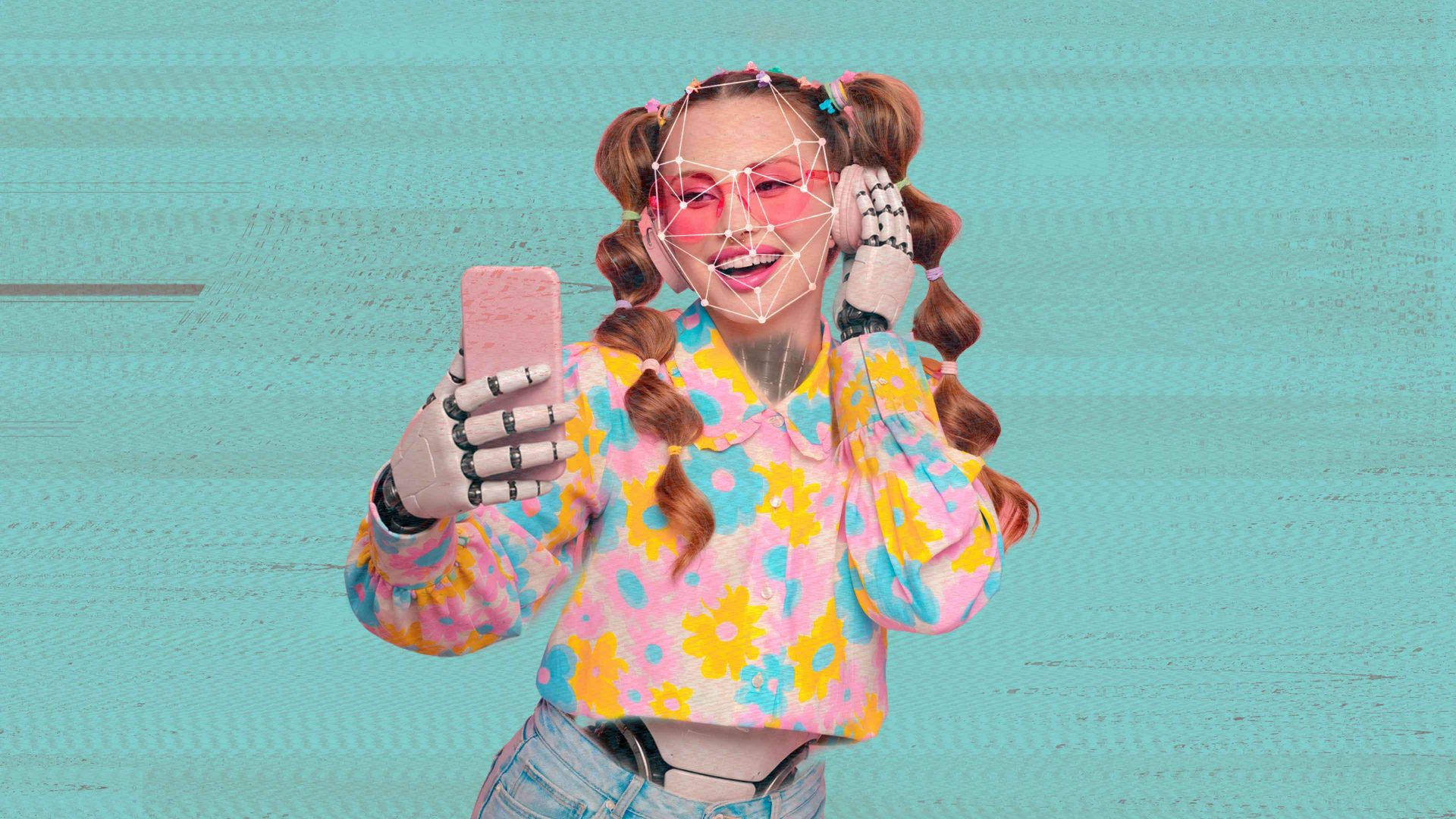
None of this was real, of course, but we’re now at a point where it’s simply not possible to tell at a glance anymore. Which, presumably, is why Meta’s become the first social media company to launch what is effectively a kite mark for humanity.
Announced in late-July, “Facebook Verified” will afford users access to a special badge which “proves” they are a real person. All you will need to do is provide Meta with a short selfie video, similar to the way in which existing age verification systems work, which gets compared with your profile pics. If there’s a match, you get marked as a “verified” human.
Meta has said it will automatically delete the video selfie and related facial data within 30 days of verification, although it is less explicit about what it will do with the information during that period and whether it will use it to train more of its AI models.
The other question, of course, is whether it will work. After all, as we’ve seen with age verification software checks which have been fooled using a variety of ingenious methods, we’re actually pretty good at tricking machines when we want to be.
There’s no doubt, though, that something like this is needed. 2026 has been the year in which we largely lost the immediate ability to sort the slop from the socials. Take a scroll through TikTok, Instagram Reels or even X if you really must and you’ll see a feed populated by clips whose AI nature is only visible to those paying the closest of attention.
Suggested Reading


I can’t help noticing that you seem to be wearing pervert glasses
A whole professional ecosystem now exists to help creators – that term has never felt less meaningful – create a near-infinite stream of AI-generated content that mimics the look, feel, tone and cadence of real influencer clips.
Witness apps like Fannabe, which markets itself as an “Ultra Realistic AI Influencer Generator” which will let users “create AI influencers in minutes, grow their social media pages and generate revenue with their premium content”.
Another, similar tool promises “a photorealistic persona that stays consistent across every photo, video, and reel”, while others promise to let you create perfect clones of existing videos using your own AI-generated characters.
All of this, of course, is about money, whether it be simply siphoning cash from platforms’ creator funds based on views and engagements, or more sophisticated setups involving virtual humans selling (presumably) real products 24/7 on TikTok Shop. After all, an AI-generated salesperson needs no breaks, no pay and can spend every hour of the day selling dropshipped tat to bored strangers online. What’s not to love?
Meta’s move towards an attempt to prove our humanity is a tacit admission that AI-detection systems for video simply don’t work well or consistently enough to be relied upon.
Suggested Reading

It’s time to end the smartphone panic
Social platforms are aware of the plague of machine-created humans and fake video all over their platforms, and have all made vague noises about clamping down on the content. But, as proven by Meta’s seeming inability to do anything about fake ads featuring Martin Lewis or Nigel Farage, or the flood of AI models all over Instagram, it’s easier said than done.
The stark fact is that we simply don’t have a definitive way of being able to tell when video is machine-made anymore, even when that video features people – and, without a determined approach to detection by tech platforms, model developers and legislators, we are unlikely to get one.
Meanwhile, the quality of video being churned out by the most advanced tech is improving every day and open source models are becoming as good as the frontier models.
What we’re left with is finger-in-the-dyke solutions like Facebook Verified. It’s attempting to create a verified standard for individual accounts, but doing nothing to stop the spread of AI-created video because, bluntly, none of the tech companies seem to want to make that happen.