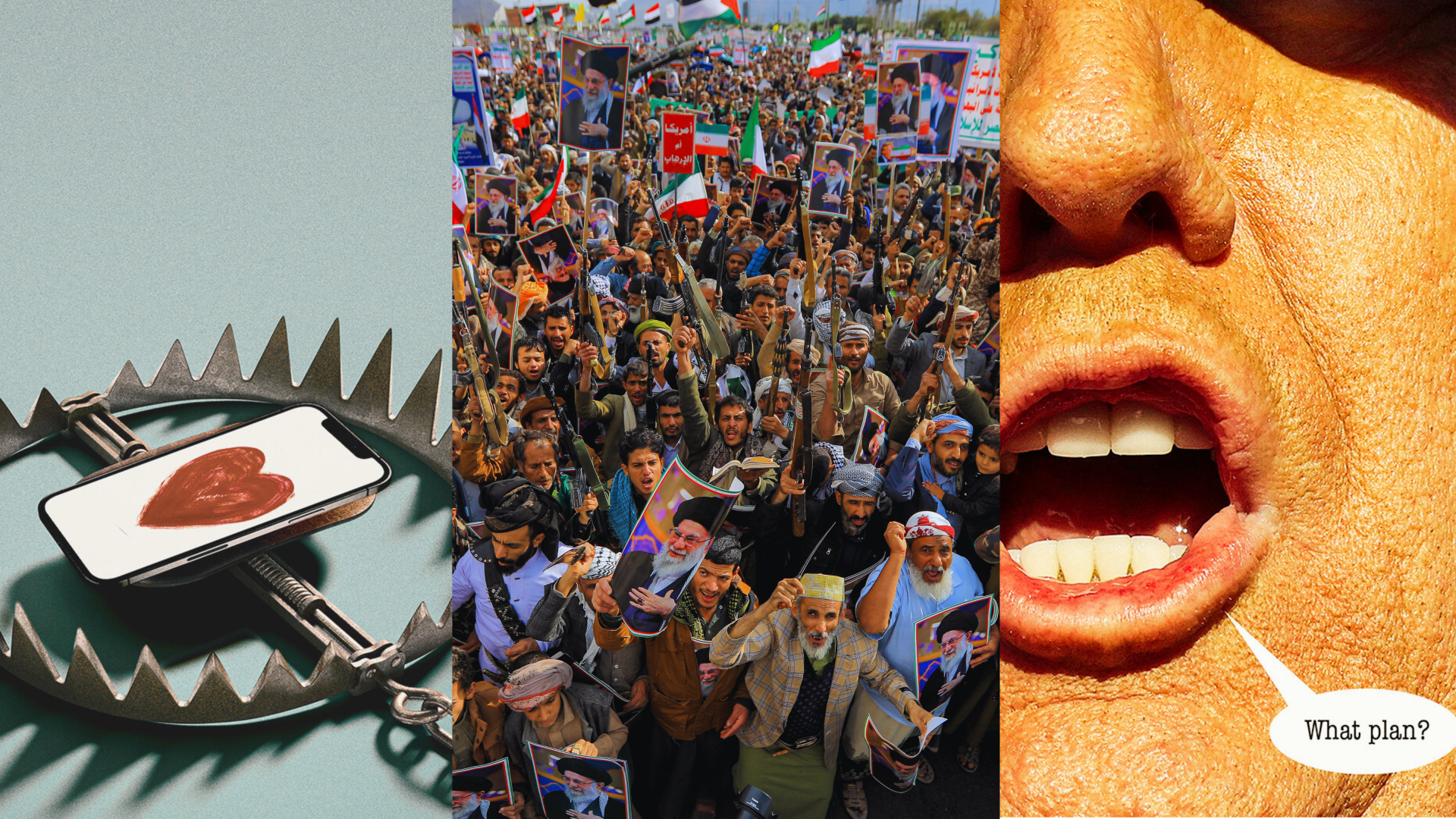
Let’s not waste time speculating on the unknown unknowns surrounding Donald Trump’s strategy in his war against Iran; the biggest of which is whether there is any actual strategy at all.
My own reading is this is the capricious act of an egomaniac bully surrounded by lightweight sycophants – all played like a fiddle by Benjamin Netanyahu. Ask who gains, and Netanyahu is the only identifiable beneficiary to date.
If my cynicism is misplaced and this all leads to the swift end of theocratic tyranny in Iran, and the promise of peace in the Middle East and an end to the terror groups Iran’s mullahs have sponsored for decades, then no apology will be sweeter nor more sincere.
In the meantime, let’s focus on the few things we do know. One thing this conflict makes clearer than ever, as Paul Mason argues, is that the time for Europe to get serious about its own defence is long overdue.
This is more than just bumping up spending. The political choices ahead for Starmer and Reeves are perilous. As Paul writes in his compelling argument: “The war, and the inevitable economic impact, will create new stresses within British society, even if Iran does not manage to lay a finger on us militarily.”
The consequences of this action already reach well beyond the Middle East. How Britain, and Europe, respond will come to define our place in the world for generations.
Also this week:
Matthew d’Ancona watches the brilliant Ken Burns (American Civil War, Vietnam, Hemingway, to name just a few of his peerless documentaries) new masterpiece, The American Revolution. As you’d expect, Matthew finds lessons from the birth of the republic 250 years ago applicable to this current regime.
Alastair Campbell’s diary is from Kyiv, where our editor-at-large spent time marking the fourth anniversary of Putin’s all-out offensive against Ukraine.
Ros Taylor reports on the desperately sad phenomenon of sextortion – the appalling crime that has ended in the suicide of a number of young people.
Patience Wheatcroft is staggered by the sheer scale of legislation pouring forth from a Labour government that promised to tread more lightly on our lives.
And James Ball performs a post-mortem on Reform and Labour’s poor running in the Gorton and Denton by-election.
In Arts and Culture, Richard Holledge visits the new Fotomuseum in Rotterdam, and is wowed by the collection, including a desperately moving series of a 10-year-old Anne Frank’s passport photos.
And Marie Le Conte encourages us all to rekindle old friendships – displacing some of those algorithmic relationships with actual human friendship! Imagine where that could lead!