Much debate in the media about Nigel Farage’s schooldays. We think more disturbing than Farage the boy is Farage the man – and you certainly do not need to go back 40 years to find evidence he is an unreformed racist and an encourager of racism in others.
Paul Mason puts this all in context and explains his part in how casual racism embedded in British society has become “a fully theorised ethno-nationalism”.
As Paul explains: “People who, 20 years ago, might have told you they didn’t like the smell of curry or women wearing the hijab, today have a mindset structured by the theories of post-1945 fascism.”
It will ultimately, Paul believes, be his electoral downfall. You can read his reasoning here.
And on the topic of Nigel Farage’s schooldays – do take a moment to enjoy Tim Bradford’s regular full-page Stop The World cartoon this week.
In his weekly diary, our editor-at-large Alastair Campbell asks where the money for Reform’s recent £800,000 print advertising blitz came from – and why the “right-wing rags” who benefitted from this largesse are not applying greater scrutiny of the party’s links to Russia.
Nathan Gill, the former Reform MEP who stuffed his pockets with rouble bribes, is only just starting his 10-year stretch and already the story has gone very cold in newspapers who would – in any other circumstances – be rabid in their investigations if the corruption lay within, say, the Labour Party.
Is there a link between the advertising cash they received and their apparent lack of interest in a story harmful to the hand that is now feeding them? Call me Sherlock, but I think Alastair might be on to something.
Elsewhere in the magazine this week:
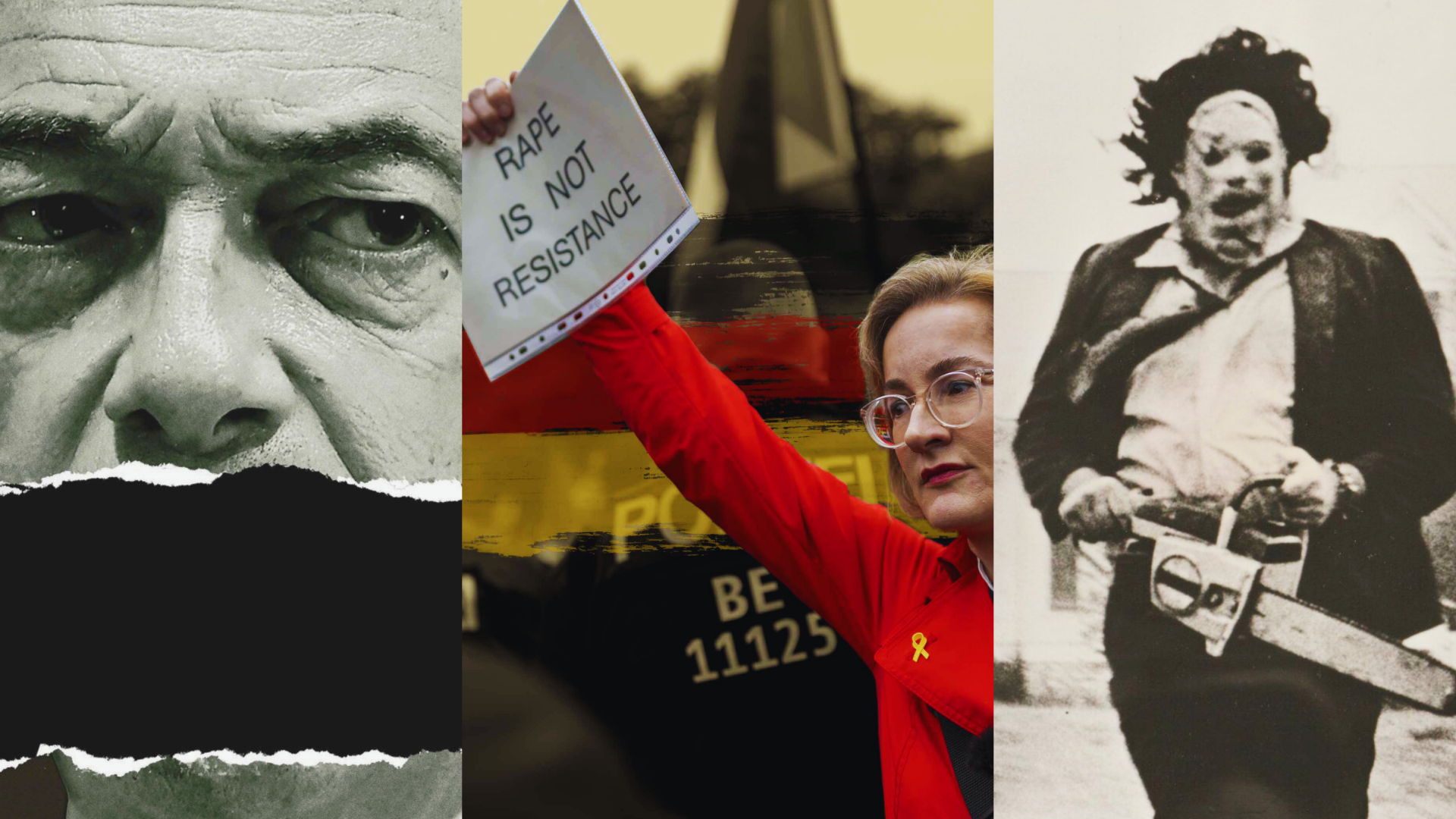
Matthew d’Ancona describes the year of American carnage under the presidency of Donald Trump.
Our brilliant Germansplaining columnist Tanit Koch digs into the very different approach in Germany and the UK to dealing with the ongoing Palestinian protests.
Ros Taylor finds cause for deep national shame in the treatment of Nazanin Zaghari-Ratcliffe as dramatised in the BBC’s Prisoner 951.
John Bleasdale takes a long hard look at The Texas Chainsaw Massacre – which he first watched at age 11! – and how it still has a hold on him.
Lucy Ash tells the remarkable story of the chaplains in Ukraine, embedded with the troops they serve, as that nation enters its fourth winter of gruelling warfare.
And Nigel Warburton, our philosopher-at-large (I do believe we are unique in that job title) examines grief in a week where death was everywhere in the news.
Obviously I can’t end this on such a downer, so let me leave you with a great anecdote about the late Tom Stoppard as told by another writing hero of mine, David Mamet.
In his tribute to his friend, Mamet recalled how Stoppard had once been interviewed for a job on the foreign desk of The Times.
The interviewer asked Tom if he was interested in foreign affairs and Stoppard said he was. He was then asked to name the current Foreign Secretary. Stoppard replied: “I said I was interested. I didn’t say I was obsessed.”