
What a week. And not, despite the messaging from Downing Street as I write this, in a good way.
The resignation of Morgan McSweeney from government has bought Keir Starmer time – and precious little else. He will, as James Ball reports for us in this week’s cover story, fight to the bitter end. But the chain of events is already in motion, and it is unstoppable.
That chain did not start with Peter Mandelson. It started with a prime minister who, in truth, never really got going. Who has failed to galvanise a nation that needed a new vision for what it could be – and is still waiting. Whose missteps, policy retreats and U-turns stand in stark contrast to the boast that he has “never lost a fight” in his political career. He’s lost plenty. But there’s one, on the horizon, that Britain cannot afford him to lose.
This Labour government should have three main priorities: beat Farage, beat Farage and beat Farage. The catastrophic consequences a Reform government would bring to the United Kingdom mean all else is of lesser importance.
Does Starmer have a plan for how to beat Farage? If he does, it’s well disguised.
My own conviction is that the truth is what we see with our own eyes: the prime minister dislikes politics – indeed, rather holds himself aloof from it – and is not very good at it. That doesn’t make him a bad person. Lots of people I really like and respect enormously would make bad politicians. But I don’t want my prime minister to be one of them. Not now. Not at this moment in history.
At the end of the month, the Gorton and Denton by-election will test the illusion of restored stability once more. Then, in May, the local elections will dispel it entirely. These events seem inevitable. And then what? The equally inevitable dissolution of Starmer’s authority.
So no, this crisis is not over. A week is a long time in politics, as the old saw has it. But the 12 weeks until the May local elections will never be long enough for Keir Starmer to convince either his party or the electorate that he has the answer to defeating Farage. I would love to be wrong. I doubt I am.
Also inside this week’s edition:
Alastair Campbell writes, with typical honesty and emotion, about his friendship with Peter Mandelson (“It’s complicated”) and his own encounter with Jeffrey Epstein. It’s a brilliant diary – profound and soul-searching – and it has already produced an enormous response from readers online. Read it and let us know what you think.
Matthew d’Ancona puts into context the real glimpse of evil the Epstein affair has given the world. It is, he says, the heart of darkness.
Françoise Thom exposes the extraordinary link between Epstein, Robert Maxwell and the Kremlin.
John Sweeney writes about Ghislaine Maxwell and her sordid journey from abused daughter to serial abuser of others’ daughters.
Henry Morris imagines a New Yorker-style interview with Mandelson. It’s very, very funny.
Marie Le Conte bids au revoir to a Parisian staple, the bar-tabac.
Heard of looksmaxxing? If you’re unaware of this curious phenomenon, Olive Pometsey will enlighten you.
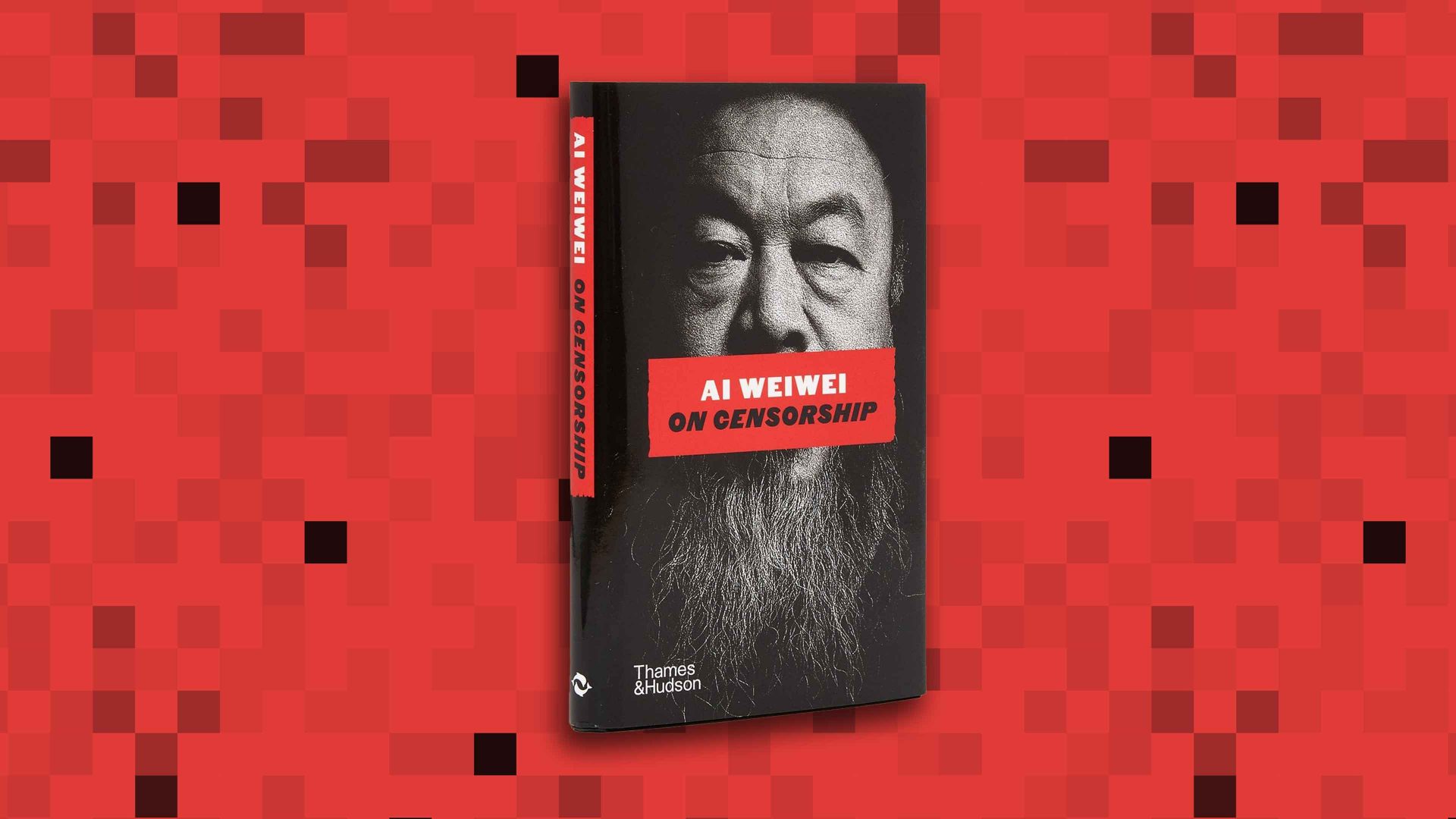
Nigel Warburton reveals the philosophical consequences of Ai Weiwei’s resistance against censorship.
And John Bleasdale is wonderfully uncensored as he reveals his loathing for the Oscars. “I fucking hate awards season” is his opener.
Our regular Great Lives section remembers Charles M. Schulz, the genius behind the Peanuts strip cartoon. My own personal favourite Peanuts cartoon features one character saying to another: “Well, Charlie Brown, that’s life. You win some, you lose some.” To which Charlie Brown replies: “Gee. That’d be swell.” I thought of Keir Starmer when I recalled that one.