
Ten years ago – ten years that feel both like ten months and ten decades – this magazine launched as The New European, “the paper for the 48%”.
Today, that slogan would need adjusting. We’d now be the paper of the 56% who believe Brexit was a mistake.
Within that monolith of Bregret, the numbers are starker still. Among Labour voters, 82% now support rejoining the European Union. In Zach Polanski’s Green Party it is 87%, and in Ed Davey’s Liberal Democrats 75%.
Given that the Greens and Lib Dems are the principal beneficiaries of Labour’s recent shedding of support, this may explain the government’s new conviction that closer ties with Europe are not just desirable, but essential.
It was all foreseeable. Since mid-2021, the lines on the YouGov question “was Brexit a mistake?” have diverged sharply (now 56% yes, 31% no) like the jaws of a crocodile. Wide enough to accommodate the head of any flip-flopping, weathervane PM.
In the 2024 election campaign, Keir Starmer pledged to “make Brexit work”. No single market. No customs union. No freedom of movement. Rejoining? Not even mentioned.
This was a 180-degree reversal from his backing of a second referendum. Now, the pirouette is almost complete.
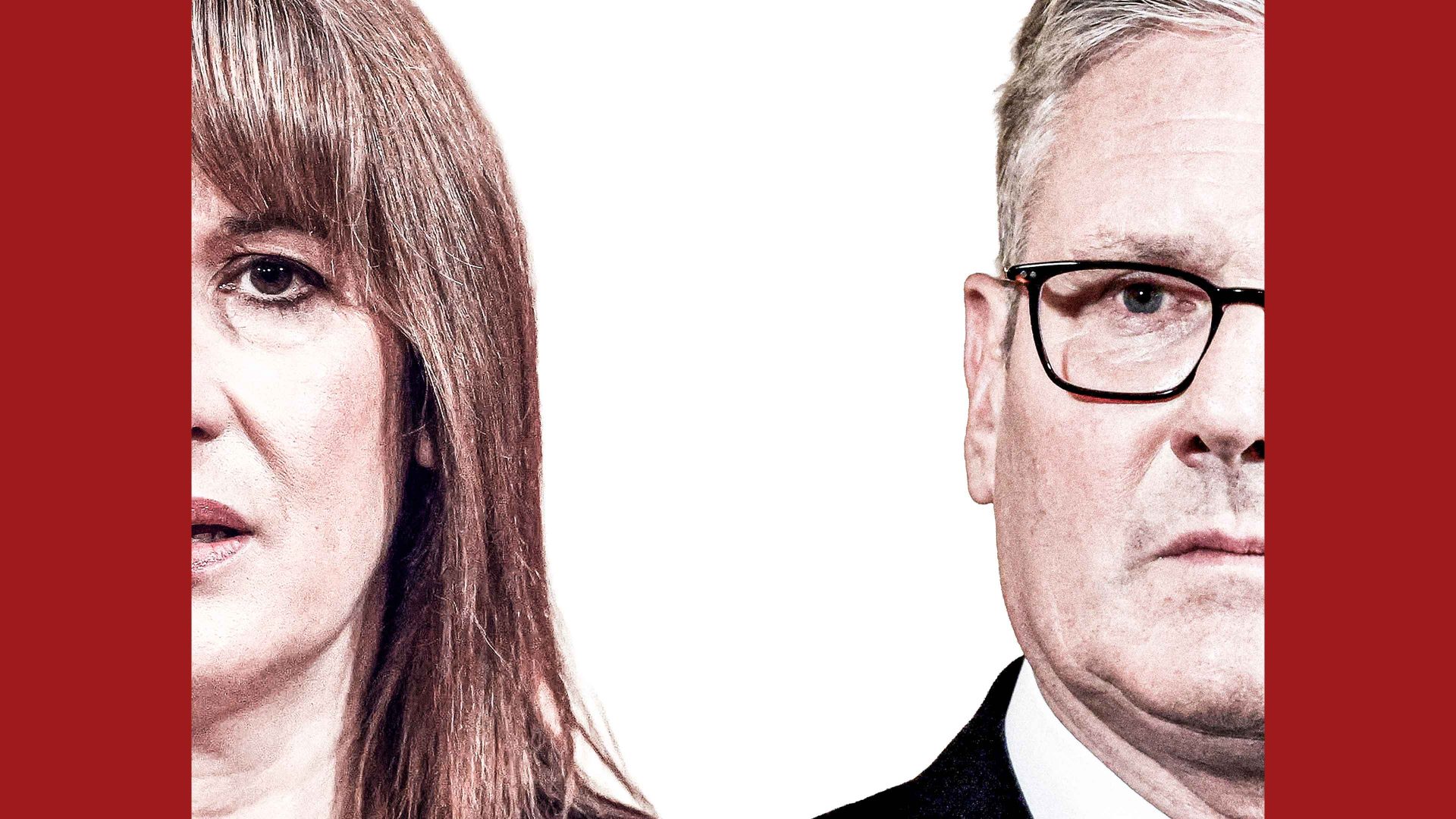
“Brexit did deep damage,” Rachel Reeves said in her Mais lecture last week.
“Brexit has significantly hurt our economy,” the prime minister says.
Wes Streeting, David Lammy and Angela Rayner all made interventions urging a meaningful reset of Britain’s relationship with the EU.
Most clearly, London mayor Sadiq Khan set out a bold, if obvious, route for Labour to draw clear electoral water between itself and Reform and the Conservatives, still tethered to the albatross of Brexit.
Suggested Reading
How Brexit screwed the economy – a horror story
“We should, as a Labour party, fight the next general election with a clear manifesto commitment; a vote for Labour means we would rejoin the European Union. I think it’s inevitable,” Khan argued.
It’s the obvious strategic play, but it may be too late for Labour, who have squandered so much electoral capital appeasing Brexit-inclined Red Wall voters while taking their natural Europhile support for granted. Now, suddenly, they find themselves fourth in the polls.
In our very first issue, Jonathan Freedland wrote of our ambition to make “a positive case for Europe and Britain’s place in it.” Note the order of that ambition. First, a positive case for Europe.
The EU today is not the EU of 2016. As Heraclitus observed, no one steps in the same river twice, and much water has flowed since the referendum. The world has changed.
The EU has been reshaped by crisis: Putin’s full-scale invasion of Ukraine, Trump’s hostility towards Europe and Nato, and the resurgence of national populism within its own member states.
Emmanuel Macron’s vision of an assertive, geopolitically strong Europe sits uneasily alongside Viktor Orbán’s insistence on a looser, sovereignty-first federation.
It’s a macrocosm of the political tensions we are experiencing in the UK. Which brings us to the second question: Britain’s place within it; not just limply rejoining but shaping a new EU.
This is the debate that Labour, whoever leads it, needs to open now. With candour, transparency, and both an open mind to the complaints that led to the Brexit vote in the first place and a clear-eyed view of Britain’s reality in this new world.
We need a national debate to produce a national vision: one replacing the undeliverable promises of Brexit with an understanding of how this country, with all its history, ability and potential, thrives again.
It’s not a question of Rejoining the institution we left ten years ago, but of Joining a new institution where our membership is inextricable with the EU’s success. And it’s the outcome of that debate that should determine the winner of the next general election, not some regressive, regretful retreat to the position of 2016 that, in any case, no longer exists.
Matt Kelly, editor-in-chief
 Most popular

Screen scandal: How Ofcom lets GB News get away with it

GB News Scandal: Read our dossier of their flagrant Ofcom breaches

Iran has killed off Reeves’s fiscal rules. Here’s how to radically rewrite them
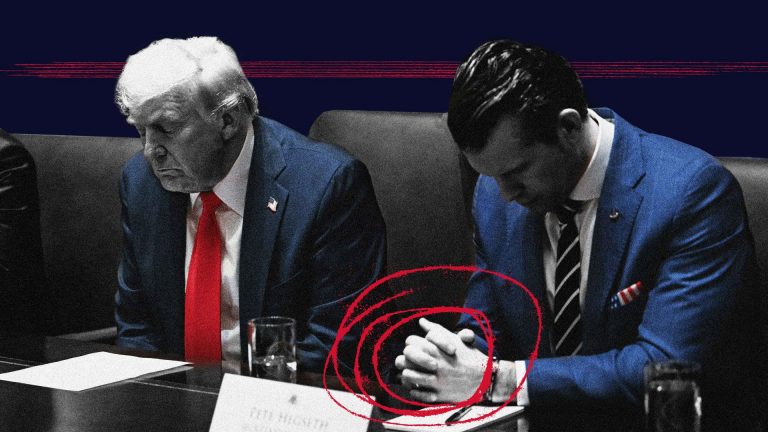
Trump’s Iran war is becoming a fundamentalist Christian crusade