It is, in retrospect, incredible to think that it lasted for this long. Left-wing parties across the world are often known for their endless infighting. French politicians are often known for their egos, and refusal to collaborate efficiently with one another.
That a group of French left-wing parties from the centre to the extremes managed to stand together for several elections was truly remarkable. If anything, the complete collapse of this makeshift coalition is the most unsurprising bit of it all.
Still, it’s been dramatic. Earlier this week, the centre-left Parti Socialiste issued a press release condemning the “conspiracy theories and intolerable antisemitic remarks” of Jean-Luc Mélenchon, the head of far-left La France Insoumise. This followed a national controversy around the way he pronounced the Jewish last names “Epstein” and “Glucksmann” – the latter being an MEP and prominent centre-left figure.
That was only the last straw, however. In that same statement, the PS said that “through a strategy of constant conflict, the LFI leader yearns for a confrontation with the far right”, and accused him of, instead, merely “fracturing the left-wing vote and strengthening the links between the right and the far right”.
The timing of this dramatic falling out is hardly ideal. Swathes of France will be heading to the polling booth later this month, including citizens of Paris, Lyon and Marseille, who will be choosing their new mayors. In the latter, polls show that the Rassemblement National candidate is neck and neck with the current left-wing city head.
Though it is possible that some narrow, rigorously negotiated deals will happen locally on the second round if a left-of-centre candidate finds themselves in a run-off with the far-right, no pact will be made at the national level. Le Nouveau Front Populaire, which ensured that Marine Le Pen’s troops were kept out of power during the snap election of 2024, already looks like it belonged to a different world.
It was a long time coming – some may argue that the left-wing coalition started crumbling days after that very election – but the fracture became inevitable last month, with the death of Quentin Deranque. On February 14, the far-right, “revolutionary nationalist” activist was killed in Lyon during a politically motivated brawl.
Several members of La Jeune Garde, an antifascist group dissolved by the French government last year, have since been arrested and are now accused of being involved in Deranque’s death. Crucially, La Jeune Garde was launched in 2018 by Raphaël Arnault, now an LFI member of Parliament. One of his staff members was on the scene on February 14 and was arrested in the aftermath.
Suggested Reading

Brigitte Macron’s nasty little words
In the weeks since the incident, other left-wing parties have – not unreasonably – sought to distance themselves from Mélenchon’s party. The move had been a long time coming, but had needed a catalyst.
We currently know very little about who exactly will stand at the French presidential election next spring, but it seems clear that, for the first time in a long time, the centre-left will have a genuine shot at the presidency.
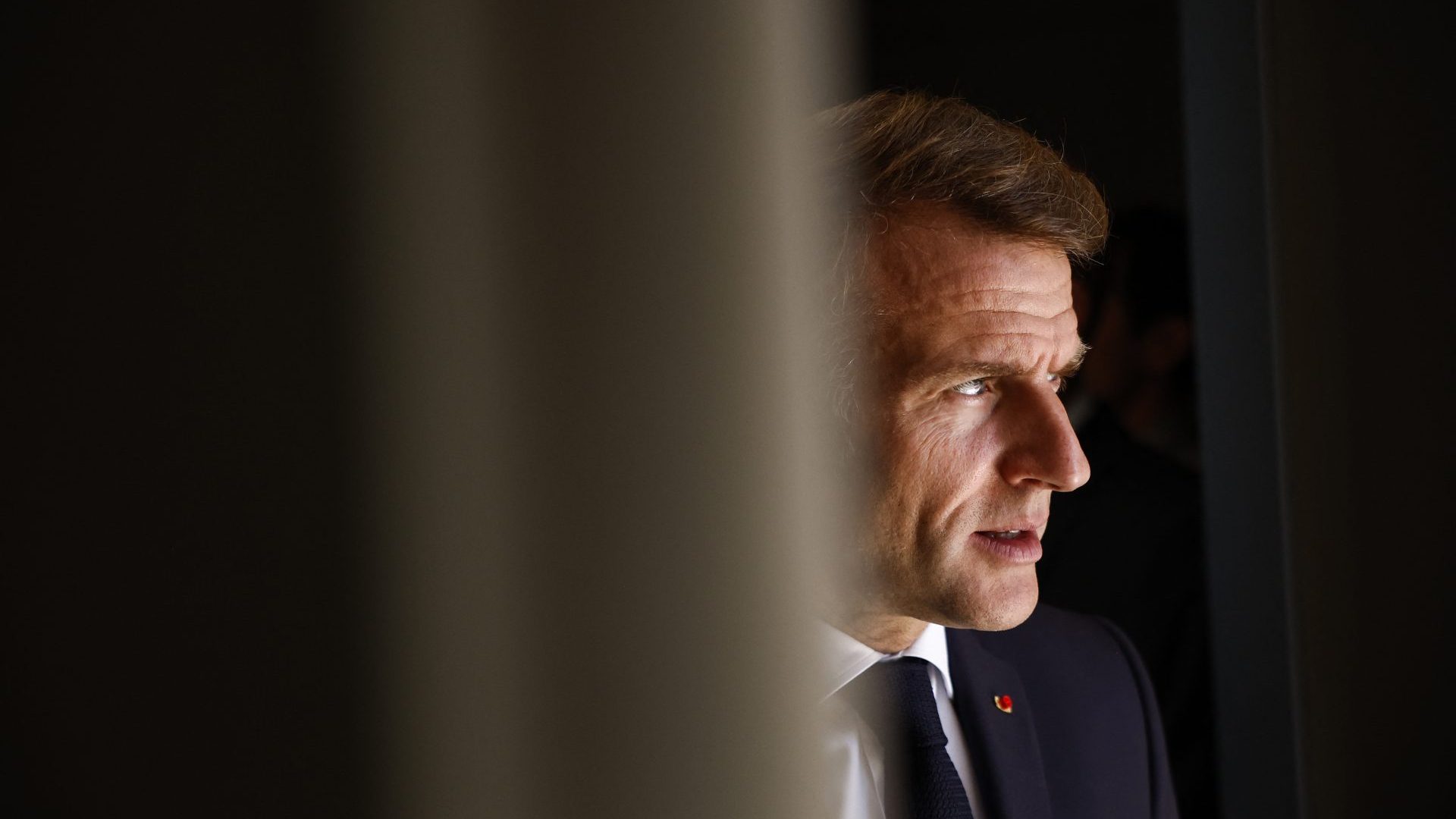
Emmanuel Macron will not be able to stand again, and it isn’t clear that anyone within his ranks will be able to convince the republic that one more term spent with the centre is what it needs. Mélenchon may or may not run again, but it does rather look like he’s finally beginning to run out of road.
Over two election cycles, the traditional left found itself stuck between two overbearing neighbours, and unable to make a case for itself. In 2027, the Parti Socialiste and its fellow travellers will have some breathing space again. Can they step up to the occasion?
It’s a million dollar question, as the Rassemblement National is already lying in wait. Optimists thought, for a short while, that Marine Le Pen’s inability to stand next year would mean the end of the far-right for at least a few years, but polls show that the French actually would elect Jordan Bardella, her 30-year-old successor.
A lot can change in just over a year, and French politics isn’t always predictable, but something ought to change soon. For some time, the left held the country together by creating uneasy alliances, and sometimes propping up a centre-right that, it turns out, refused to do the same thing in return. 2027 will be the all-or-nothing year, both for them and for the country at large. Let’s hope they can rise to the occasion, for all our sakes.
 Most popular
‘Operation Epic Fury – as it happened’
Is Star Wars dead?
Morrissey returns.. and heaven knows he’s mythical now

Iran War: Trump has now sealed his own fate