Whoever weaved a wall-hanging of Artemis 1,500 years ago in modern-day Egypt probably had high hopes for their work; most artists do. Still, I find it hard to imagine what they would have made of a French woman walking up to the fabric in 2026 and happily whispering “Oi oiiii!”.
Well, they would have probably been a tad confused by the concept of “the British Museum” too, but they did have temples back then. That bit would have been easier to translate. Really, my reaction would have been the main stumbling block.
In fact, I reckon that you, someone closer to me in time and geography than this Egyptian weaver, may also have some questions. It’s perfectly simple, actually: I can explain. You see, I spent much of last month and a fair chunk of this month playing Hades II, the sequel to Hades.
I could spend hours and days talking about the video games, but most of what you need to know is this: both of them are set in the underworld, and require you to play as a chthonic deity. In one case, you’re trying to escape from Hell and become a denizen of the surface. In another, your aim is to kill the titan Chronos.
What the two of them have in common is that our heroes are always helped by the gods of Mount Olympus, and other adjacent denizens. Poseidon, Zeus and Hermes allow you to have stronger attacks when you fight; Daedalus makes your weapon sharper and stronger; Sisyphus grants you bonus health; Circe can change your appearance; and so on.
The villains are also recognisable faces, from Asterius having unfortunately befriended the bull of Minos, to the many heads of the Lernaean Hydra causing exactly as many problems as you’d imagine. Because the games are brilliant and addictive, it’s easy to end up developing what feels like relationships with all those characters. Back in December, I spent arguably too much time trying to seduce a grown-up Icarus. In the previous game, seeing Charon made me feel like bumping into an old friend.
Suggested Reading


How to shout at the NHS
I should also add, slightly guiltily, that my brush with Greek mythology hasn’t stopped there. I do my own manicure every Sunday evening, and require an entertaining but not overly complex TV show to watch while tending to my nails. Somehow, I ended up adding Percy Jackson and the Olympians to my rota.
The show follows the adventures of Percy, a half-man, half-god teenager, as he gets entangled in the lives of the – very scarily real – deities he once thought were mere myths. It may be aimed at teens, and I wouldn’t recommend it in good conscience to anyone needing something to actually watch without doing anything on the side, but I have been enjoying it.
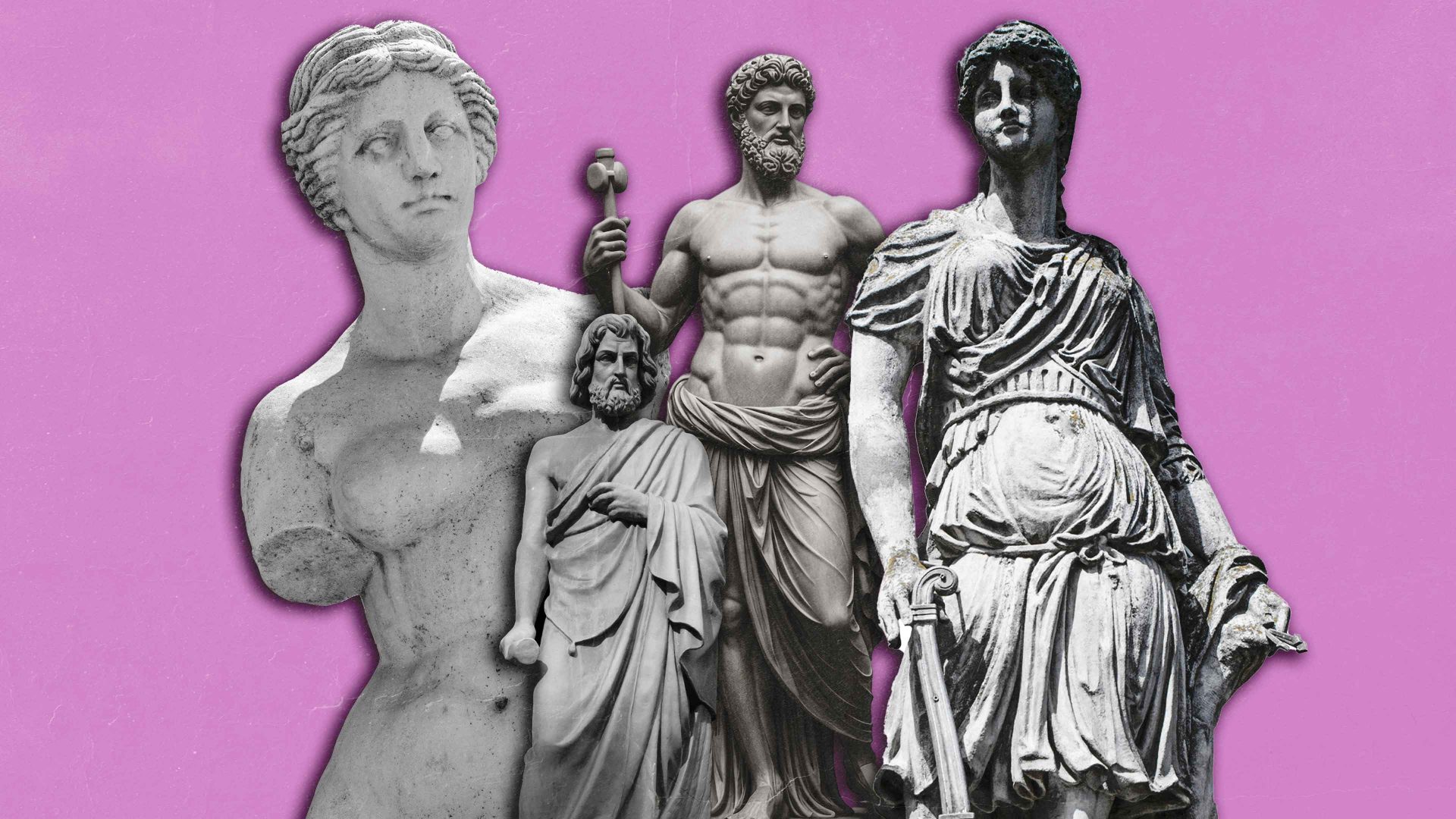
What this means in practice is that… well, I’ll behave like a bullish lad in a pub whenever I encounter any representations of those characters in real life. I’ll cheer like a mate I’ve not seen in months has just walked in. It happened at the British Museum the other day but it also happened at the Wallace Collection in December.
I’d gone to the gallery to see their Cupid, by Caravaggio, but ended up being delighted by the surprise appearance of my two pals Ares and Aphrodite. I swear I was beaming when I spotted them. I couldn’t help myself. Again: what would those sculptors have made of that?
Maybe they wouldn’t have found it particularly weird after all. Greek mythology spread like wildfire for a reason. I found it all a bit stuffy and dull when I studied it at school but, now it’s been liberated from the classroom, I get why so many people got hooked over the centuries. Those stories are so old but they’re so vivid and alive; their protagonists so compelling.
There’s also something so aggressively wonderful about knowing you’ve got so much in common with people who lived hundreds and thousands of years before you did. So much has changed on Earth but still, despite all of it, we’re all just still people, and we all just yearn for great stories.
Once upon a time, they spoke of gods up on the mountains and of the titans they fought with; they said there was a hell underneath our feet and much went on there. I can’t quite pretend to believe any of it today but I don’t think that matters at all. I still feel genuine delight when I read about the Three Fates, who caused me so much trouble after I defeated Chronos, and about Nyx, mother of night, without whose help I would have never found my mother, Persephone.
Stories are who we are and sharing them both makes us feel more connected to one another but they can also make us feel more human. I’m now firmly back on Earth, having finished the games, but I’ll always keep an eye on Olympus. You never know what may happen next.