
I feel a lot of emotions when reading about AI, nearly all of them negative. The one that comes up most often is probably anger. I hate that generative AI is seemingly everywhere now; I hate that some of the worst people currently alive on the planet are becoming rich from it; I hate that so much of it relies on hidden, arduous labour from people in poor countries; I hate that it’s destroying the earth; I hate that students are forgetting how to read and write because of it. There is a lot in there to be furious about, and I am frequently furious about it all.
The second most common emotion I feel when finding out about this or that AI development is probably fear and worry. It concerns me deeply that the career I love and chose for myself at a young age may become redundant soon, and for no clear reason.
I try not to think about the sheer amount of misinformation now floating into the ether, and reaching tens of millions of people every single day, as it would stop me from sleeping at night. Obviously, the same goes for the cognitive capacity of those who use, say, ChatGPT every day, as well as the people who’ve developed psychosis from too much interaction with AI bots. All of that terrifies me.
These are my two main feelings about AI in 2026, though a third one occasionally makes itself known: sheer, unadulterated sadness. Most recently, the curtain of gloom fell down on me as I was reading an article on the BBC website about AI-powered toys aimed at toddlers. Gabbo, the toy in question, is meant for three-to-five-year-olds, and contains a voice-activated AI chatbot run by OpenAI.
Over the course of a study engineered by Cambridge University, researchers found that the toy was somewhat ill-equipped to deal with small children. In one bleakly comedic example, one five-year-old told Gabbo “I love you”, to which the toy replied: “as a friendly reminder, please ensure interactions adhere to the guidelines provided. Let me know how you would like to proceed.” If that doesn’t lead to a year or four in therapy a few decades down the line, then heaven knows what will.
Suggested Reading


Brits living in Dubai – sorry, but you’re awful
According to the report, the parents who involved their children in the study were “interested in the toy’s potential to teach language and communication skills”. Now, it’s entirely possible to look on the bright side here, and retain our faith in our fellow man. Maybe those people are genuine tech enthusiasts, and merely wanted to see if their children could have access to the best possible upbringing. It’s entirely possible that they are fantastic at taking care of their kids with or without modern tech, and maximise the amount of quality time they spend with their brood anyway.
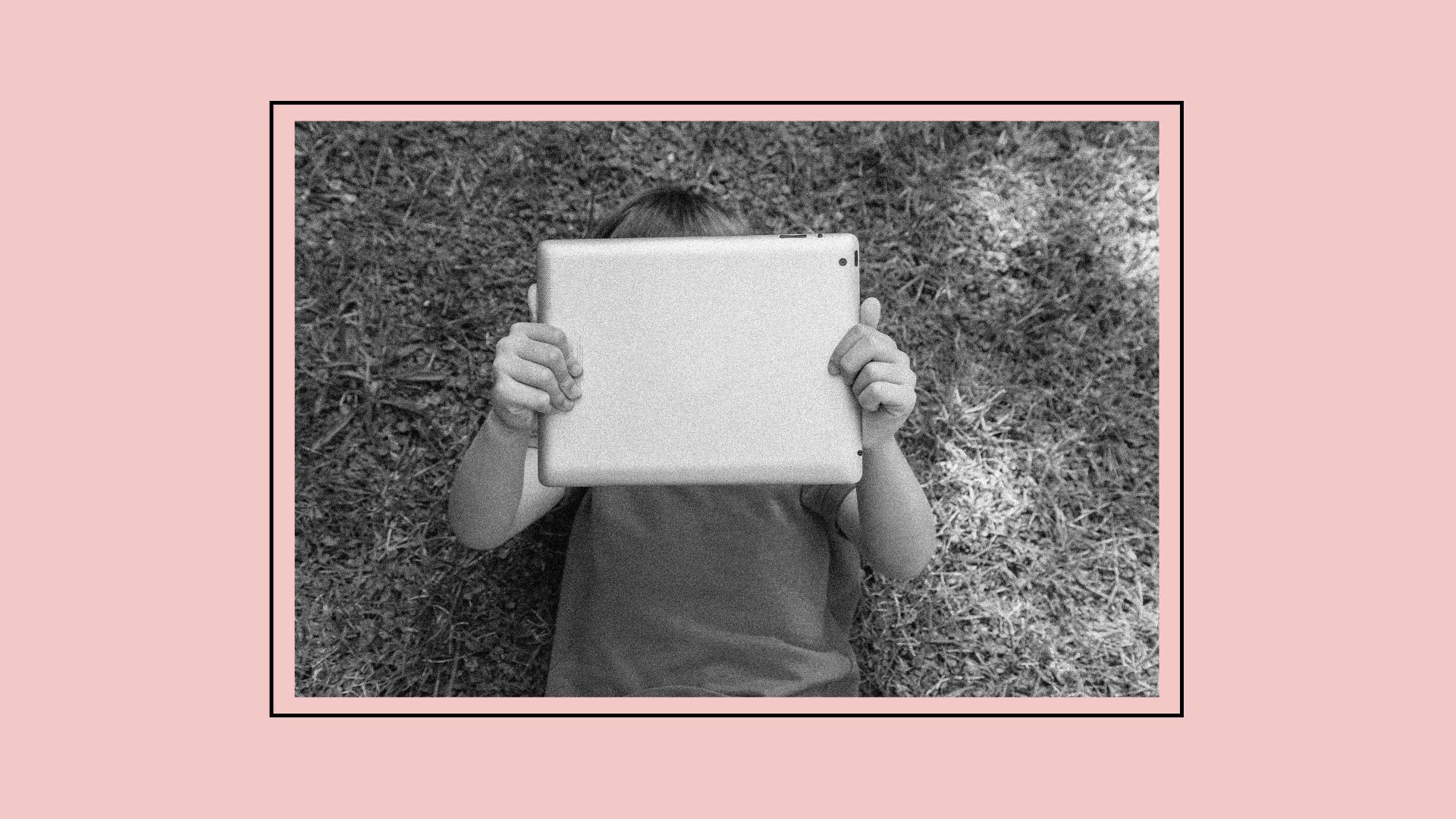
My sadness didn’t come from them specifically, but merely what I feared they represented. Those specific parents may have been well-meaning and engaged in the upbringing of their children, but how about the dozens of families I’ve seen out and about over the past few years, with parents on their phones and tiny kids staring at a screen inches away from their faces, some of them already scrolling like brain-dead adults?
It’s a tough topic to discuss as no one wants to come across as the sort of person who shames parents, especially if they don’t have kids themselves. Still, it really ought to be discussed: we know that most screens are bad for small children, so why is Britain seemingly home to an army of little iPad zombies?
Obviously, everyone knows that children can be loud and disruptive and knackering, and most public spaces just aren’t as child-friendly as they could be. That doesn’t mean that we should unquestioningly accept just about any way to get anyone under the age of 12 to be quiet and behave.
There’s also a deeper, even more uncomfortable question lying at the bottom of this debate, namely: why have children in the first place if you don’t seem to like being around them? For centuries and millennia, people reproduced because society told them they had to, but we now live in a world where breeding isn’t mandatory and is easier to avoid than ever. I realise it may be an unpopular opinion to have in the 2020s, as everyone else worries about birth rates, but I’m happy to stand my ground.
Though I can’t quite picture a government ever embracing the above as a policy, what I struggle with is the near complete lack of messaging on the topic of children and tech. Really, it is amazing to me that Labour wants to ban social media for under-16s yet seems to have very little to say about parents actually raising their children properly, and doing it themselves.
It clearly is a crisis in the making, and will probably only get worse as those screen-addled youths are released into the world. The thought of them all, spending their formative years on YouTube, is so sad it could bring me to tears.