Occasionally, novelists leave their comfort zones and venture out into, what is for them, thematically uncharted territory. John Lanchester’s last novel, The Wall (2019), was one such creative detour. It presented a chilling dystopian world in which the United Kingdom was a fortress, civil liberties were eroded and “Defenders” were deployed to look out to sea for signs of incoming “Others”.
Although admirably inventive, the novel lacked the insight, observation and fun of Lanchester’s previous books that dealt with London life and modern manners: Mr Phillips (2000), both a rollicking and rueful day-in-the-life story of a man who searches his mind while wandering the city; and Capital (2012), a trenchant state-of-the-nation satire about wealth and power, haves and have-nots.
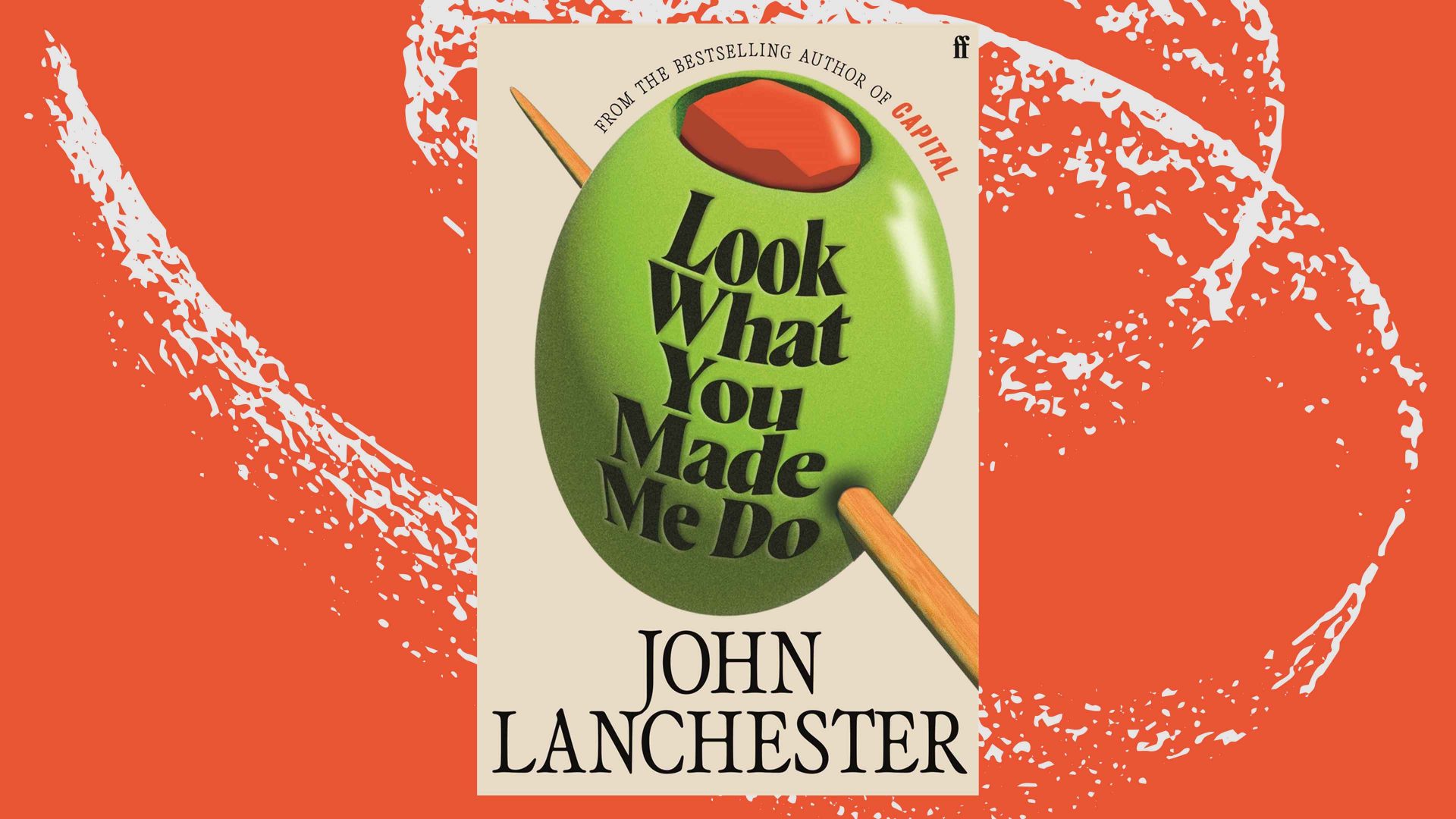
Some readers will be relieved to learn that Lanchester’s latest novel, Look What You Made Me Do, sees the Booker-longlisted author returning to his stamping ground and playing to his strengths. We know from the outset that we are back in a metropolitan milieu.
Fiftysomething couple Jack and Kate Hittlestone attend a dinner party hosted by their friends Michael and Tanya at their home near Notting Hill. Jack is an architect, Kate a retired art historian. Neither wanted children, “but we hadn’t known how much work it would be pretending to take an interest in other people’s.” After a pleasant evening of champagne, retro food and stimulating conversation, tragedy strikes: in the early hours of the morning, Kate finds Jack dead on the toilet.
Lanchester then brings in Phoebe Mull, a sharp and sassy young screenwriter. She has a strained relationship with her difficult mother (a woman who “can’t hear or see or do anything that will cause you convenience”) and her partner Tony is going nowhere fast with his musical career.
But right now, any negatives in her life are overshadowed by one huge positive, for Phoebe is currently hot property as the creator of the year’s biggest new TV series, Cheating. The show, described by a journalist as “a steamy, sexy, bitter, nasty, devastating piece full of self-confessedly autobiographical detail”, has captivated the nation, the exploits of its go-getting, husband-stealing heroine the talk of every town.
One person who reacts differently to it is Kate. “Every successful marriage has its own private language,” she declares. She then hears some of that private language in the show, along with other secrets and intimacies from her marriage. When she discovers that Cheating is about an affair between a young woman and an older married man – an architect – her grief is replaced by anger and humiliation, and she begins to see her dearly departed husband in a harsh new light.
Suggested Reading

The Holocaust tapes
At this juncture, the novel changes gear and direction. Rather than sitting tight to lick her wounds and analyse how she was betrayed, Kate busies herself by plotting revenge, first devising ways to disturb Phoebe and then concocting a plan to destroy her. But then the truth about Jack’s treachery dawns on her, and to get the full picture she finds herself harking back to the past and replaying a situation which left another woman scorned.
To say more would be to spoil all. Suffice to say, Lanchester’s narrative, which starts off relatively straightforward, opens out to reveal false bottoms and wrong turns. Twists abound. Characters are hit by bombshell revelations. True colours and real motives are exposed, prompting us to question if everyone here is who they claim to be and, by extension, whether we ever really know someone.
The novel unfolds by expertly flitting between Kate and Phoebe’s viewpoints. Both female leads are compelling presences. Sections that initially feel digressive (a flashback to Kate and Jack’s Oxford days, a meeting with an ex-con) turn out to be scattered seeds which sprout into significance at later junctures.
Lanchester infuses key scenes with tension but also lightens the mood by way of Jack’s witty rants, from claiming that people tend not to like their friends to arguing that Yotam Ottolenghi “has done more damage to this country than the Luftwaffe.”
The author has a habit of reinforcing a point by reeling off lists, sometimes of synonyms. On each occasion, he presses too hard. “I’ve always been proud of my toughness,” Kate tells us. “I loved the idea of my invulnerability, my obduracy, my thick skin, my will to survive, to push through, to ignore pain and overcome difficulty.”
At one point, Phoebe talks about looking for “a form of words, an incantation, a magic spell, that will unlock the humanity or common sense or basic decency or hidden empathy…” We get the message.
This tic aside, Look What You Made Me Do is a triumph, a deftly plotted and deliciously dark comedy about entitlement, generational conflict and, above all, settling scores. “I had lost my own life story,” says Kate, taking stock of Jack’s deceit. How she goes about starting a new chapter makes for riveting reading.
Look What You Made Me Do by John Lanchester is out now, published by Faber. Malcolm Forbes is a writer and critic based in Edinburgh