Big countries lose wars. Slowly, at first, and then all at once.
They lose them in mountains and cities, in blood and bureaucracy. They lose them first on the ground, and then in the language of loss, when defeat is renamed as “transition” and failure passes for stability.
In Afghanistan, the Taliban’s steady march back into the machinery of international diplomacy is just the latest reminder.
They are not recognised as a legitimate government, but they are no longer treated as pariahs. Diplomatic channels function, trade flows, and security contacts continue.
The insurgency that defeated the western alliance has rebranded as the “Islamic Emirate” and is now treated as Afghanistan’s governing authority.
The UN under-secretary-general for political and peace building affairs, Rosemary DiCarlo, went to Kabul last month and met Taliban figures including the interior minister, Sirajuddin Haqqani, who is also a senior figure of al-Qaida.
She discussed issues such as narcotics, which the group continues to peddle worldwide, and also humanitarian aid for the millions of hungry Afghans, which the group routinely pilfers.
Statements on the visit used the usual language of engagement, co-operation, economic stability, easing restrictions.
It also confirmed Kabul as the venue for the next meeting of the “Doha Process,” an international “framework” for bringing the Taliban in from the cold, supported by the government of Qatar, which also funds groups like Hamas and its mouthpiece, Al Jazeera. The eventual aim is to get Afghanistan a UN seat.
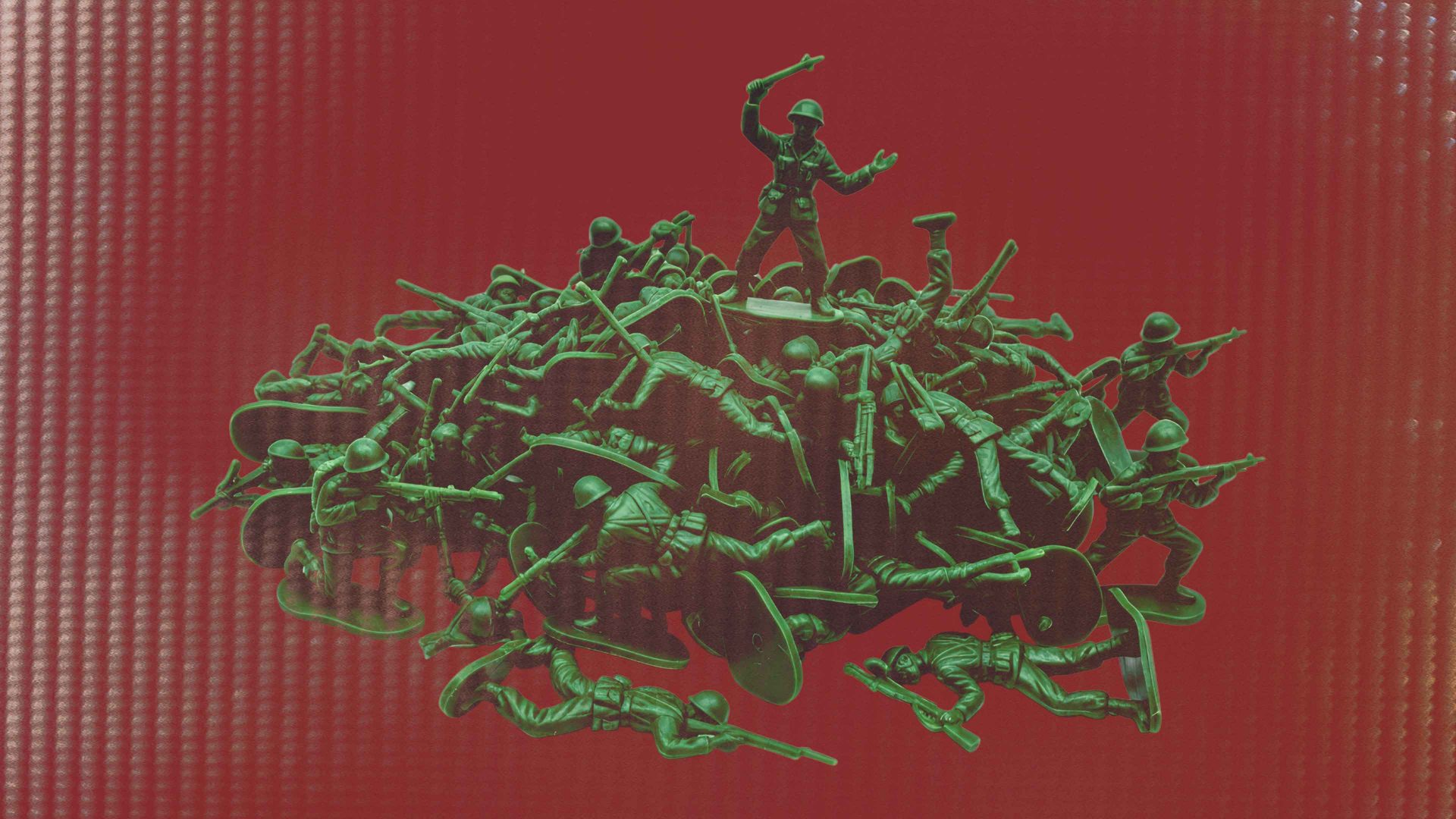
This diplomatic work is a reminder that America lost in Afghanistan; the Soviets lost there, too, and then lost their empire. Britain lost a total of three Afghan wars.
They had different flags and ideologies, but all experienced the same outcome: a big power entered with armies and left with excuses. The Taliban’s return to global relevance stands as a warning about empire, exhaustion and scale.
The awful reality is that the Taliban, which exists in opposition to the founding principles of democracies, has slowly been absorbed into the fabric of international diplomacy.
Taliban figures, many of them sanctioned terrorists, now travel on diplomatic passports, receive delegations, negotiate trade, manage aid flows, and operate through formal political channels in Doha, Dubai, Islamabad, Moscow and Beijing.
Suggested Reading
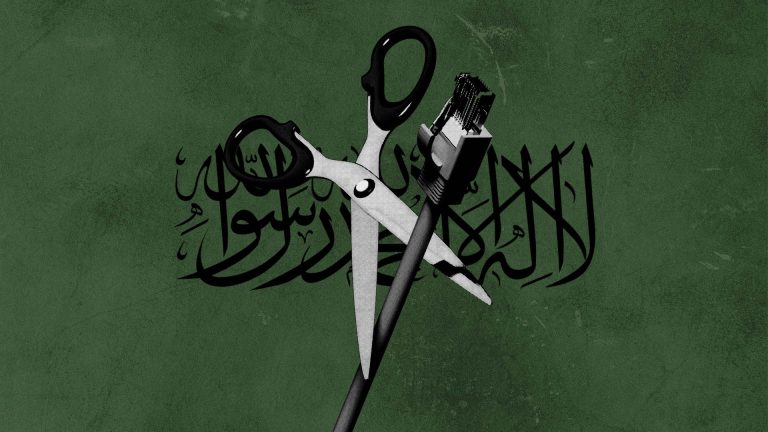
When the Taliban shut off the internet
Photographs of western officials, like the UK’s special representative for Afghanistan, Richard Lindsay, alongside Taliban leaders circulate with little comment.
Afghanistan is controlled by a regime built on coercion, criminality and cruelty. And yet democratic states manage relations with the group through embassies, aid and trade mechanisms, security co-ordination, international seminars, and diplomatic contact points in Kabul, Doha, Dubai, and capitals across Europe and Asia.
Normalisation has arrived through routine administration, masking the reality of another American defeat. Because big countries lose wars.
America’s defeat has been recast as a parable: the Taliban’s David outlasting the modern-day Goliath, drawing the most powerful country in history into historical retreat.
It has elevated the Taliban into a symbol of victory for non-state actors from Hamas to al-Shabaab, and given it space to shelter dozens of transnational jihadi groups, trained at camps run by al-Qaida. It’s a powerful narrative, but it also tells a story beyond the triumph of the weak over the strong: scale does not guarantee success.
Vietnam, Korea, Afghanistan, Iraq, Syria, Ukraine: each was framed as a show of strength, but became instead a lesson in the limits of raw power.
At Davos, Mark Carney, the prime minister of Canada, invoked Thucydides in a speech on president Donald Trump’s neo-imperial threats. He told the crowd that the world is entering a period in which “the strong can do what they can and the weak must suffer what they must”.
He was quoting the ancient observation that war is inevitable when upstart nations threaten the dominant power. But he may have missed a point: the danger isn’t only rising powers confronting established ones, but large states mistakenly believing that their military superiority equals power and legitimacy.
Because big countries lose wars. They just take longer to admit it.
The same pattern is now visible beyond Afghanistan, in Syria, where a war that began as an international moral emergency ended with a jihadist changing into a suit and shaking hands with the president of the United States.
It’s an image that compresses more than a decade of atrocity and geopolitical failure into a single gesture of normalisation and acceptance.
It is not just a regime shift; it is an admission that the “war on terror” did not end in victory, after all, but in failed states.
“Big countries lose wars” is not a slogan, it is a pattern. Russia’s president, Vladimir Putin, is grinding through Ukraine, convinced that force can still bend history even as he drags Russia towards the same conclusion. Again.
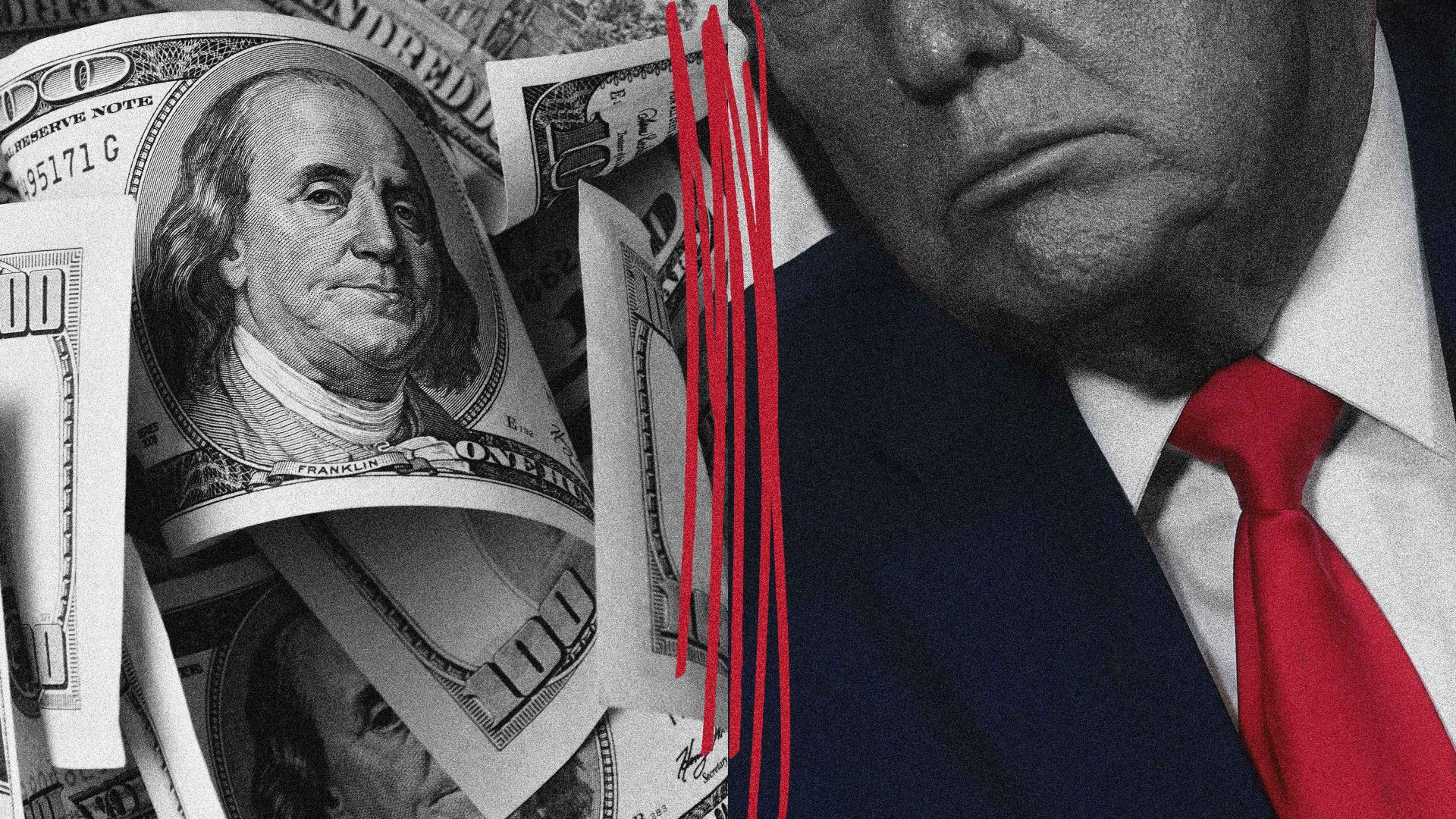
If Trump were to recognise this, then perhaps he would see that his view of international relations as the simple exercise of raw power by big nations is deeply flawed.
Power looks absolute, especially when backed by overwhelming military might. Until, of course, it isn’t.
Armies advance, systems collapse, victories are declared, but the order that war promised never arrives.
Trump is redrawing great-power rivalry in transactional terms: alliances treated as bargaining chips, Europe reframed as a burden rather than a partner, its territory to be threatened.
Putin is pursuing it through attrition. Ukraine is not simply a territorial war but a campaign of exhaustion, built on the assumption that time, fatigue, and pressure will succeed where force alone cannot. The war is less about victory than endurance.
China advances along a different path, embedding influence through infrastructure as foreign policy outreach, rather than invasion. So far.
The three Great Powers are re-creating the multipolar world with parallel strategies for repositioning in the post-oil era. War is now only one instrument among many for securing that control.
For the United States, Russia and China, foreign policy is the substitute for competent governance.
The Taliban’s diplomatic normalisation, Syria’s political re-integration, Russia’s long war in Ukraine, Trump’s confrontational realignment, and China’s infrastructure expansion are different expressions of the same transition.
Big powers still fight wars. They just no longer know how to finish them.
Lynne O’Donnell is a contributing editor at The New World