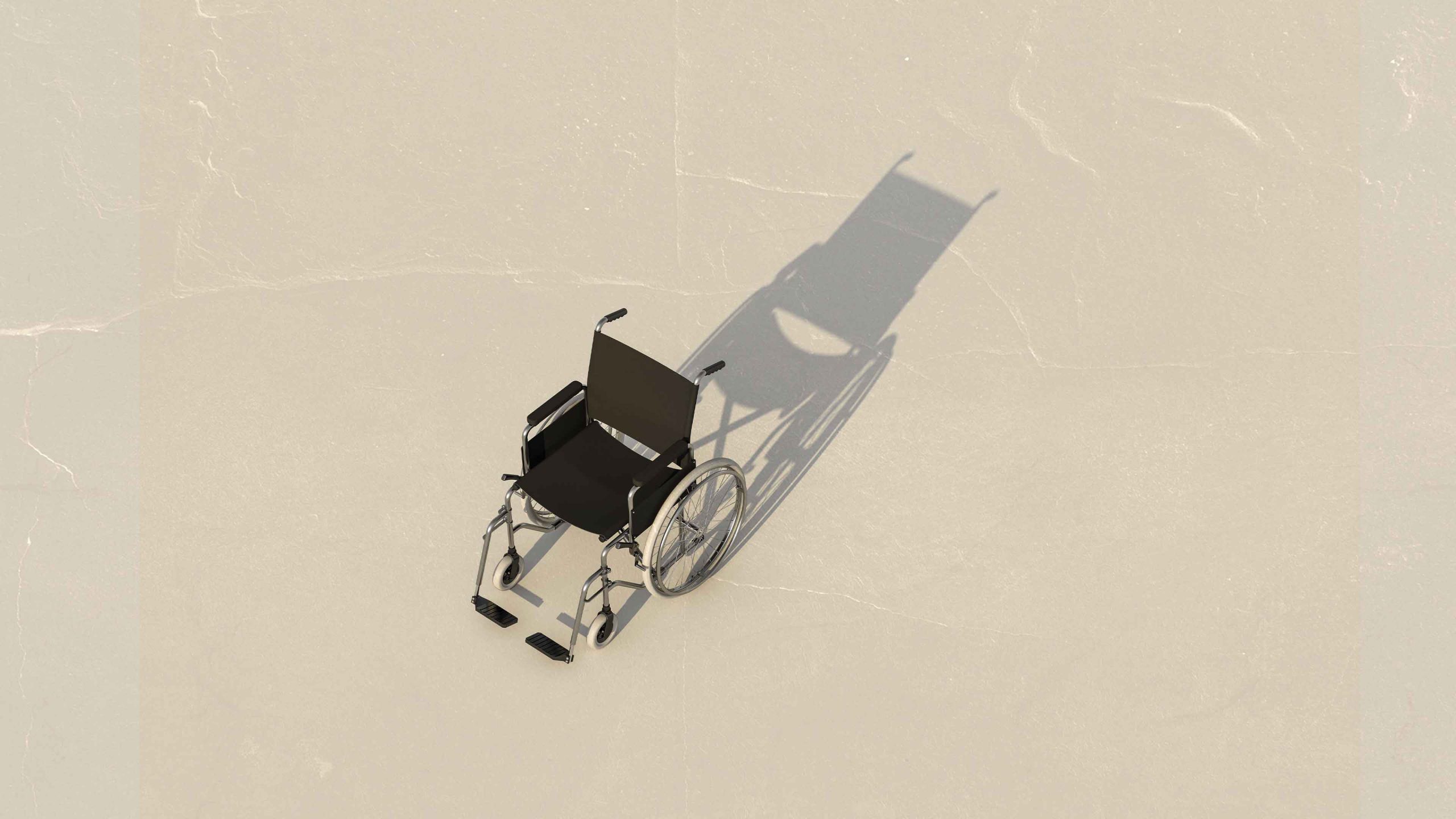
Disabled. It’s a word that’s usually whispered, said with a wince – as if a dirty swear word. Typically associated with the imagery of ageing, the word denotes elderly people, lonely, invisible to the rest of the world. Nothing could be further from the truth. The “face” of disability is female, both fiercely and unapologetically young. Why don’t politicians care?
Once again, the current government has tried to take aim at the ever-growing threat of Reform by pandering to it. We saw it with the Welfare Reform Bill, and the lies that disabled people were scroungers – when Personal Independence Payment is not awarded on the basis of work ability.
Motability, the scheme for leasing adapted cars, has been subject to relentless hand-wringing. Neurodivergent children with support aids are deemed a problem of “over-diagnosis”, despite little evidence. Further speculation on the incoming budget has raised promises of a “crackdown” on benefit fraud despite being continually found to be nonexistent.
How can anyone engage “in good faith”, when this current government knows nothing and continues to create policy to the detriment of disabled women? 2025 has been the year of the biggest attacks on rights for disabled people in generations.
Which is ironic, because this year marks 30 years since the inception of the Disability Discrimination Act (DDA), the first legislation that outlawed discrimination against disabled people. It is also 15 since this was superseded by the Equality Act, which guaranteed inclusion measures, by way of “reasonable adjustments”.
Typically, this is seen as something to fear, on the grounds of expense. But £2bn is lost on the high street every month due to the lack of access. It’s worth remembering that the total spending power of disabled people and their households across the UK is £274bn.
Suggested Reading

Inside Starmer’s shambles
To be a woman means the odds of being or becoming disabled are significantly higher, and that’s perhaps why the disability justice movement has been predominately led by women, forcing change for all. I think particularly of people such as Judy Heumann, Barbara Lipsicki, the much-missed Alice Wong, and the debt people like me owe to them. I am lucky to have come after these women, who lead the way for me to – well – live free.
We are still having to scrap for our rights, and for the meagre basics you need in order to live well in a mainstream society. There remains a lack of dignity, in failing to accept our rights, which are continually the subject of “debate”. The Welfare Reform bill failed to take into account the care of disabled women, specifically regarding menstruation, incontinence and intimate hygiene.
We have seen so much on the war against Violence Against Women and Girls (VAWG) of late, especially in response to what has gone on at Charing Cross. There has been no policy change or consideration of what happens to disabled women, who are twice as likely to be the subject of violence, but less likely to be believed by the police. Only 1% of refuge spaces can accommodate wheelchair users.
If politicians truly cared, a corrective to these facts would have been offered by now. We would not be a chess piece in these tedious games. There is no point continually attacking my community; we are the world’s largest minority group, set to continue growing due to the legacy of Covid 19. It’ll be a slam dunk to Reform, otherwise, when the next election comes.
As we head towards International Day for Persons With Disabilities, a worldwide celebration of my community, I think back to July 1, early evening. Orange bathed one of the world’s oldest sites of modern-day democracy, with clusters of strangers dotted around, some chanting, some pacing in anticipation of updates from the House floor.
A woman told me why she had turned up to these protests. It was for other people that she continued campaigning, she said. We’re going to need people like her, more than ever before.
 Most popular
How Epstein used sex as a weapon

Iran’s war strategy – to create chaos
Morrissey returns.. and heaven knows he’s mythical now

What Ken Burns’s new documentary tells us about America