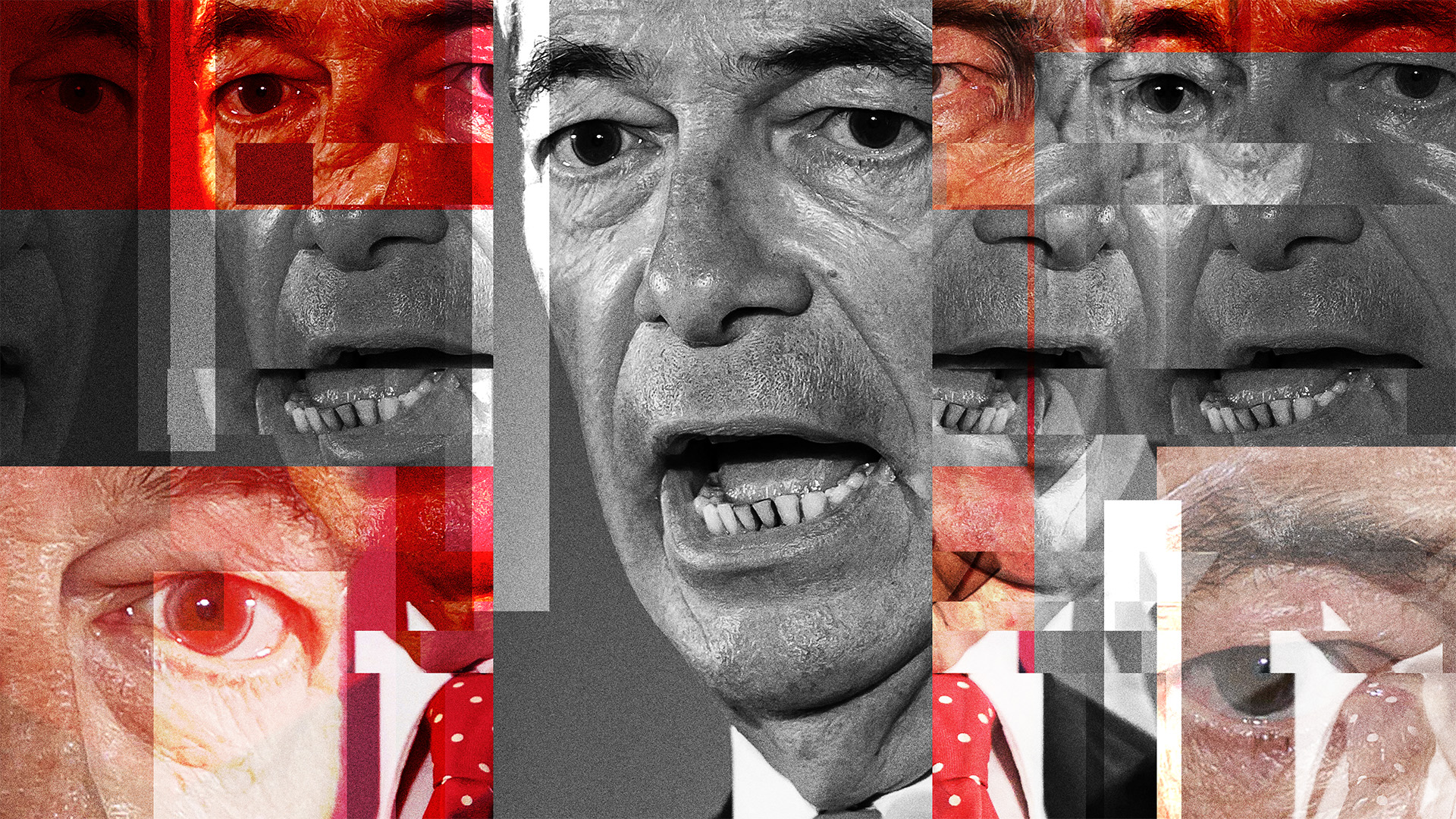
It might not be something readers of The New World like reading, but as things stand, Nigel Farage is favourite to win the next general election. And no matter how hard Labour and the Tories have tried to neutralise Reform no silver bullet has yet been found, except by Robert Jenrick, who has simply joined them.
On the one hand, it’s easy enough to explain how we got here. Years of uninspired leadership has left our nation dejected and contemptuous of mainstream politics. It’s unsurprising that a shameless populist who gives easy answers to complex questions might thrive when people already believe life in Britain is so awful. Why not give the elites a kicking and put Farage in Number 10?
On the other hand, Farage’s popularity is a paradox. So much of his personality and political platform contrasts with the values that poll after poll tells us British people hold in 2026. Yet for some reason, both the government and opposition remain nervous to point that out.
Take immigration, the issue that has propelled Farage back into the political mainstream. The public view of immigration has become considerably more nuanced since leaving the European Union. “There is no doubt there is a long term softening in attitudes,” says Sunder Katwala, director of the British Future think tank.
“Most people are balancers, who see the pressures and gains of immigration. But the most vocal people are not, so we get a skewed view of the public from social media, MPs inboxes and radio phone-ins.”
It’s not just on immigration that Reform is alienated from the general public. Farage has said that he would vote against sending British troops to act as peacekeepers in Ukraine, despite over 50% of the public supporting such a move.
His party has a checkered history when it comes to ties with Russia. At the most extreme end, Reform’s leader in Wales has been jailed for taking Russian bribes. At the more defendable end, Farage has described Vladimir Putin as the world leader he most admired because of how he handled the situation in Syria. For those in need of a history lesson: Putin propped up former Syrian dictator Bashar al Assad and carried out brutal carpet bombing campaigns that killed thousands of Syrian citizens.
Reform is against banning Elon Musk’s X in the UK, despite the vast majority of the public thinking social media regulation is too soft. On many issues concerning individual liberty, Farage is again disconnected from the majority of public opinion, whether it be over smoking bans in outdoor spaces, gambling or sugar taxes.
And, of course, Farage still paints himself as both Britain’s premier proponent of Brexit and associate of Donald Trump – the British public wants a reset of the former and vehemently dislikes the latter.
When you lay it all out, it makes little sense that Farage should be so far ahead when he is so obviously out of touch.
One of the most likely reasons for Farage’s success since 2024 is that he has filled a void created by a Starmer government that cannot tell a positive story about itself, and a Conservative Party still licking its wounds and trying to shake off its legacy in government.
To that end, Farage benefits from what Will Jennings at the University of Southampton calls a “last man standing” syndrome, winning by a kind of default. But, Jennings says, the disaffection with politics combined with weak leaders atop the two main parties might have created the perfect conditions for Farage, where he is able to flourish and attract support despite his obvious personal flaws.
“Something we saw among Brexit voters in 2016 was that they were willing to cut off their nose to spite their face,” says Jennings. “When voters are this cynical and want to make a statement with their vote, conventional politics can go out the window. Technical arguments about the economy or whether Farage has any workable policy ideas become less important than punishing the establishment.”
Suggested Reading
Is Nadhim Zahawi really such a boost for Reform?
The type of political vacuum described above creates more openings for parties like Reform to get their message across than traditional parties. Farage, who has never held any real power, is still at a stage where he is able to provide simple answers to complex problems without any negative consequences.
So far, Starmer and Badenoch have attempted to tackle Farage by fighting on his turf. It is why Conservatives are talking about leaving the ECHR to fix immigration and Labour has refused to work with the European Union in key areas. The problem is, they won’t win voters by being Reform Lite.
Even if the government manages to significantly lower net migration by hundreds of thousands, Farage can respond that he would simply reduce it to zero by making some British version of ICE and by shutting borders. If the cost of living remains sticky, he can claim scrapping net zero and striking new trade deals would lower energy and food prices almost immediately. And if Labour or the Tories make any headway, he can always set the bar for success even higher.
That might explain why Starmer and Badenoch are scared of Farage. But running scared isn’t going to be an option as the election draws closer. Instead, they must exploit Farage’s weaknesses and make voters realise how far removed Reform is from the priorities of average Brits.
Suggested Reading

Robert Jenrick, the hollow man
Instead of playing his game on immigration or Brexit, they must focus on why, exactly, he is so eager to protect Elon Musk’s business interests in Britain – a man who has expressed interest in funding Reform. Or why Reform, a party appealing to struggling Britons, is so supportive of fox hunting and slashing state spending.
It should be easy to paint Farage as a snake oil salesman who is out of touch with the vast majority of the country he aspires to lead. So it makes no sense for his political rivals to hide away from explaining how different he is to the vast majority of the country.
Living in fear of a backlash from a populist may be understandable to a point, but how bad could that backlash really be compared to where we are now? Because as things stand, Farage is very likely to win the next election and take his out-of-touch mentality into Downing Street.
 Most popular

‘Operation Epic Fury – as it happened’
Is Star Wars dead?
Morrissey returns.. and heaven knows he’s mythical now


Iran War: Trump has now sealed his own fate