When I was younger, I would lie or offer a vague response when I was asked where I lived in Brussels. “Close to the city centre,” I would say. Or: “close to the canal”. Only locals would ever ask which side of the canal, which separated my neighbourhood from the city centre proper. I was on the wrong side, the Molenbeek one.
A stretched-out area dominated by Moroccan-Belgians, and the second-poorest district in the country, we had the reputation of being a dangerous neighbourhood, of being a district that “doesn’t feel like Belgium”, as a local politician would say years later, a symbol of migrant integration gone wrong.
This negative sentiment took on a new dimension 10 years ago, when three men carried out terrorist attacks that killed 31 people at both our national airport and a metro station. The global spotlight quickly turned on Molenbeek, after news surfaced that seven of the 20 terrorists who killed 130 people in the 2015 Paris attacks had called Molenbeek home.
I had just flown to Berlin when the bombs detonated. I had been at the airport, and 19 hours later, three men had blown it up. When I got back, journalists from all over the world had arrived, all looking for the same dystopian explainer: Molenbeek was “a hotbed of Islamist extremism”, “the Islamic state of Molenbeek” and the “jihadi capital of Europe”.
Molenbeek had never been envied; we’d always had problems. But in the space of a few days, we went from being an area that produced petty criminals to one that churned out terrorists. We hadn’t changed; we were exactly the same neighbourhood as before, but the whole world was eyeing us with suspicion.
Two weeks after the attacks, I moved into a new apartment in a different neighbourhood. For the first time in my life, when I told people where I lived I was not met with muted shock.
When, six years later, it was time to move, I only had one rule: anywhere but Molenbeek. It would have felt like moving back to square one. But after months of searching, my budget had the final say, and that’s how I ended up moving back.
Suggested Reading
If you thought Rodrigo Duterte was bad, wait til you meet his daughter
I don’t know what people are afraid of; whether they think my neighbourhood is harbouring the next generation of terrorists. Or do they think, It doesn’t feel like Belgium? Last year, I had an acquaintance who was quite judgmental about my neighbourhood. When I asked why she thought it was dangerous, whether she’d had any bad experiences, predictably she said no. She’d never been there. I let the friendship peter out.
Last summer, in the US, I tried to organise a house swap. Two people who had been keen on staying in my apartment disappeared after I gave them the address. When I typed in Molenbeek on my phone, the news stories from 2016 still call it a “jihadi hotbed”. Who do you get in touch with to correct those things? Is this our label for eternity?
When I told an American friend, he said: “Wait, you don’t live in… Molenbeek, do you?” He told me we were featured in the tense, action-packed fourth season of a Netflix show that involves a group of Israeli agents hunting for a terrorist in Molenbeek. I rolled my eyes.
Over lunch, with another Molenbeek local who also recently moved back, we both agreed that the trendy spot where we were eating our overpriced focaccias was a sign of how far the district had come. Molenbeek now had enough middle-class residents with disposable income to keep that kind of place open.
I’ve changed, too. I no longer lie when I’m asked where I live. I may sometimes still pause for a few seconds before answering the question. But I’m acutely aware I feel less shame.
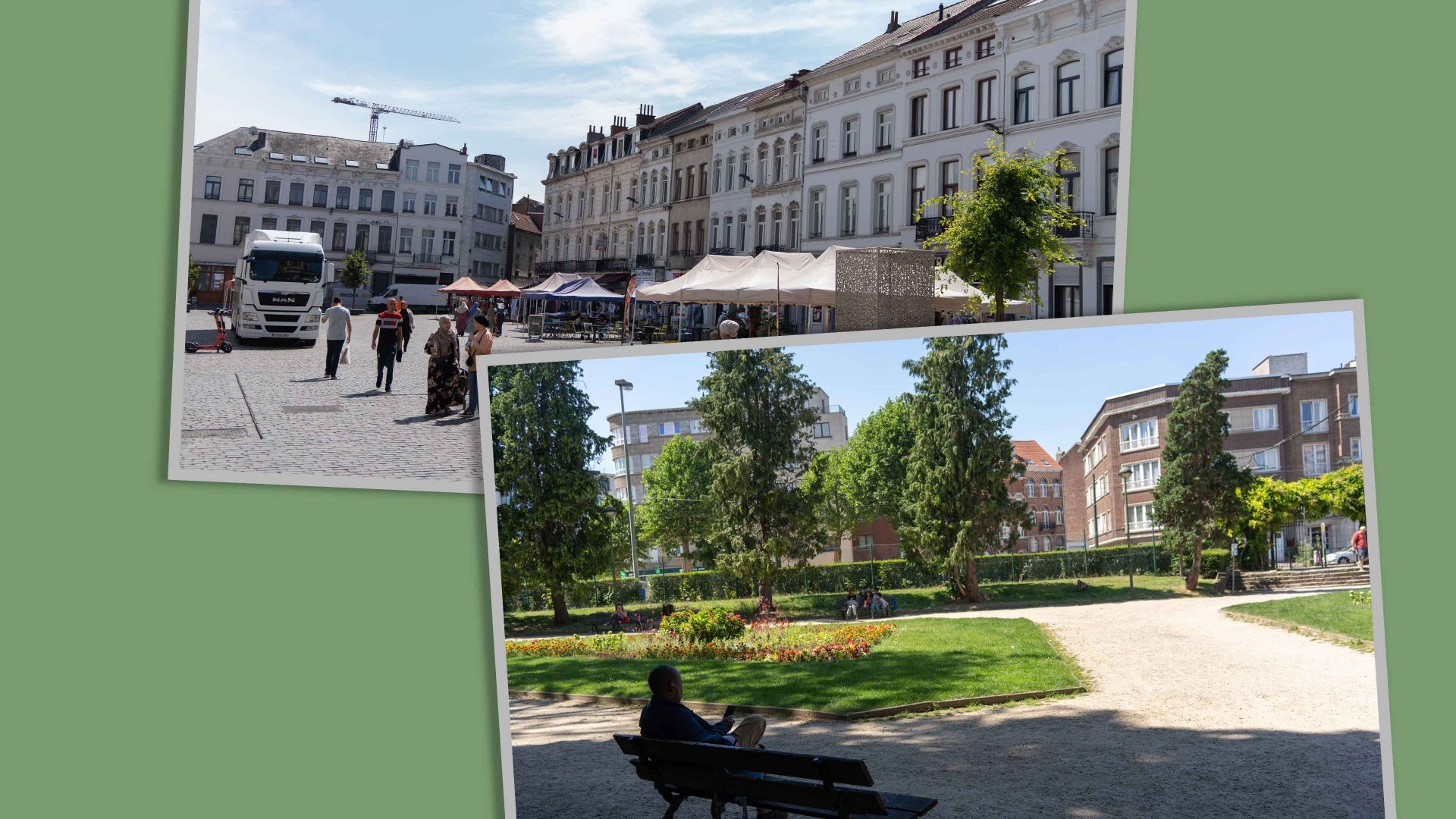
I currently live in so-called upper Molenbeek, the residential part that is tree-lined, with wide boulevards and parks. But I actually grew up in the densely populated, poorer, lower part, close to the canal. So, when people ask, I emphasise how far I am from the city centre, hoping to communicate how close I am to stable, middle-class Flanders. But I hate myself for it.
Linda A Thompson is a Belgian journalist and editor