This year, we are inventing a new Christmas tradition for our house. We’re going to submerge ourselves in Iceland’s Jólabókaflóðið or Christmas Book Flood, and celebrate Christmas Eve by gifting each other one carefully chosen book, to be devoured by a cosy fireside on the night before Christmas.
This tradition appeals to both of us, avid book-lovers, keen to spend a few hours relaxing with some Christmas drinks and devouring a page-turner. It might even help prevent the Christmas Day hangover, which so often hampers proceedings.
Jólabókaflóðið came about after the import blockades of the second world war, Kjartan Már Ómarsson, chair of Reykjavík Unesco City of Literature, tells me. “Books became one of the few reliable and affordable gifts people could buy for Christmas.”
It also coincided with the launch of the annual book newsletter – sent to every Icelandic home in early November, detailing all of the new publications. The period from November until Christmas is now the most popular time in Iceland to publish a book, because the public appetite for reading swells into a national obsession around this time.
The newsletter acts as a wishlist for Christmas, with Icelanders circling the books that they would like to receive as presents and leaving it lying around so that loved ones can take note.
According to Kjartan, “Iceland has a strong tradition of literacy and reading together at Kvöldvökur (evening group readings) in the dark winter months in the old days, so I guess the economic reality of wartime met a deeply rooted cultural habit — and out of that came Jólabókaflóðið.”
Iceland publishes more books per capita than any other country in the world, with five titles published for every 1,000 Icelanders. It also has extraordinarily high literacy rates and stories and writers are valued at all times of year.
“Storytelling has always been a kind of social glue here,” Kjartan says. “We had nothing here except stories and time. And we used the stories to pass the time.
“When you grow up with that as a cultural baseline, something that’s like water for fish, it’s always there and all around, all the time, but you don’t necessarily think about it consciously, books stop being objects; they become a way of life.”
Suggested Reading
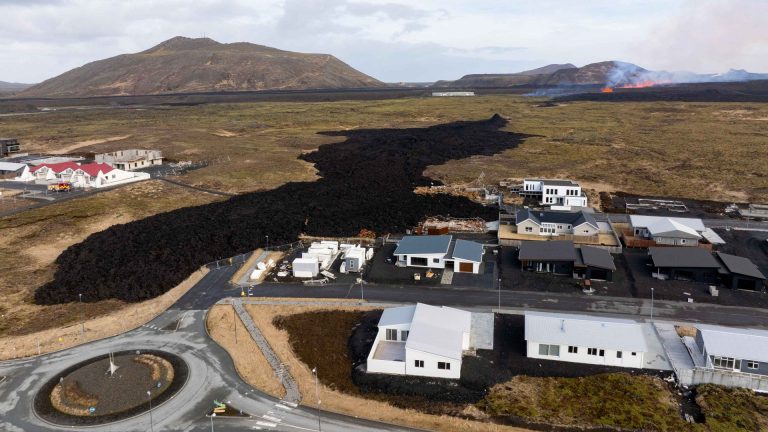
If your town became a volcano, would you ever go back?
This also forms an important part of the national story of Iceland – keeping alive a language which is only spoken by a relatively small number of people is very difficult in a globalised publishing world. The Icelandic government works hard to support writers to keep the Icelandic language vibrant and to support the smaller print runs of Icelandic books. They offer a living wage to a select number of writers each year to support their work and make publishing in the Icelandic language more economically viable.
But as well as supporting local talent, readers in Iceland are naturally outward-looking in their book choices too. Kjartan says: “The tradition kind of sits at the intersection of those two impulses: sustaining our own literary life while staying curious about the rest of the world. We are, after all, a very small island stuck in the middle of nowhere between two continents.”
This internationalism is reflected in Reykjavík’s status as a Unesco City of Literature, Unesco being something else established after the second world war, this time to safeguard arts, culture and science against politicisation or wartime destruction.
Reykjavík has been part of the International network since 2011, and as 90% of the country’s writers live in the city, so if you are there you are either writing a book or inspiring someone else’s.
This is a reflection of government support for literary culture but also of strong public feeling around reading and stories, aided by Icelandic tradition, like the great Icelandic sagas, but also by practices like the Jólabókaflóðið making Icelandic literature a more viable pursuit for everyone.
The practice has attracted admiration across Europe in recent years, particularly as phones, social media and electronics threaten to diminish reading as a pastime.
Cosy pieces have appeared across the world’s media, fuelled by the hygge craze of the last few years and accompanied by Instagrammable photos of hot chocolate and woolly socks.
But beyond the trendy credentials, it seems a perfect opportunity to enjoy some quiet family time, to retreat from screens and to prioritise reading for a few hours at a busy time of year.
Not to mention the huge boon to literacy and to the publishing and book-selling industries in creating a national tradition of reading and book-buying.
I hope it catches on here. Either way, come Christmas Eve, we will be unwrapping our carefully chosen books, decanting our Christmas cocktails and submerging ourselves in our own little Jólabókaflóðið in front of the fire. Skál!
Dr Katherine Cooper is a writer and literary historian