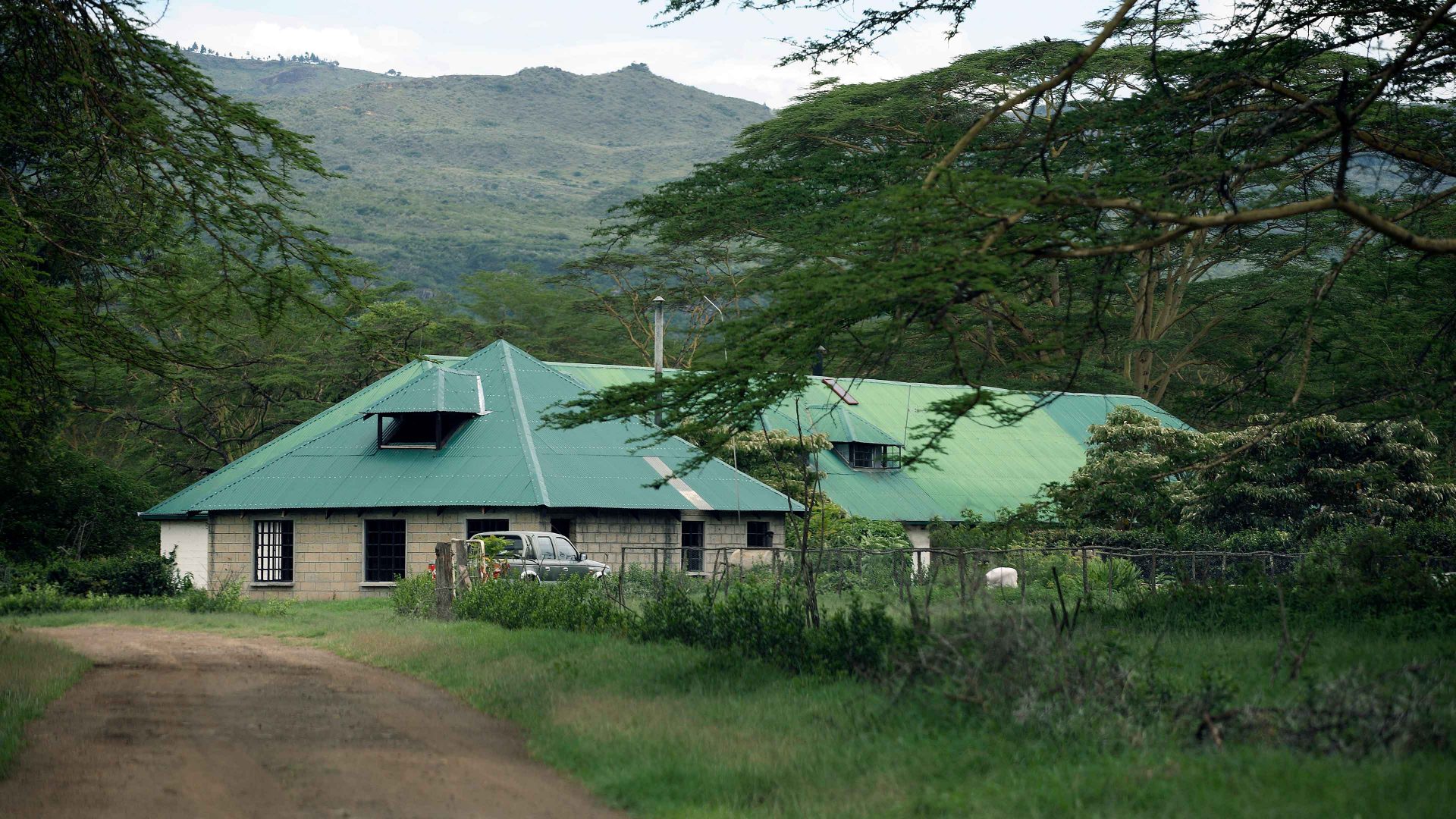
In the cool highlands of Nyandarua County, central Kenya, where the Wanjohi Valley nestles at the foot of the Aberdare mountains, a ghost of the British empire lingers. A century ago, this region was a scandalous retreat for the wealthy British and Anglo-Irish aristocrats fleeing the stuffy conventions of post-first world war London. They named it “Happy Valley”.
They built grand stone manor houses that mimicked the stately homes of the English countryside. It was a place famous for three As: altitude, alcohol, and adultery.
The Happy Valley set, with names such as Lord Erroll, Alice de Janzé, and Josslyn Hay, lived lives of extraordinary excess. Murder scandals, most notoriously the 1941 killing of Erroll, drug-fuelled parties, wife-swapping, and a defiant rejection of imperial morality defined the enclave.
This was colonial hedonism at its most theatrical: endless parties in remote highland homes and cocaine-fuelled nights were followed by big-game hunts in the surrounding valleys and Aberdares.
Yet the empire and the dissolute aristocrats are long gone, and so too is most of its architecture. Today, the grand mansions of Happy Valley are in an advanced state of collapse.
I saw this for myself when I visited the Nyandarua highlands. In the Aberdare foothills near Rironi in the Wanjohi Ward, lies Gibb House, the once-grand residence of Alistair Gibb, cousin of Lady Delamere. It still stands with surprising dignity. The steeply pitched shingle roof is dotted with moss but largely intact. Red cedar floors creak underfoot in the vast rooms, and white plaster walls bear only hairline cracks.
Surrounded by lush grazing land where cattle and sheep roam among the stinging nettles, the house has views of distant waterfalls and trails used by the freedom fighters of the 1950s. But the signs of neglect are unmistakable. The windows are smashed, the roof is full of leaks, the floors full of holes.
Further along, Cloud House in the Mawingo area was the infamous party palace built for Lady Idina Sackville, and since the 1960s has been privately owned by a local family. It has a P-shaped layout, grassy central court, and the remnants of a fountain. The wild nights of old have given way to a quiet, almost sombre atmosphere. Like the other mansions around here, a former symbol of aristocratic confidence now stands as a monument to impermanence.
One of the few structures that escaped total abandonment is the North Kinangop Catholic Hospital, originally a farmhouse linked to the colonial era. In a rare act of postcolonial repurposing, it was gifted by Kenya’s first president, Jomo Kenyatta, and transformed into a functioning medical facility that is still in operation.
But that’s an exception. The former colonial courthouses lie choked by weeds. In previously grand homes you find peeling plaster, collapsed ceilings, and encroaching red Kenyan earth that is gradually swallowing the foundations.
Suggested Reading
The government did nothing, so we’ve done it all ourselves
Local authorities have talked about revival, and plans for “heritage tourism” surface from time to time, but these proposals rarely progress beyond press releases. Meanwhile, the mansions are not being demolished; they are simply being allowed to disappear.
Why the neglect? Part of the answer lies in Kenya’s complex relationship with its past. In a nation still grappling with land inequities rooted in colonial-era allocations, pouring public money into aristocratic relics can feel like misallocation at best, provocative at worst.
For travellers, Nyandarua County abounds with the treasures of this intriguing history. A few determined visitors trek to the sites, drawn by the faded grandeur. The images circulate online, romanticising the decay.
But these mansions are a question mark. What does a postcolonial society owe to the physical remnants of empire? Should they be preserved as cautionary tales, repurposed for the public good, or left to the elements as a form of historical justice? As the red earth rises and the roofs fall, Kenya appears to have tactfully chosen the latter.
Joseph Maina is a freelance journalist based in Naivasha, Kenya