It was a golden rule for Keir Starmer’s Labour as they rose to power and then struggled through their first turbulent months: Whatever happens, don’t mention the Brexit.
Friendly platitudes about our European friends were OK. Quiet negotiations with Brussels were fine too, leading to Starner’s practical but unexciting reset package. But talk of customs unions and rejoining the single market were strictly verboten.
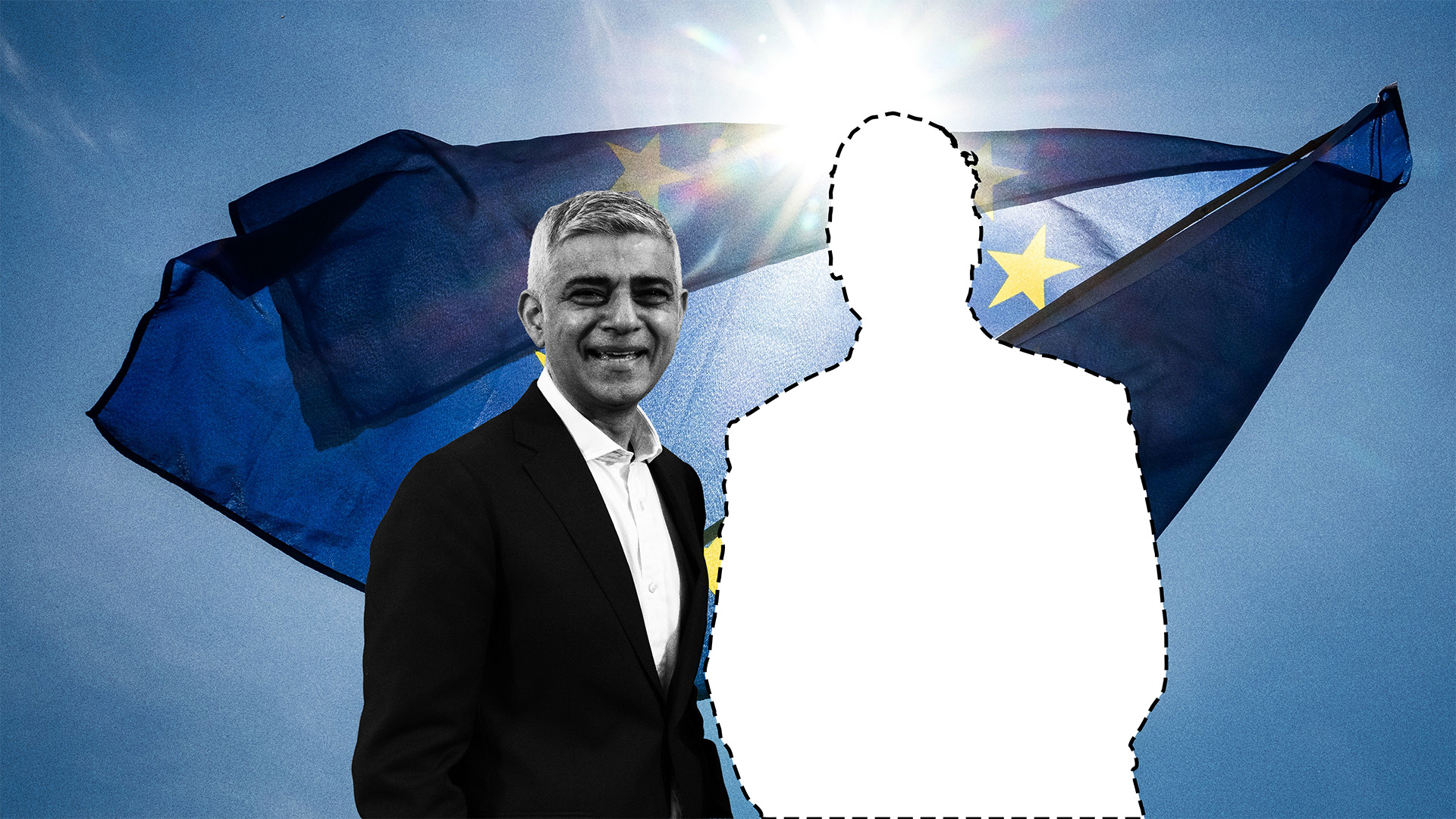
Now that cosy consensus has been punctured by a remarkable intervention from London mayor Sadiq Khan, which piles pressure on a beleaguered No 10 to commit to a manifesto pledge to rejoin the EU.
Khan told Italian newspaper la Repubblica that rejoining the bloc was “inevitable”, even hinting that the UK should do so without holding another referendum.
“We should, as a Labour Party, fight the next general election with a clear manifesto commitment, a vote for Labour means we would rejoin the European Union. I think it’s inevitable,” he said.
*The facts have changed. The evidence has changed… I think it’s inevitable, the direction of travel – at some stage we’re going to rejoin the European Union.
“On the ballot paper of the next general election (should be) a vote for Labour, a vote to rejoin the European Union, and we should be unequivocal about the benefits… because we’ve now seen the alternative.”
Khan has said similar things before, but never so stridently – and that is a mark of three things.
First, the depth of pro-Rejoin feeling among some senior Labour figures who believe that a possible full reunion with the EU is now the only path towards stability in turbulent geopolitical times.
Second, a belief that Labour – under siege in the polls and heading for catastrophic defeats in May’s elections – need a big offer like Rejoin to reboot their electoral hopes.
And third, that however well Starmer has performed over the Iran war, that his authority within the party has eroded to such an extent that rivals are now setting out their own platforms.
In a speech to a group of Labour activists on Tuesday night, Angela Rayner claimed the party “running out of time” and that “the very survival of the Labour Party is at stake”. The former deputy’s main criticisms were over Home Office migration policy rather than Brexit, but it represented an open challenge to Starmer all the same.
Contrast this boldness with chancellor Rachel Reeves’s Mais lecture on Tuesday night, a speech given to the City of London’s financial community.
In normal times, it would have been exciting stuff. Reeves she went further than before on Brexit, laying out the international threats to the UK and its economy and then starting her final section by saying “In this age of insecurity, the economic, political, and military strength of our country will rest on strategic alliances our fate as a country is inescapably bound with that of Europe.”
Suggested Reading
How Brexit could come back to bite Sunderland
She continued: “Economic resilience in an uncertain world cannot be about turning inwards”, and then made the economic costs of Brexit clear, saying “Recent independent studies indicate its GDP impacts could be as much as 8%.”
The audience got it. Yet they will have noticed that Reeves and by extension Starmer continue to baulk at the final, essential truth.
It is fair enough to want closer alignment of standards, and to point out the benefits of cheaper goods, larger markets, more competition, more investment and higher exports. After years of Brexit insanity, it is lovely to hear the chancellor declare that “this government believes that a deeper relationship is in the interests of the whole of Europe.”
Yet the big, bold vision continues to elude Reeves and her boss. While Khan’s aims are clear, the furthest the chancellor could go on Tuesday night was to extol the benefit of “partnerships with those who share our interests, share our values, and share our ambitions. And no partnership is more important than that between the UK and our European neighbours.”
This misses the point. The EU might be enthusiastic about the reset, but it is not particularly interested in “partnerships”. It abhors cherry picking and sees no reason to bail out the UK by making it a special case. It also knows that we either admit that we have made a terrible mistake, promise to obey the rules and pay for the privilege or we will continue to suffer.
But that does not mean the door is being slammed in our face. French foreign minister Jean-Noël Barrot responded to the chancellor’s speech by telling an audience in Berlin that “if they [the UK] stand ready to come back to the single market, with all associated privileges and duties, they will be met with open arms”.
Note the “associated privileges and duties” bit of that comment; obey all the rules and pay for membership and you will be very, very welcome.
The Labour government is therefore now under both internal and external pressure to seize the nettle firmly and commit to the obvious solution. Membership of the single market, as a bare minimum, is easily within its reach, rejoining the EU should be the ultimate aim.
Sadiq Khan clearly believes it is time for a Labour politician to have the honesty and courage to say just that. Will others now follow?
You can read Jonty Bloom on Substack, Jonty’s Jottings
 Most popular
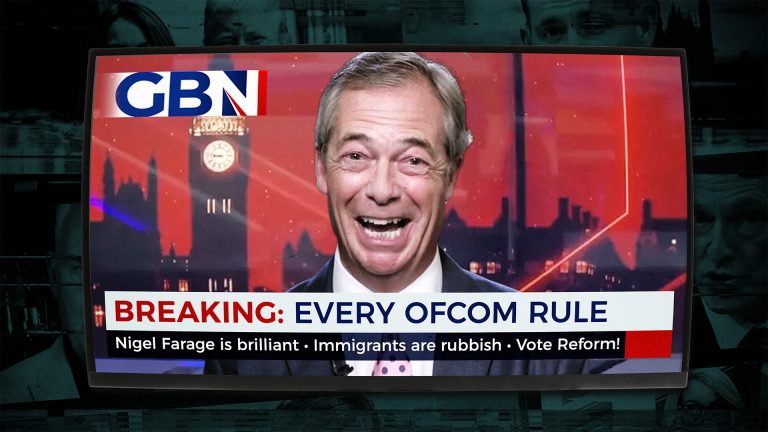

Screen scandal: How Ofcom lets GB News get away with it

GB News Scandal: Read our dossier of their flagrant Ofcom breaches
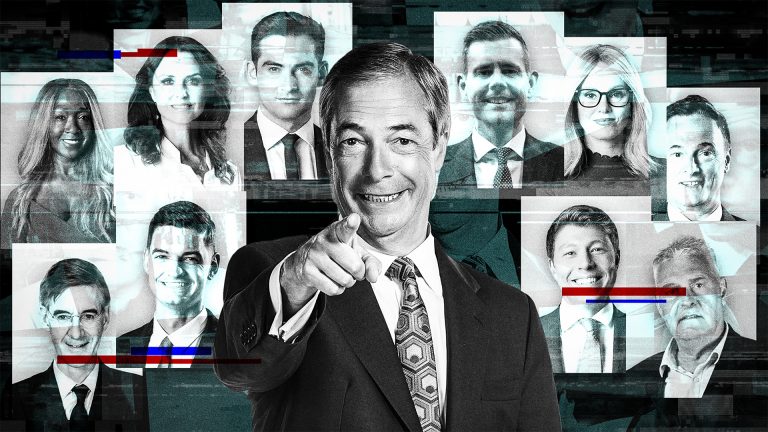
GB News Scandal: The presenters

Claudia Winkleman’s chat show is afraid of Claudia Winkleman