In the early hours of June 24, 2016, Sunderland was the second region in the UK to declare its referendum result. A far bigger win for Leave than expected – by 61% to 39% when the gap was supposed to have been around six per cent, was the first sign that Remain had lost.
The pound immediately plummeted, but at the count in Sunderland, there were wild celebrations. That was despite warnings that Nissan, one of the region’s biggest employers, might leave if the UK voted to Brexit.
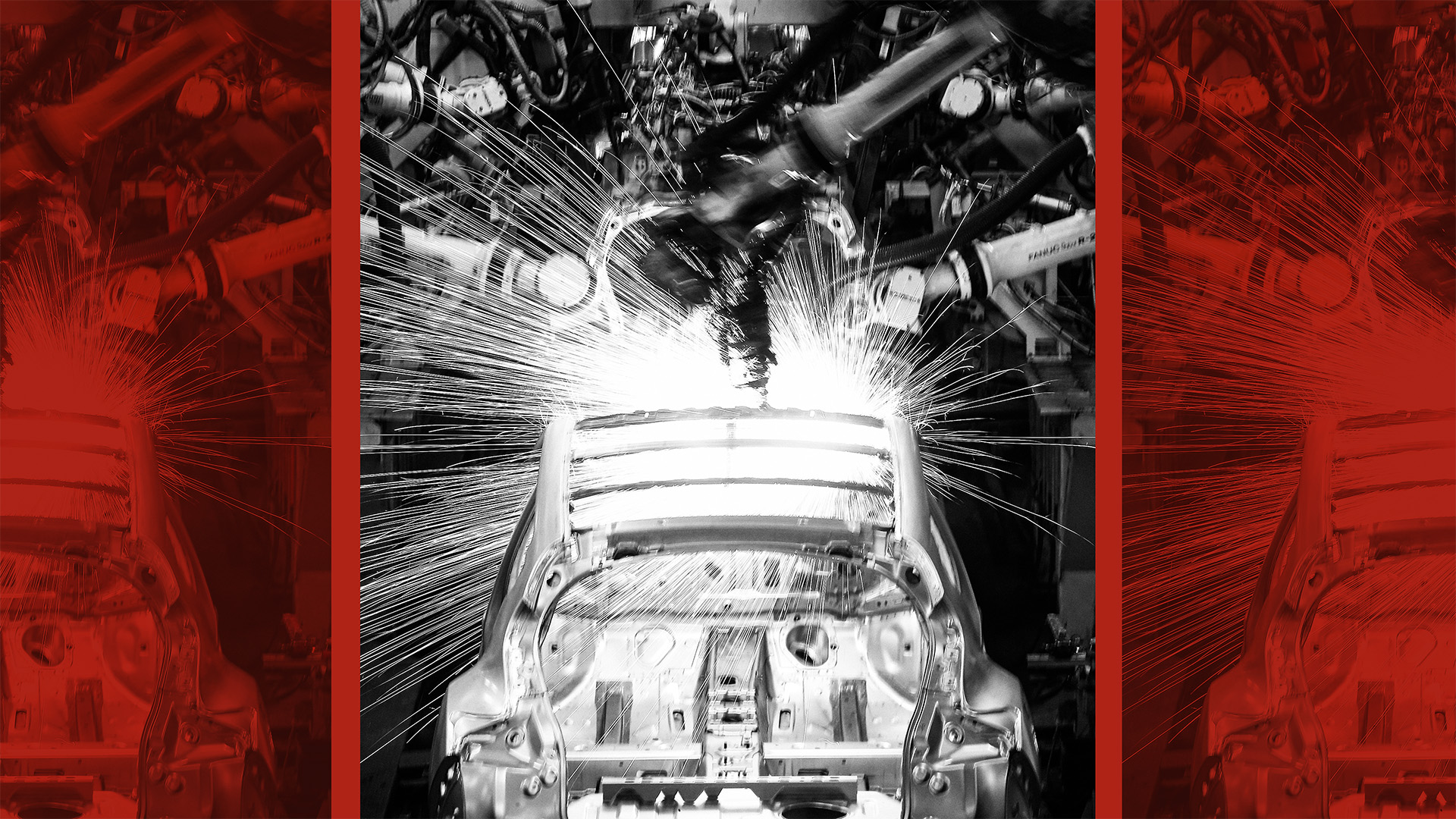
Almost 10 years down the line, the Japanese car giant is still there, and employing 6000. But maybe not for much longer. Having milked Brexit for a decade in order to get more support from the British government, a new move by the European Union may be the straw that breaks the camel’s back.
The EU is proposing “Made in Europe” manufacturing targets for the European car market. Large fleet buyers and small electric vehicles would in future have to be assembled in the EU to be acceptable.
This would not block all car exports to the EU from the UK, but Nissan is warning that if we are not “fully included” in Made in Europe, it may have to close its Sunderland plant.
Suggested Reading
The bold Brexit moves that could save Labour
This is a potential death sentence for mass car production in the UK, which is dependent on exports to the EU to survive. Made in Europe would hit not just Nissan but Jaguar Land Rover, BMW/Mini and Toyota too.
The British motor industry exports well over 75% of all the vehicles made here, and that accounts for 13% of all our goods exports. But over the last 10 years, since Brexit, car production has halved. We now make well under 800,000 vehicles a year, just the continuation of a longer-term decline.
The UK is no longer a major car-making nation, yet the industry is still hugely important to our economy, with a turnover of £92 billion a year. Some 2,500 companies supply the major producers and around 800,000 people work in the car industry, directly or indirectly.
But even more importantly, the industry is almost exclusively foreign-owned, has brought in tens of billions of pounds of foreign investment and is, as a result, far more productive than other parts of the economy. The drive for excellence and productivity filters down from the hyper-efficient car plants to their huge suppliers, sub-contractors and sub-assembly factories and throughout the economy.
This is exactly why the OBR has always warned that the economic cost of Brexit comes from falling trade, lower investment and lost productivity. If the car plants go, so does much of the UK’s economic advantage in manufacturing; the shock waves will ripple through the entire economy.
The British government is therefore lobbying like mad to prevent this move from the EU. Brussels has not yet decided whether to allow UK car makers to be part of its new industrial policy, or whether to exclude them. Even if only a part of the UK industry is blocked, it would be a disaster.
But all the UK government can really do is lobby. Having left the EU, it is not in the room, it does not have a vote, it is asking other European countries to allow a non-member, a former member which has cost them all a fortune in recent years, to get special treatment.
When you put it like that, the prospects do not look too rosy – not least because I was told immediately after Brexit that leaving the Single Market meant the death of mass car production in the UK, sooner or later. Ten years on, the moment could be upon us
I can only assume the Brexiteers will blame the Labour government for not ordering Brussels to bend to its will. If the worst happens, they will try to make political capital out of this – and 10 years after it celebrated Brexit, Sunderland is just the kind of area where Reform is doing well.
It’s ironic that the party led by the original Brexiteer continues to thrive in a place that its leader and his failed project has done much to destroy.
Follow Jonty Bloom on Substack at Jonty’s Jottings
 Most popular

Trump’s dark legacy: The world now sees America as worse than China

Trump: Dead soldiers are walking around without legs

The Farage-Trump friendship has gone cold

The Telegraph welcomes its new German overlords