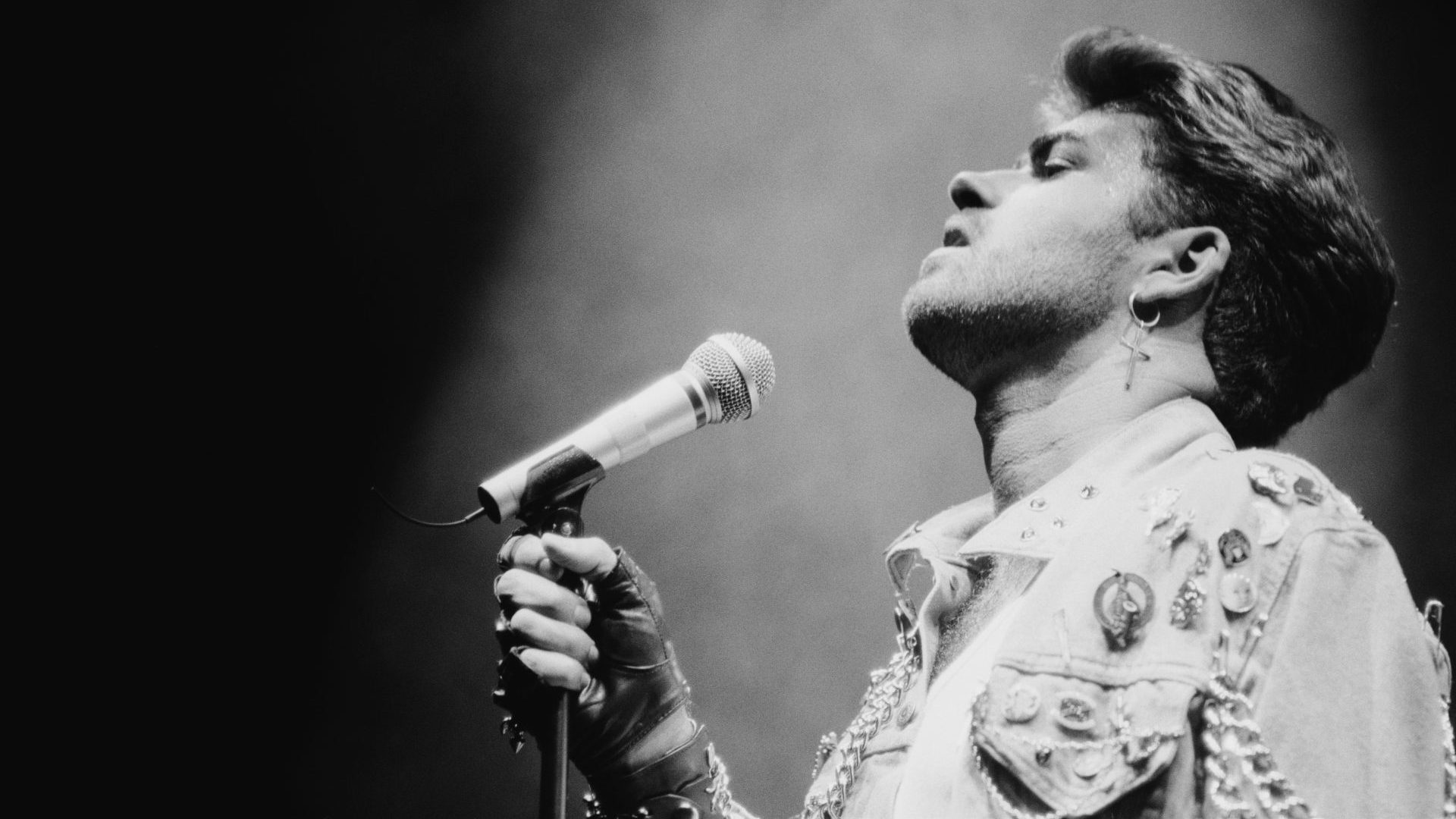
It’s July 26, 2007, and George Michael is glowing as he strides out on stage for another night of his “25 Live” tour, celebrating a quarter-century in the music industry. This is the first time he has performed live in Greece, a major event not just for the singer but for the whole country.
“Ευχαριστώ για αυτά τα 25 χρόνια,” he says to the Athens crowd: “Thank you for these 25 years.” It is quickly followed by some of his trademark self-deprecation: “That’s all the Greek you’re getting,” he says. And then, “Are you ready to dance?”
“Georgios, Georgios, Georgios”, the crowd chants, and George puts his hand on his heart, humbled and delighted. After solo songs and Wham! nostalgia, he unfolds a Greek flag and once again glows with pride. “Georgios, Georgios, Georgios”, the crowd sings again, audience and artist allowing themselves to absorb the moment.
“That was the first time that people in any country of the world called me by my real name,” he later said about that special night, one of the few times in his life he was able to be both Georgios and George simultaneously.
“My name is Georgios Kyriacos Panayiotou,” he wrote in his 1991 autobiography. “To the outside world I am and always will be known as something else but it’s not my name. I created a man that the world could love if they chose to, someone who could realise my dreams and make me a star. I called him George Michael.”
Georgios was shy and insecure. George was everything Georgios wanted to be. Feeling not quite Greek but not quite British, a young Georgios went down the route of many uncertain teenagers – he chose Top of the Pops as his guide. Music made sense to him, and he quickly realised it was a world that could help his quest to find an identity.
It had been expected that he would follow his restaurateur father Kyriacos “Jack” Panayiotou into the family business, but Georgios retreated to his bedroom, with fantasies of being a pop star. “I spent my whole childhood, from the age of seven until the day I got a record contract, having rows with my parents and specifically my father,” he said.
The two would fall out, scream at each other, or not talk at all. Jack was not optimistic about his son’s dreams of being a pop star. “He didn’t think I stood a chance in hell. He had no confidence in me whatsoever.” Later, the pair would reconcile, and when George played Athens in 2007, he was able to tell the crowd: “My family are in a box over there. Give them a wave! I can see them! I’d know my father’s belly anywhere!”
Suggested Reading
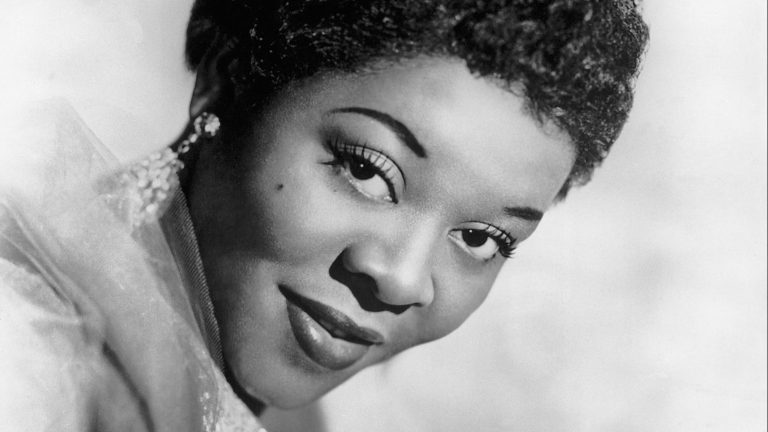
Dinah Washington, the Queen of the Blues
Having signed a record deal with his best friend from school, George Michael’s career allowed him not just to travel the world but to change it, performing landmark shows of political and cultural significance. On April 7, 1985, at the Workers’ Gymnasium in Beijing, Wham! became the first major western pop act allowed to perform in communist China.
“It was the hardest performance I’ve ever given in my life,” George said of singing to an audience who had been ordered not to dance. “I couldn’t believe how quiet the crowd was at first.”
One month later, he was performing Don’t Let the Sun Go Down on Me at Wembley Stadium with Elton John as part of Live Aid – a lack of response from the crowd not an issue this time. The concert, raising money for famine relief in Ethiopia, sprung from Band Aid’s Do They Know It’s Christmas? charity single of the previous year, on which George had performed.
It soared to number one, keeping his own band’s Last Christmas off the top spot. There was no jealousy from Georgios, known as “Yog” to his friends and big sisters. In fact, Wham! donated all their royalties from Last Christmas to Ethiopian famine relief.
As a result of those two huge singles, George Michael was always going to be associated with the festive season. “I do love Christmas,” he said. “I always have loved it, ever since I was a child… at Christmas everyone would calm down and be nice to each other for a few days, and that used to make me feel very safe.” He remembered moments at his dad’s restaurant. “He’d always play Sinatra records during December… so that association is very strong for me.”
At the end of 2016, the association between George Michael and Christmas took on a new level when news broke of his death at home in the early hours of December 25. The shock resounded globally.
In the days that followed, stories of his secret philanthropy began to seep out – money he had donated to individuals, charities and organisations with the strict instruction that no one must know the money was from him. Not only did he fund well-known causes like Childline – to whom he gave all the royalties from his 1996 No 1 Jesus to a Child – and Elton John’s AIDS Foundation, it was also revealed that he had given £15,000 each to women he had seen on the TV shows Deal or No Deal and This Morning, talking about saving up for IVF treatment.
George Michael was a funny, kind man who made people happy through his music, his spark and his generosity. His own life was played out in public, and though he was able to keep some aspects private – like the death from Aids-related causes of his lover Anselmo Feleppa in 1991 – his substance abuse led to legal troubles and salacious headlines. A songwriter who was once so prolific released only one album of original material in the last two decades of his life.
By the time of his death, however, things were calmer. After years of struggling with his own self-confidence, he felt more able to be himself. “I think as I get older, I am more and more Georgios,” he said.