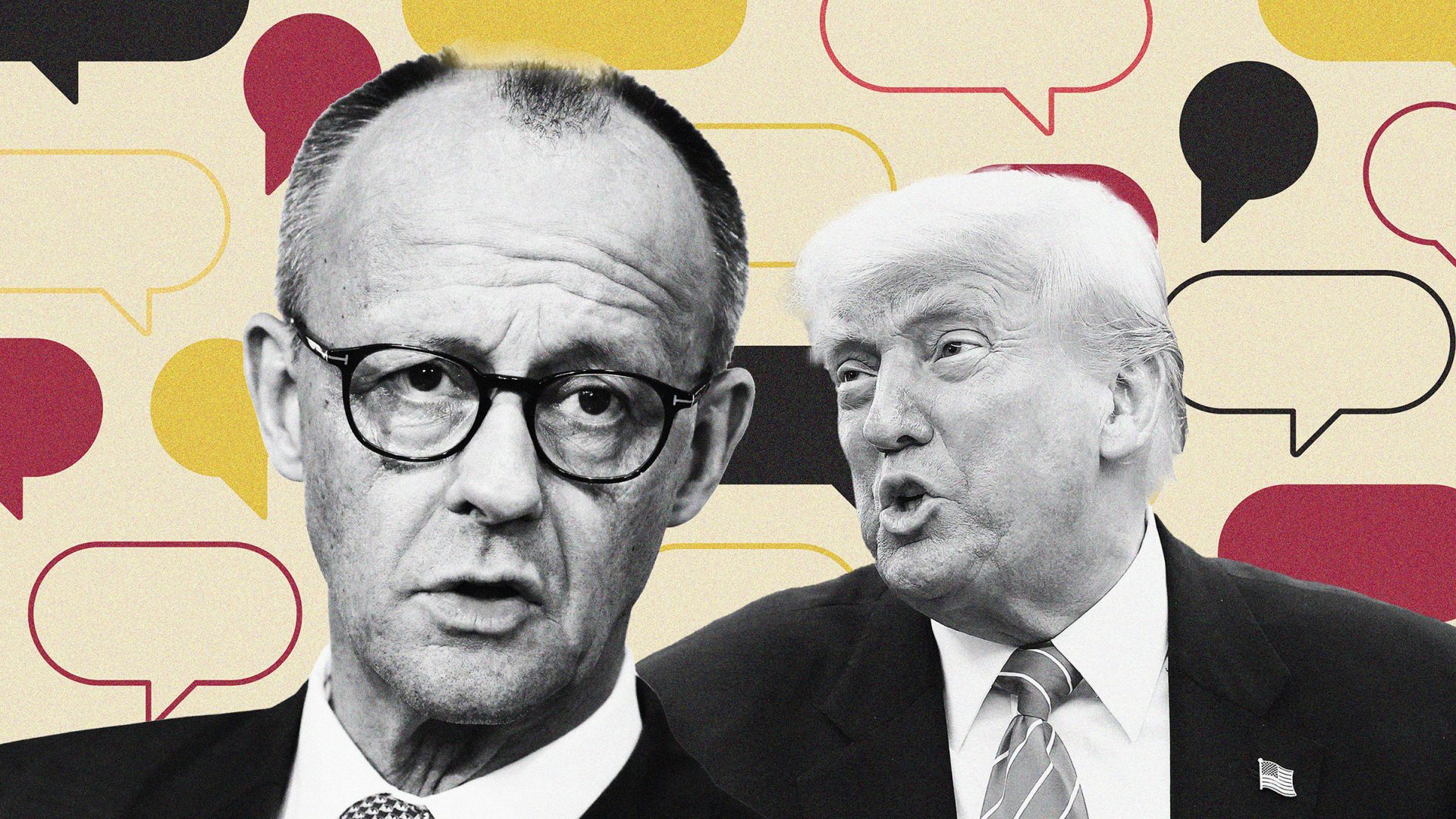
As he steps into the White House to meet Donald Trump, Friedrich Merz will know, as the Germans put it, that he is walking on raw eggs.
That would have been the case even before the US-Israeli attacks on Iran and the conflagration across the Middle East that has followed. Even though personal relations between the President and the German Chancellor have been less toxic than is the case with other European leaders, the tensions are enormous.
There was already Ukraine to deal with, plus Greenland, plus tariffs, not to mention the overt intention of the US government, as set out in last November’s National Security Strategy, to support far-right ‘patriotic’ forces and undermine liberal democracy.
This new, and by far biggest conflagration, has demonstrated the extent of Europe’s irrelevance to the Trump administration. Not a single leader appears to have been informed in advance – some are hiding their impotence behind the ‘I can’t say because that would be to break a confidence’ excuse.
Like Keir Starmer and Emmanuel Macron, Merz hardened his position on Sunday, day two of the conflict, making clear Germany’s support for the US and Israeli air strikes that killed Iran’s Supreme Leader, Ayatollah Ali Khamenei. ‘The Federal Government shares the relief of many Iranians that this mullah regime is now coming to an end,’ Merz said.
Suggested Reading
Iran war: It’s time for Europe to become a superpower
In another shift designed to please the White House, or at least keep criticism at bay, Merz appeared to suggest that, in the eyes of Berlin, pragmatism took precedence over a rules-based foreign policy. ‘International law classifications will have little effect on this – especially if they remain largely without consequence,’ he said.
Merz and his foreign minister, Johann Wadephul, have repeatedly declined to say whether they believe the US actions are in violation of international law, while hinting they may well be. ‘Despite all the doubts, we share many of their aims’, the chancellor said, before adding. ‘We’re not going to be lecturing our partners on their military strikes against Iran.’
This is the Germany of the second Trump administration, a harder-edged calculus and an acceptance that power politics is the only politics.
Berlin, Merz noted, would draw ‘sober conclusions’ from events as they unfold. The trouble is they are unfolding without any ability of outsiders to control them. In a television interview on Sunday evening, Wadephul became increasing testy when pressed, even suggesting that it was up to travel companies, not the government, to help Germans get out of the Gulf and other areas of danger.
Unlike Starmer, berated by Trump for not allowing British bases to be used from the outset, Germany does not have that potential source of acrimony. Wadephul made clear though that the small contingent of forces in Erbil in northern Iraq, Jordan and the Gulf would fire in self-defence if attacked. While the military danger for Germany is remote, the government is increasingly alarmed by the prospect of terrorist attacks, particularly against Jewish or Israeli ones. Security has stepped up across the country.
The biggest danger facing Merz is the lose-lose politics of dealing with Trump. If he ingratiates himself too much, he will alienate his coalition partners, the Social Democrats, and some in his own Christian Democrat party. If he provides the president with anything less than fulsome support, he lays himself open to the public berating that has faced other leaders.
During his first and only previous visit to the White House, nine months ago, Merz received plaudits for striking a balance. The stakes now are even higher.
Suggested Reading
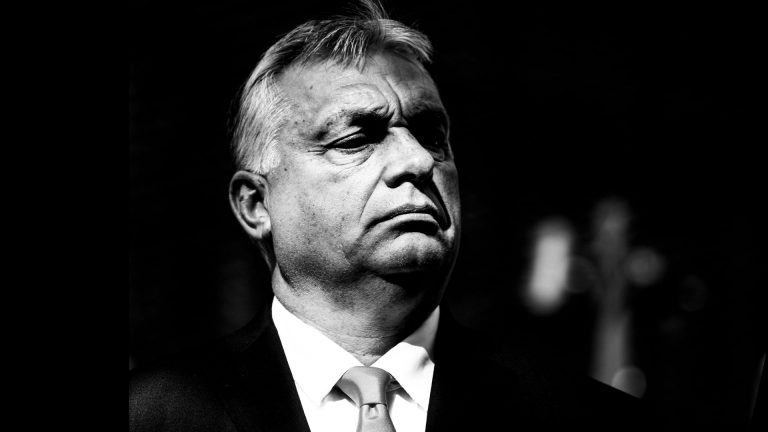
Viktor Orbán, the man who broke Hungary
Trump and his senior lieutenants are openly embracing the far-right AfD, which continues to lead opinion polls in Germany, as Merz’s own ratings doggedly refuse to climb. The far-right party has a dilemma of its own – it has benefited hugely behind the scenes from the support it has received from the Administration, but it tries not to advertise it, given Trump’s unpopularity among German voters of all hues.
Germany is re-arming fast, but it will remain dependent on the US for its security for many years to come. It is also recalibrating its relationship with China, and Merz’s visit there a few days before Washington went off without a glitch. One of the most intriguing indicators of the changing priorities of Western states is the visit of the past few days of Canada’s prime minister, Mark Carney, to India. Everyone is looking for new partners, if not friends.
In the short term, the biggest danger for Merz are the economic effects of the Iran conflict. Germany’s vulnerability to energy imports, particularly gas, led to its dependency on Russia in the post-Cold War era of Angela Merkel. That is now gone, but it has transferred its exposure to elsewhere, including the Middle East.
Just as Germany was beginning to turn the corner after several years of economic contraction, the last thing it needs is a spike in inflation and a return to recession. With crucial regional elections ahead, the AfD would reap the benefits of that. It would blame Merz, not the man responsible for the mayhem. And that would suit Trump just fine.
 Most popular
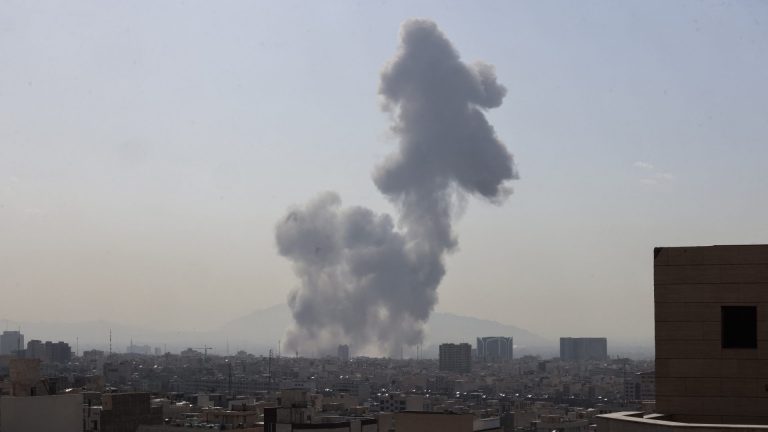
US attacks on Iran push the world towards chaos

Yet another Brexit prediction turns to dust

Dear Matt Goodwin, why are you such a bad loser?
The big secret of Small Prophets