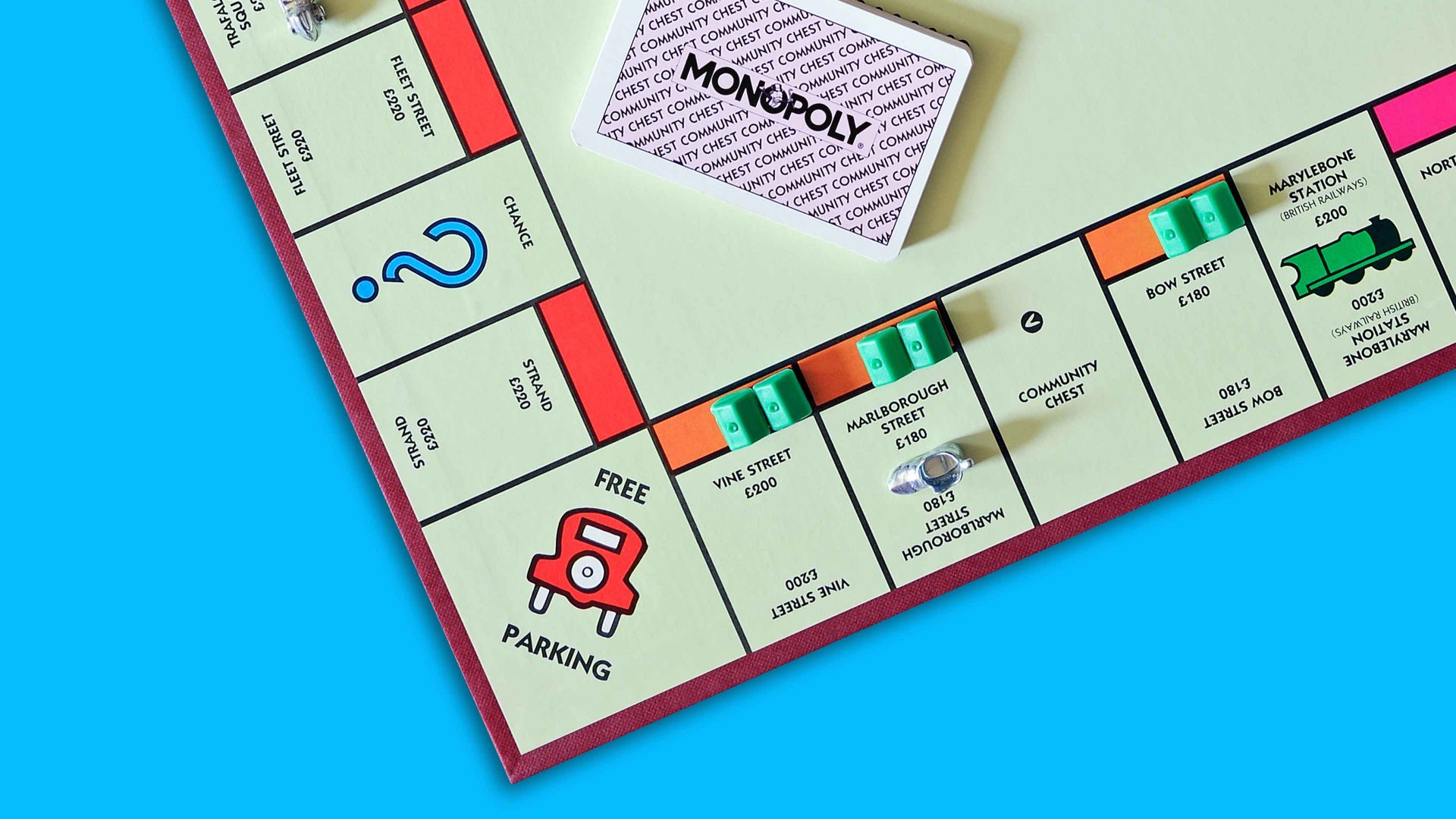
For many families, Christmas is a time for getting together, exchanging gifts, sharing a wonderful meal, and then having a horrible falling out over a game of Monopoly.
It’s become the board game everyone loves to hate. It notoriously goes on forever, prompting almost everyone to cheat, and anyone who has played the game has experienced the wildly irritating scenario of being on the verge of winning – only for their last remaining opponent to win £2,000 after landing on Free Parking, trapping you for god knows how much longer.
How did such a seemingly badly-designed board game become one of the best known (and bestselling) in the world? Some theories lie in its origins: Monopoly, then called the Landlord’s Game, originated as a moral example for Quakers against the risks of untrammelled capitalism – it was intended to teach us a lesson, more than to be great fun.
Through a slightly convoluted series of dubious ripoffs (though original inventor Lizzie Magie did get some compensation for her patent), the game evolved into Monopoly as we know it today, where the base game has been essentially unchanged since 1935. This has led to theories that the game is deliberately bad: it was never supposed to be fun, it was supposed to spread an anticapitalist message.
It’s a cute idea, but it’s not really on the money. Monopoly has, after all, been a commercial success on a scale unimaginable for the makers of most board games. Perhaps now, 90 years after its creation, we can blame that on momentum, but for a time people clearly bought it because they thought it was a good game.
Why, then, is it such a cause of strife? The two big problems are how long it lasts – especially if no-one lands on the right squares – and how much it feels down to chance. Here’s where the plot twist comes, though: you’re almost certainly playing Monopoly wrong. And it’s your fault that the game is so horrible to play.
Be honest – when did you last read the rules leaflet that comes in the Monopoly box. Have you ever read the leaflet? You might well think you don’t need to do so, because we all know how to play it. We all endured it during childhood, after all.
But here’s the thing: there is no rule within Monopoly that ever requires putting money in the middle of the table. All money from fines, Super Tax, Chance, Community Chest, and anything not paid directly to another player is supposed to go to the bank.
Suggested Reading
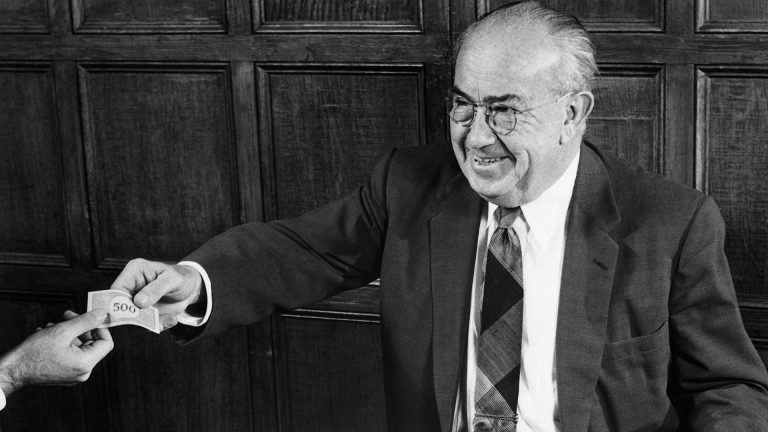
The secret history of Monopoly
Landing on Free Parking isn’t supposed to do anything, ever. It’s just supposed to be a space you can stop on, for free. There are two other spaces on the board that do the same – “just visiting” on the prison square, and “Go”, which absolutely does not give you double money for landing on the square itself.
All of these are what’s known as “house rules”, modifications to the rules players agree among themselves – and these are completely fine, if everyone is on board. You’ve paid for the thing, you can play it as you like. But they cause a lot of what people hate about Monopoly.
A player is knocked out of Monopoly when they run out of money. The game is designed to make sure that people run out of money: yes, it gives you £200 each time you go round the board, but it has lots of squares and cards that drain money out of the economy, too.
By putting extra money back in, you are automatically forcing the game to be longer. You’ve only got yourself to blame. This is made much worse by the other big rule everyone ignores: if anyone lands on a property that no-one owns and doesn’t buy it, you’re supposed to auction it off to the highest bidder, even if they only offer £1.
That means that the second a space has been landed on, even once, someone will own it. And if you don’t bid for properties, someone else will get them really cheap. This makes the game a lot faster. If you play a game by the real rules, it’s really difficult to make it last much more than an hour.
Monopoly still isn’t a great Christmas game if you play it right. Players can go out early, while the game continues, leaving them with nothing to do but sit there bored. It encourages deals and trades, which provokes sulks. Only one player can win, unlike a team game like charades. There are still much better games out there.
But Monopoly is better designed than we give it credit for. We mostly only have ourselves to blame for its most obvious flaws. There might be a bigger lesson in that somewhere, but as it’s Christmas let’s stick to the small stuff and just say this – if you do get out the Monopoly set this year, why not try playing it right? It might even be fun.
 Most popular

Trump has devastated Iran – and damaged himself


Here's what Zelensky really thinks of JD Vance


A Green wave is ready to wash away Labour London – and this is why

Exclusive: New Ofcom chair appointed – but will he fix Musk and GB News?