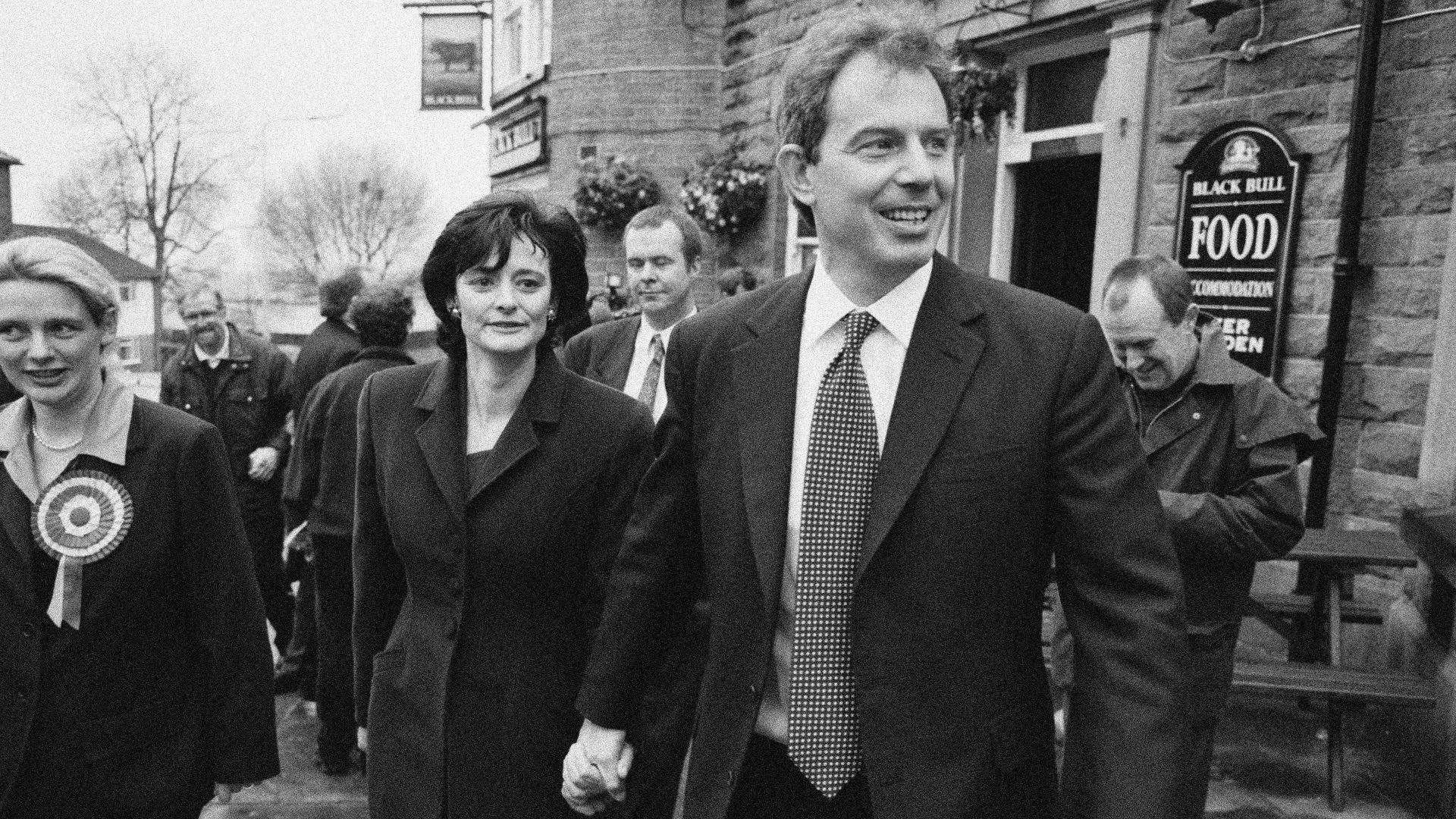
More than 18 years have passed since Tony Blair stepped down as the UK’s prime minister, but the man himself still seems to live large in British political life.
The Labour right is still endlessly described as “Blairite”, particularly by its enemies. The Tony Blair Institute’s policy recommendations – on oil drilling, ID cards, and AI – drop weekly, with wide coverage. Blair himself regularly pops up on the world stage, most recently lobbying with mixed success to run Trump’s peace committee on Gaza.
That makes the prospect of watching a four-hour documentary – split into three parts across Channel 4 this week – on Blair and the Blair era feels like something of an ambivalent prospect. Do I really need to reflect on Tony Blair, when his presence still feels close to all-encompassing?
To his credit, filmmaker Michael Waldman does everything he can to provide a compelling answer to that question. He has extensive access to almost every key figure from around Blair’s rise and his premiership. Blair himself is present, as are most of his key aides – including, of course, The New World’s own Alastair Campbell – and even his children. Interviews with some of the Sedgefield Labour members who selected Blair as their candidate in 1983 are entertaining and enlightening.
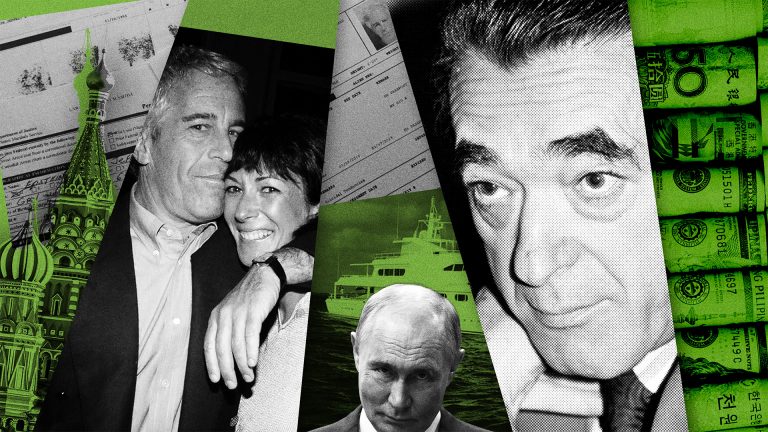
Only Gordon Brown, a looming figure throughout the story, is notable by his absence as an interviewee. The documentary is, though, having to reckon with the renewed recent disgrace of Peter Mandelson, who it extensively interviewed. Reports suggest the documentary is being re-cut to minimise Mandelson’s contributions, but it is not clear whether the previews watched by The New World were the old or the new versions. Even Blairite scandals extend into the present day.
The early effect of the documentary is one that Blair himself will surely appreciate. It is hard to get all that far into the first of the three parts without being struck by just how talented a politician Tony Blair was, and is. His natural and easy style in archive footage is unmatched by anyone in frontline politics today.
And while Waldman comes across as a talented and patient interviewer, when Blair chooses to do his ‘I’m levelling with you here’ trick, he almost effortlessly gains the upper hand in their exchanges. Tony Blair is good at this, and boy does he know it.
Then, of course, the freight train we all knew was heading our way arrives. The second of the three episodes is about the Iraq war, which is probably necessary given the terrible consequences of that conflict are still playing out to this day.
But everyone involved has made up their mind on this issue. Blair is never going to say he got this wrong. He seems genuinely convinced that he didn’t get it wrong.
Suggested Reading

Keir Starmer fights to the bitter end
The story is well told, but awfully familiar, except for a lively scene in which Bill Clinton – who seems determined not to cause trouble for his friend – desperately tries to avoid saying that he wouldn’t have invaded Iraq were he in Blair’s place, never quite saying the words but with his body language speaking volumes.
A brisker final volume on Blair’s downfall also does a cursory scan of Blair’s career after frontline politics, and his desperate desire to build a legacy that transcends Iraq – his time as the “Quad’s” Middle East peace envoy, his hopes that the Tony Blair Institute will outlive Tony Blair, and his latest attempts to inveigle himself with Trump on Gaza.
As ever with Blair, it is the desire for a legacy that seems most likely to squander it. Liz Truss might be the most obvious post-prime ministerial flameout, but there is an argument that Blair’s meltdown is lower-key but more consequential. He has raised hundreds of millions from autocracies and pro-Trump billionaires.
His think tank has funding others could only dream of, but precious little credibility or creativity for that budget. Blair himself comes across as almost desperate to still be on the world stage – described in the documentary by one observer as “a statesman without a state”.
Ultimately, the documentaries will raise an eyebrow or two but change no-one’s mind, and there are worse sins television can commit than that. If there is a standout performer, it is surely Cherie Blair, a tour de force whenever she is on screen, whether it is archly denying being a Lady Macbeth figure or delicately suggesting Blair might have given Brown the impression he’d stand down without ever saying it.
Her most cryptic remark, though, comes right at the end of the documentary. “He is an amazing politician,” she says, after a pause, when asked about her husband’s flaws. “As a husband and as a human being, that’s a different matter. But that’s really between me and him.”
Now, whatever could that mean?
The Tony Blair Story is screened on Channel 4 on February 17-19, and is streaming from February 18 on Channel4.com
 Most popular
Matt Goodwin, Zack Polanski and Lucifer: the fight for Gorton and Denton
Face it: Trump’s going mad
Am I still a friend of Peter Mandelson? It's complicated

Three years to save Europe