Of the 411 Labour MPs sent to the Commons at the last election, 243 were new to the job. Such was the scale of Labour’s victory – less than two years ago – and the influx of new blood into Westminster.
Labour’s new MPs had high expectations. They had been elected just as Labour returned to government after 14 years in opposition. They were part of a landslide victory on a similar scale to Tony Blair’s first win in 1997. They thought they were about to be part of a similarly transformative administration.
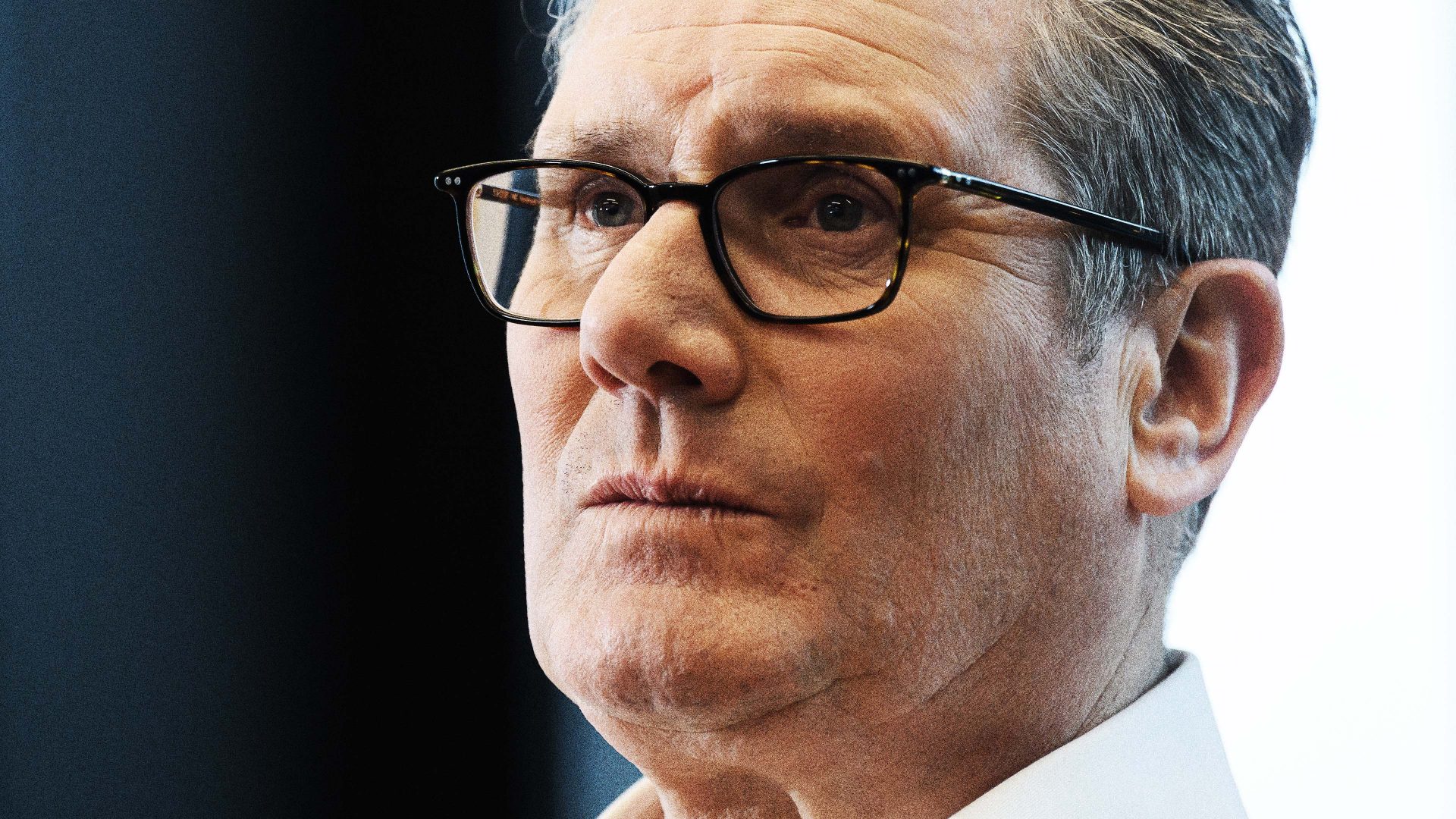
Needless to say, Labour’s new cohort has got used to disappointment in the 20 months since that landslide victory. In record time Keir Starmer has gone from the untouchable leader who delivered a historic victory to baggage weighing the party down.
Labour’s MPs have become desensitised to U-turns, own goals, and headlines about melodrama and civil war inside Number 10. Most have kept their heads down, waiting for the moment when Starmer might be replaced – ideally when there was an obvious successor waiting in the wings.
Suggested Reading
Epstein, Robert Maxwell and the Kremlin
This week, though, was different. Something changed abruptly between Tuesday, when the Mandelson debacle was just another scandal among many, and Wednesday, when Keir Starmer was forced to admit the obvious at PMQs: that he had known of Mandelson’s continued association with Jeffrey Epstein when he appointed him as the UK’s ambassador to the US.
The depth and the needlessness of the scandal hit home all at once, becoming for some a symbol of everything that’s been wrong with Starmer’s operation from the beginning. There was no need for the US ambassador to be a political appointment: there was a talented incumbent in place, in the form of Karen Pierce; she had got on fine with Trump during his first term. No one would have batted an eyelid had she been kept in post, or if she had been replaced with another career diplomat.
Suggested Reading


Don’t blame Mandelson for Keir Starmer’s crisis. Blame Keir Starmer.
Number 10, though, was sure it knew better. It spent significant time and political capital in putting Peter Mandelson into the role instead, and its reward was making sure that when the Epstein timebomb finally exploded, the Labour government was caught in the blast.
Even the defence put up by senior Labour staffers – the ever-shrinking group of Starmer loyalists – feel weak. One party official, who stressed they were in no way defending Mandelson’s appointment, noted that there had been little criticism of his appointment at the time (though some of us did warn it would backfire) – and those warnings that were given didn’t centre on Mandelson’s Epstein connections.
It is true that in 2024, there was little reason to expect the long-running Epstein scandal would be reignited on the scale that it has, not least because Epstein had been dead for five years. Unfortunately for the government, that makes for a terrible defence: “we didn’t think anyone would notice his ongoing association with the world’s most notorious paedophile” doesn’t win back voters.
Moreover, it is hardly a winning tactic to say you are shocked that Mandelson abused a government position to win favour with wealthy friends, given he was fired from government twice for it already. Number 10 is set to be embroiled in a lengthy who-knew-what-when inquiry in which every possible answer is bad, and every Labour MP knows it.
The truth is Keir Starmer was already a politically-dead man walking. Many Labour MPs already wanted him gone by the end of the year. Almost none want him to fight the next election.
The Mandelson scandal hasn’t changed MPs’ minds on Starmer so much as galvanised their views – where previously they were willing to wait, now they expect immediate action.
Unless a Cabinet big beast sounds the starting bell by resigning, that is unlikely to take the form of an immediate challenge against Starmer himself. Instead, MPs want to see Morgan McSweeney out of Number 10 immediately. They know, as Starmer does, that McSweeney is the PM’s last layer of defence.
Once he’s gone, the prime minister is next. Everyone knows that. They want him gone anyway. Until something changes, Keir Starmer is the Labour leader in name only: his chances of ordering his MPs to do anything they don’t wish to are currently less than zero. Starmer’s worst week feels far from over.
 Most popular

Screen scandal: How Ofcom lets GB News get away with it

GB News Scandal: The presenters
GB News Scandal: Read our dossier of their flagrant Ofcom breaches

Do your duty! Watch an hour of GB News