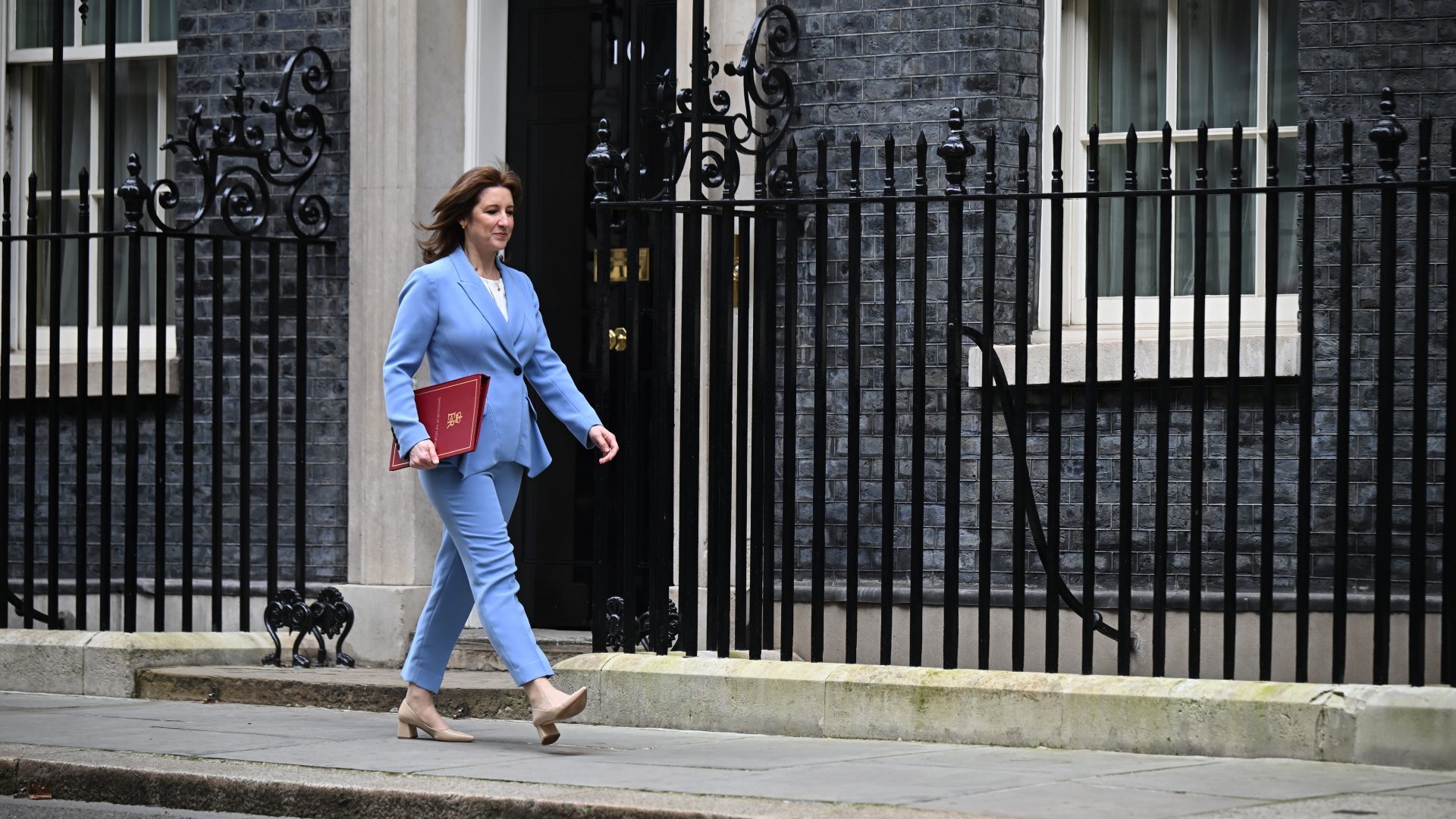
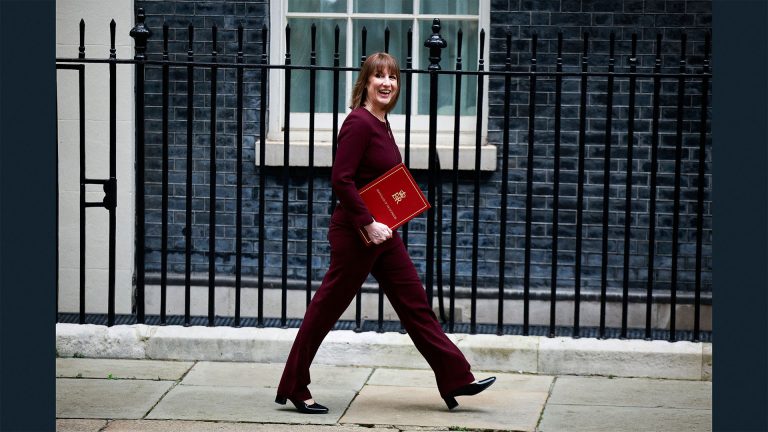
Even politics devotees might have found themselves confused by Rachel Reeves’s Spring Statement this year. Shadow chancellor Mel Stride might have summed up the views of everyone watching when he opened his response to her remarks with a simple question: “Is that it?”
In recent years, the Spring Statement has served as something close to a second budget every year, in which the government tried to unveil major spending announcements, a new tax cut, or some other flashy measure. This has long frustrated civil servants and technocrats, who argued it made UK public finances unpredictable and needlessly politicised.
Rachel Reeves essentially promised to make Spring Statements boring again. She would use it to deliver updated economic forecasts from the Office for Budget Responsibility, give a general update on the government’s plan for the economy – which, you’ll be shocked to hear, she said was going swimmingly – and that would be it.
On this, at least, Reeves delivered in spades. Her speech came in at under 25 minutes, and contained no new policy. That’s one government promise kept, a task that was made easier by the fact that the OBR forecasts hadn’t changed very much since last autumn’s budget (perhaps not surprising given it was only just over three months ago).
The OBR forecasts now suggest that inflation will fall a bit faster than they thought it would, and while they think GDP growth in 2026 will be slower than previous forecasts, they think the economy will grow a bit faster in 2027 and 2028, making it a wash.
Cynics might note that five years of growth of 1.6% or less still looks anaemic, especially when the government promised to make growth its “number one priority”, but there is nothing here to challenge any existing narratives.
There are two problems with that, from a political perspective. The first is that this is a government that desperately needs to change its narrative. The latest YouGov poll has Labour on just 16%, and it lost a heartland seat just days ago. Steady as she goes is a great tactic when you’re riding high in the polls, but when you’re facing electoral oblivion it is a bold move indeed to just throw away one of your big policy set pieces of the year.
Suggested Reading
Rachel Reeves’s bland ambition
The second problem is the bigger one: all of these OBR forecasts were finalised before the weekend, meaning they do nothing to factor in the US war with Iran, which is already spiralling into mass chaos across the Middle East. Gas prices have jumped 90%, oil prices have jumped 20%, and markets across the world are in panic mode.
Hearing the chancellor say that “this government has restored economic stability” and “the OBR expects inflation to come down even faster than in autumn” when everyone knows that the forecasts are already hopelessly out of date just looks tone-deaf and tin-eared. The chancellor still had to present these forecasts, but she surely would have picked up points with the electorate if she acknowledged the truth – that they’re already meaningless.
Reeves performed perfectly ably at the dispatch box, getting in a few better digs at Reform than her ministerial colleagues have managed in recent months. Nigel Farage made it easy for her by not bothering to show up for yet another major event in the parliamentary calendar, but her quip that “if you import failed Tory politicians, you get failed Tory policies” could telegraph a major Labour line of attack against Reform in the months to come.
Rachel Reeves wanted the Spring Statement to be boring. She should then get the credit for achieving that goal. But this year’s Spring Statement was more than that: by the time it was delivered, it was already moot, rendering the entire event pointless. Reeves might have done better if she’d acknowledged that, too.
 Most popular

Iran war: It’s time for Europe to become a superpower

Yet another Brexit prediction turns to dust

Attacks on Iran: this is going to spread

Dear Matt Goodwin, why are you such a bad loser?