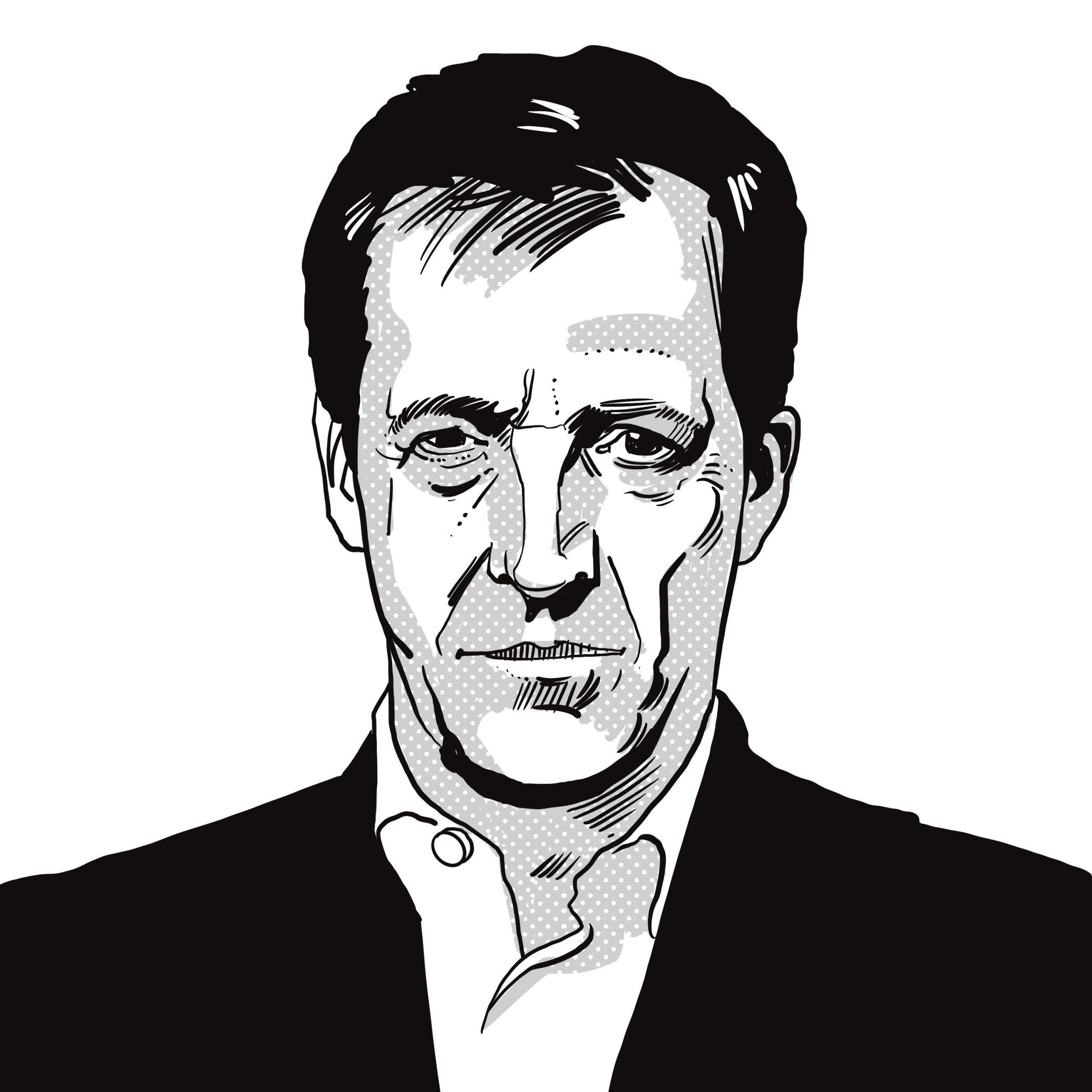

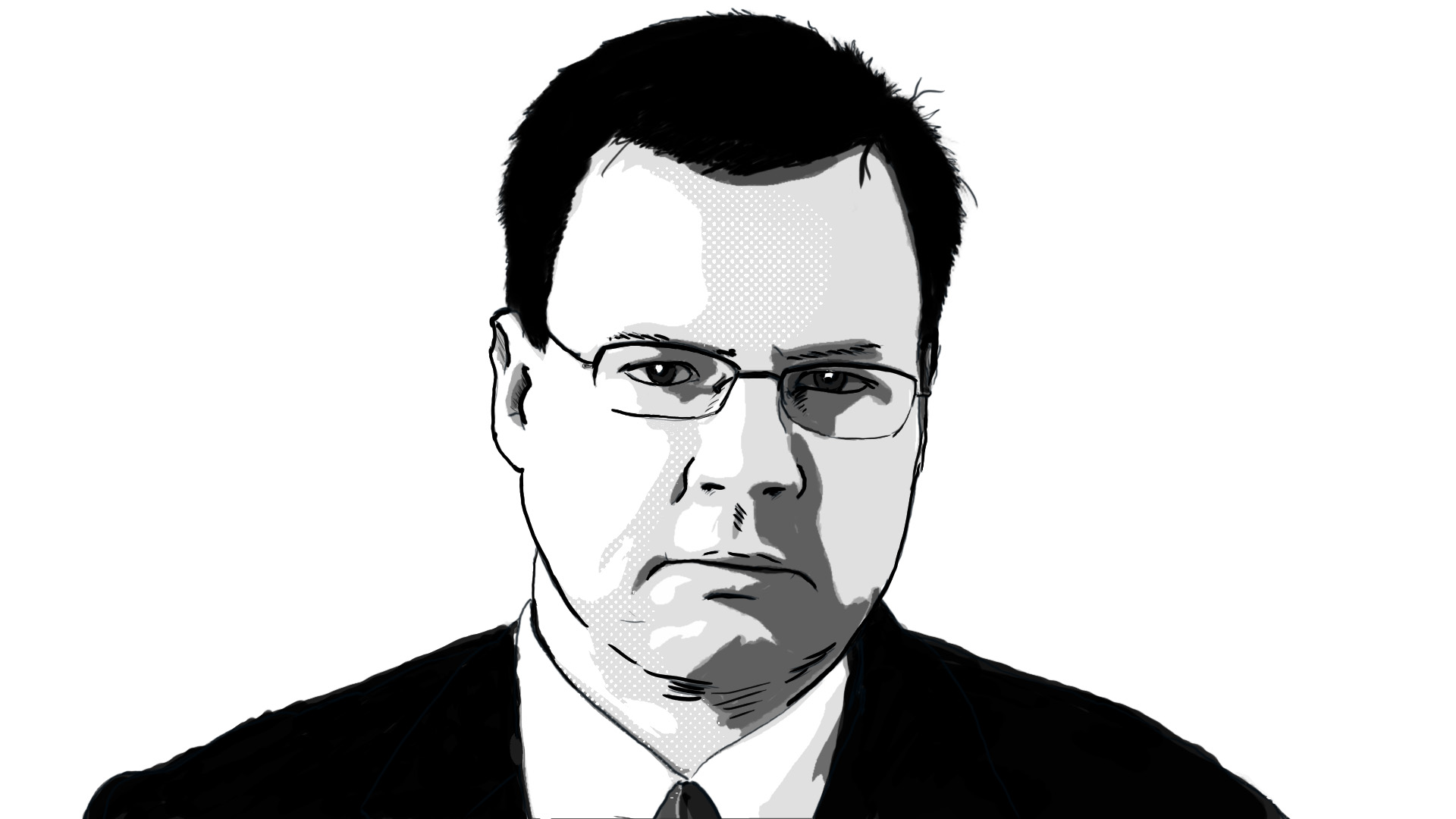
Substacker, GB News host, and 44-year-old honorary president of Reform’s student wing Matt Goodwin has been selected as the party’s candidate for the forthcoming Gorton & Denton by-election.
The news that the contest will have at least one celebrity candidate after all, following the decision by Labour’s NEC to block Manchester mayor Andy Burnham from standing, has been warmly welcomed in at least some quarters. “Thank God. We might actually have a chance of holding it now,” one Labour activist said on hearing the news.
Not everyone in Labour shares that confidence – but almost anyone who knows the area agrees that Matt Goodwin is a strange choice of candidate indeed for the seat.
Goodwin was born and raised in southern England. He is putting great store in his Manchester roots, but these turn out to be that his dad was born in Salford, where Goodwin himself later studied as an undergraduate from 2000-2003. He did two years as an academic at the University of Manchester from 2008-2010, so lived in the Greater Manchester area for a total of five years.
A man who has spent most of his career trading off his academic credentials, boasting he was the youngest full politics professor in the country, is an unusual avatar for a populist party in a largely working class constituency.
Goodwin’s long track record as a pundit means he has a long record of public remarks for which he’ll have to answer throughout the race. Gorton and Denton has a black and ethnic minority population of around 45%, and around 28% of the seat is Muslim – which originally led to speculation that Reform’s former chairman Zia Yusuf would be a strong candidate for the seat.
By opting for Goodwin instead, Reform risks having to defend his recent remarks suggesting that being born in Britain is not enough to make you British, and his other attacks on integration, largely aimed at British Muslim populations. With another candidate like Yusuf, Reform might have been able to pick up socially conservative Muslim voters. Goodwin may struggle to manage that trick.
The result is that Goodwin will have to pick up a huge share of the white vote in the seat, which one activist in the area worried could lead to a racially charged and inflamed campaign – especially if far right activists like Tommy Robinson take an interest in the contest.
Reform is already trying to tweak Goodwin’s CV to suit the constituency, noting in its press release that he was “the first in his family” to go to university – a ‘fact’ that raised eyebrows given his father, who was awarded a CBE by the Queen for his services to the NHS, acquired a Master’s in Business Administration in the 1980s, and a PhD during Tony Blair’s first term. It is hardly a rare crime for a candidate to try to appear more working class than they are, but it is difficult when you’re a high-profile figure and your father has a CBE.
Trying to adjust yourself to fit the profile of this constituency is, in any case, an almost impossible task. There is not in reality one community called “Gorton and Denton”. The constituency is a largely artificial collection of a few distinct areas, clumped together in the last review of boundaries, which aimed to equalise the size of different constituencies.
This constituency contains Levenshulme and Longsight, traditional white working-class areas with a strong Irish community that more recently saw an influx of Asians. Now they are becoming favoured by younger people attracted by a quick commute into the city and proximity to the popular suburbs of Didsbury and Chorlton.
Local newsletter The Mill says median house prices in Levenshulme rose from £86,500 in 2013 to £230,250 a decade later, a rate twice as high as the Manchester average.
Another traditionally white working class area with Irish roots, Burnage is similarly being gentrified. Famous as the birthplace of Oasis’ Gallagher brothers, it is now routinely described by estate agents as “East Didsbury” – and one local says that most of its new residents “would never go to Denton unless they were kidnapped”. Trying to inauthentically present an affinity to so many disparate groups is surely beyond any candidate.
Suggested Reading

Matt Goodwin’s fall into the abyss
Reform won less than 15% of the vote in the 2024 general election, while Labour comfortably won with 51%. Goodwin’s best chance of taking the seat is that the left-leaning vote splits. The Green Party has made it clear it wishes to strongly challenge for the seat, attempting to paint the contest as a choice between Green and Reform.
In practice, the constituency is not an ideal target for the Greens, whose vote tends to skew young, urban, and white. The student population is very low, and for all the creep of gentrification, the hipster crowd is still a minority.
George Galloway’s Worker’s Party will compete aggressively for the left-leaning Muslim vote, having picked up around 4,000 at the general election. Its candidate is the popular Longsight councillor Shahbaz Sarwar. The Lib Dems are unlikely to win the seat, but did secure 1,400 votes in 2024.
Labour is not going to be willing to stand aside for either of those parties. It is the incumbent, the party has a formidable get-out-the-vote operation in Greater Manchester, and Keir Starmer desperately needs a win.
The potential to split the vote could not be more obvious, and now the stakes are clear: if Labour and the Greens split the vote badly enough, they will pave the way for Goodwin to enter the House of Commons.
Expect this to become the message of the forthcoming by-election. Every party except Labour will try to make the contest a referendum on Keir Starmer and his government. Labour will try to make the race a referendum on Matt Goodwin, and his suitability to become a Member of Parliament. The contest will be decided, activists expect, by which story proves more compelling.
 Most popular

Brits living in Dubai – sorry, but you’re awful


Trump: Dead soldiers are walking around without legs
How Brexit could come back to bite Sunderland


The quislings of the right have abandoned patriotism