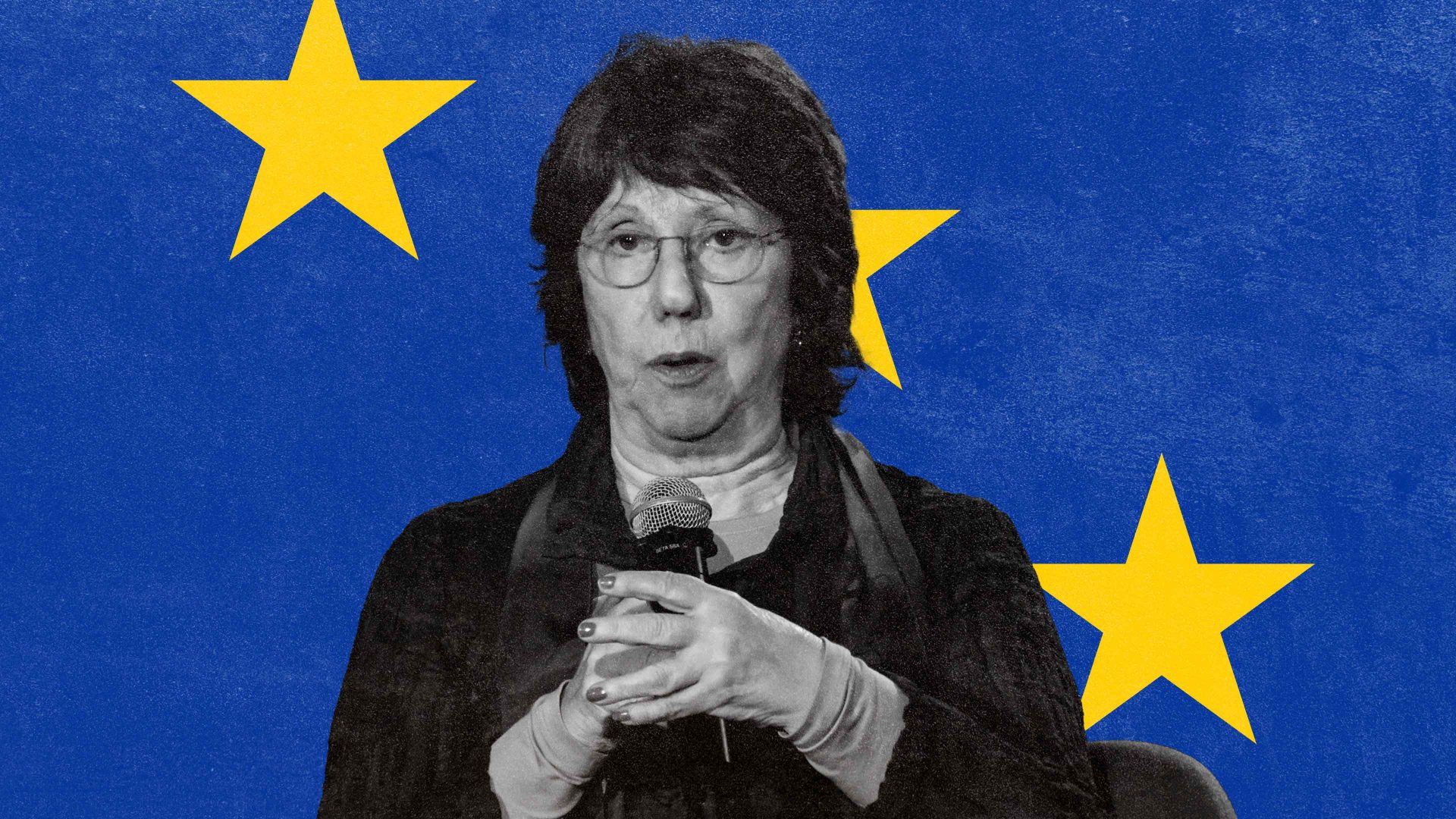
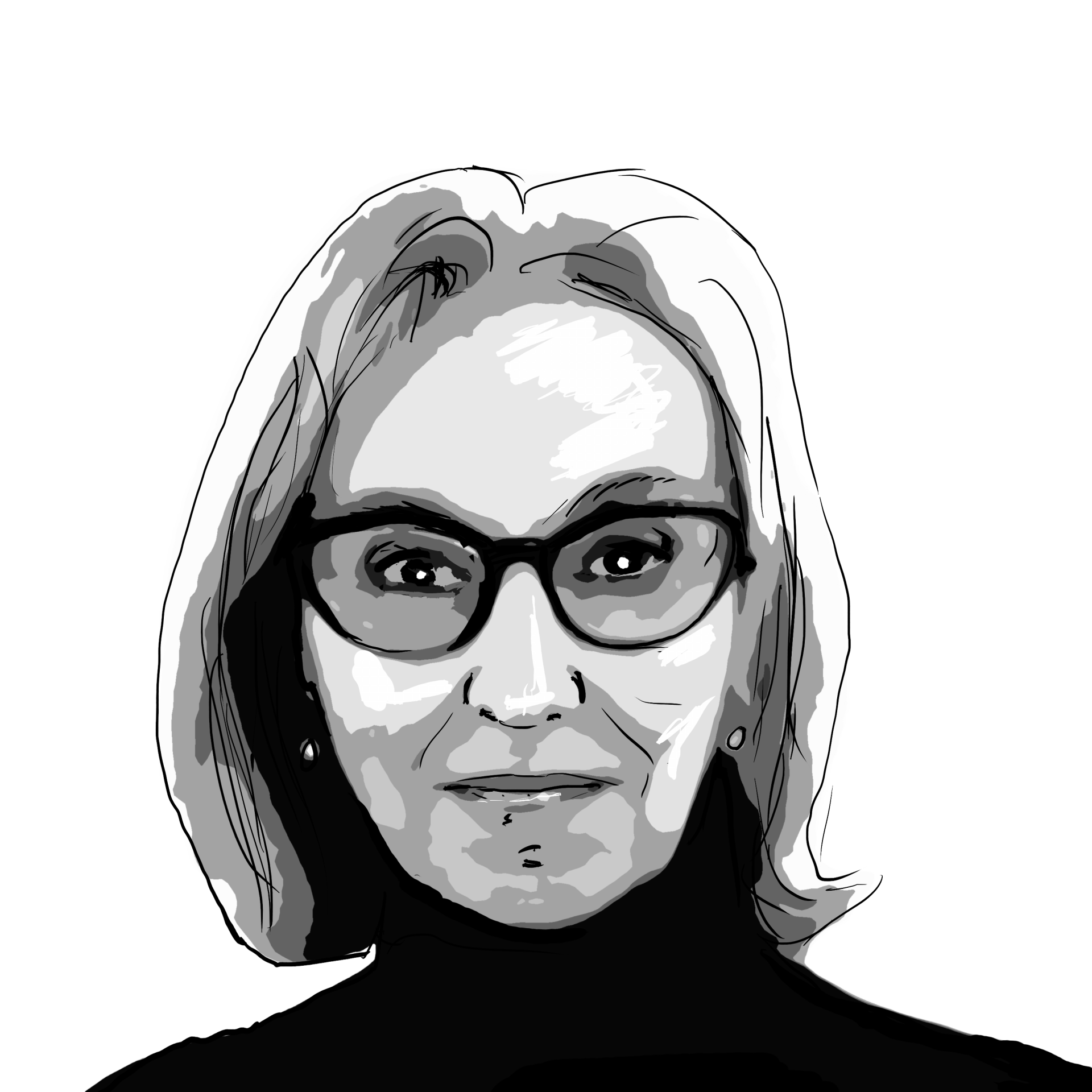
Cathy Ashton was an unusual choice to be the first “high representative of the European Union for foreign affairs and security policy” – in other words, the EU’s foreign minister – a position she held between 2009 and 2014.
She was an unusual choice because she was neither a prominent politician in her home country (although she had held a number of ministerial posts and had been Labour leader in the House of Lords) but nor was she prominent in the world of international diplomacy. But she was a particularly unusual choice because, as her highly readable 2003 book And Then What? reveals, for one of the world’s most important international diplomats, she is unbelievably unassuming.
“I was admired and hated in equal measure,” she writes, “and the hate got to me much more than the admiration… I did everything I could to help, knowing it was never going to be enough, and worried that a better person than I could have done much more.”
Through the book, she brings us inside the diplomatic process, not just the negotiations as such, but the importance of what might seem like irrelevant details – the seating arrangements, the placing of flags, the photo ops and so on. And she also takes us inside the hotel rooms where the negotiating teams had to wait long hours until they were told that the sides were ready to resume negotiations – all the time hoping to grab a bite or a drink before they did.
But the last thing Ashton wants to do is play down the importance of the actual diplomatic process – quite the reverse: “Diplomacy is the ultimate weapon in the arsenal of international relations – and it is underrated and undervalued,” she says. “I always say to people that when you see some seemingly intractable international problem being solved – when you see a photo of the front-line politicians shaking hands, look behind them. It’s the people in the second row – the diplomats – who’ve done all the hard grafting, sometimes over months, even years, they’re the ones whose real achievement it is.”
Ashton’s own achievements included brokering an agreement between Serbia and Kosovo in 2013 and playing a leading role in securing the Iran nuclear deal – eventually torn up by Trump.
When she was first appointed, with typical understatement, she described the role as “slightly frightening”. That was not just because of her lack of experience in the field of international diplomacy, nor because she had to face an almost non-stop tumult of crises – including in Somalia, the Middle East, the Balkans and Ukraine, together with earthquakes in Haiti and Japan – but because throughout she had to keep the governments of all 28 members of the EU on board and create an entirely new corps of international civil servants to manage the EU’s enhanced global role.
Suggested Reading
2026: Democracy’s last stand
Inevitably, perhaps, the subject of Britain and the EU is something that Ashton has to now ponder. Should/could we rejoin? Ashton believes that it’s as much an issue for the EU as for Britain. “They would be insane to take us back unless there was a consensus across the country and across the major political parties – and that’s not yet on the horizon.”
Ashton gives us a valuable peep behind the scenes of the diplomatic process that she so profoundly believes in. She recounts the panic when it was realised that the wrong communique had been distributed to the press, how Putin was happy to chat between the tough diplomatic encounters and how she and her team passed the long hours of awaiting ‘consultations’ by playing a game involving knocking down empty water bottles with Swiss chocolates – ‘Geneva Skittles’ they dubbed it.
Ashton is unwavering in her belief that the only route towards a more stable world is through the spread of what she calls ‘deep democracy’ – not just the holding of elections but the democratic practices that impact people in their everyday lives. “I was struck by how often democracy was at the centre of my narrative – the erosion of democracy, aspirations for democracy and the challenges of building democracy.”
But it isn’t just a tale of successes. Ashton recognises that in retrospect she, and her fellow Western diplomats, could have done more to limit the possibility of Putin invading Ukraine in 2023.
“We didn’t anticipate that Putin wouldn’t just be content with taking the Crimea,” she admits and goes on to explain that in 2014 (as her term of office was ending): “There was separatist activity in the Donbas but no one was taking a great deal of interest. In 2014 we should have put more sanctions on to stop him; and by 2020 the conflict was not the priority it perhaps should have been for the European Union.”
Given that her life revolved around crises, was she not occasionally cast down by the seemingly unending negativity of it all? “Not so,” she says, “you might have to deal with leaders who appear willing to cause chaos and destruction, wrecking the lives of others in pursuit of their own entirely selfish gains. But equally, it was staggering to see what we are prepared to do for people we have hardly met.”
Ashton was not well-known in Britain whilst she played out her crucial role on the world stage, but those she worked with recognised the scale of her achievements. US general David Petraeus described her as “…one of the greatest international diplomats of recent times” and for Britain’s former ambassador to Washington, Sir Kim Darroch, she was a “.. a brilliantly effective diplomat and negotiator.” The lesson from Ashton’s career is that quiet operators should never be underestimated.
And Then What?: Inside Stories of 21st-Century Diplomacy from Kosovo to Kyiv by Catherine Ashton is published by Elliot and Thomson
 Most popular
Iran war: It’s time for Europe to become a superpower
Yet another Brexit prediction turns to dust
Attacks on Iran: this is going to spread
Dear Matt Goodwin, why are you such a bad loser?