I was a pre-teen environmentalist. I lobbied friends at school, secretly turned off the heating at home and consulted Just Stop Oil campaigners on the streets. Unchecked climate change could make the planet unliveable – surely this was the most important issue of today?
Then I became interested in politics and found myself in the kind of world I thought only existed in the pages of the dystopian fiction I studied at school. But here the dystopia was – out in the real world.
Instead of doing anything about the climate, politicians patronisingly lectured us on “pragmatism”, while allowing emissions to grow horrifyingly high, pandering to oil companies, attacking Greta Thunberg and jailing climate activists. Our future seemed unimportant. Adults in positions of power betrayed us.
We suffer from climate anxiety, too many high-stakes exams, disappearing graduate jobs and unaffordable housing. In today’s political atmosphere, we’re mocked as snowflakes for our mental health concerns, demonised for wanting to stop the mass killing of civilians in Gaza, derided for supporting our trans friends and for calling out racism.
None of our concerns seem remotely interesting to today’s politicians, who are obsessed with immigration and especially the views of older voters – when they’re upset, they get the pensions triple lock and Brexit, which itself harms our future.
But the biggest betrayal of all has been the destruction of hope – by allowing the dangerous slide into populist intolerance and irrationality in the first place.
It starts with de-legitimising learning. We work hard to get to university, then we’re told we’re wasting thousands of pounds of tuition fees on so-called rip-off degrees, at one stroke degrading valuable humanities learning.
Yet, if there’s anything I’ve learned from my studies, it’s that subjects such as English literature teach us to understand other people, to think critically, to evaluate arguments and to call out bullshit. Subjects such as these allow us to identify, understand and confront the democratic weakening that we now see.
Suggested Reading


How AI turned Gen Z into narcissists
The logical end-point of attacking the humanities is the banning of books – and just the other day I was scrolling down PEN America’s Banned Books List in bewilderment. Wicked? The Perks of Being a Wallflower? Ridiculous. Even more disturbing is the fact that there is a list of banned books in 21st-century America at all.
It’s like something out of my dystopian literature class. Books are banned in George Orwell’s Nineteen Eighty-Four. They’re burned by firemen in Ray Bradbury’s Fahrenheit 451 to keep the public docile.
Now US teen books about diversity are removed from libraries after attacks by MAGA parents, in order that children don’t get the “wrong” ideas. British libraries close from underfunding – I remember being “sacked” as library rep when my junior school library closed.
Writers such as Orwell and Aldous Huxley no longer seem like a warning from history, but are describing a broken present. Global politics is my revision.
This should be shocking, but it’s not. It’s not like we didn’t know. Dystopian fiction depicts banal, slogan-heavy politics – just like we have today. Half-listening to a podcast in the car, I heard someone comparing Donald Trump’s demand that his cabinet accept he won the 2020 election (he didn’t) to the idea that people would believe Big Brother even if he said 2 + 2 = 5.
Oversimplicity and lack of critical thinking are precisely what enables the populists and the autocrats. The rise of the current authoritarians has been there on the bookshelves all along.
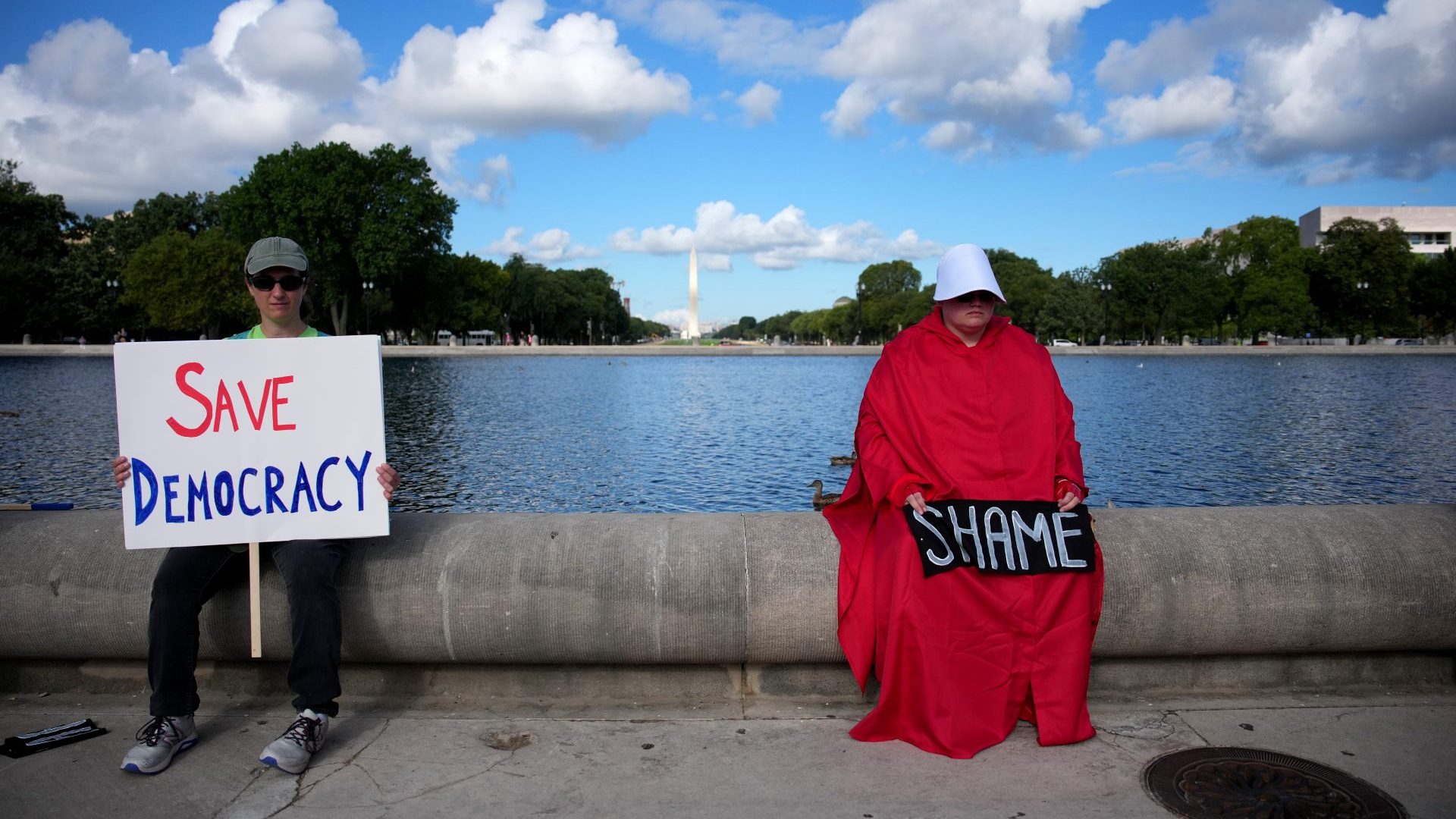
I’ve often come home from school raging after watching TikTok and Instagram posts about abortion bans, regressive “trad wives” or misogynistic “incels”. It’s starting to sound like The Handmaid’s Tale. I’m not surprised women’s rights protesters wave banners demanding: “Make Margaret Atwood Fiction Again”.
We live in a world shaped by politicians’ stereotypical ideas, and those ideas are tilted against the interests of the young. Lowering the voting age might shift the balance. However, with the media in crisis and so many people frustrated with democracy, I think this will only work with the right kind of education.
That education must value deep thinking, and teach schoolchildren about politics, global affairs and democracy. My generation is facing a future full of catastrophic warnings. At least give us the tools to fight this.
Iris Kayakiran is a student