The new Peaky Blinders movie The Immortal Man begins with an improbable idea. As the camera pans across a clandestine operation in Germany, in year two of the second world war, the viewer learns of a dissolute plan to flood the United Kingdom with £350 million in forged currency. According to theory, affixing cash to the hips of costermongers and commanders of the British Empire alike will lead to the collapse of the domestic economy. Invasion will follow.
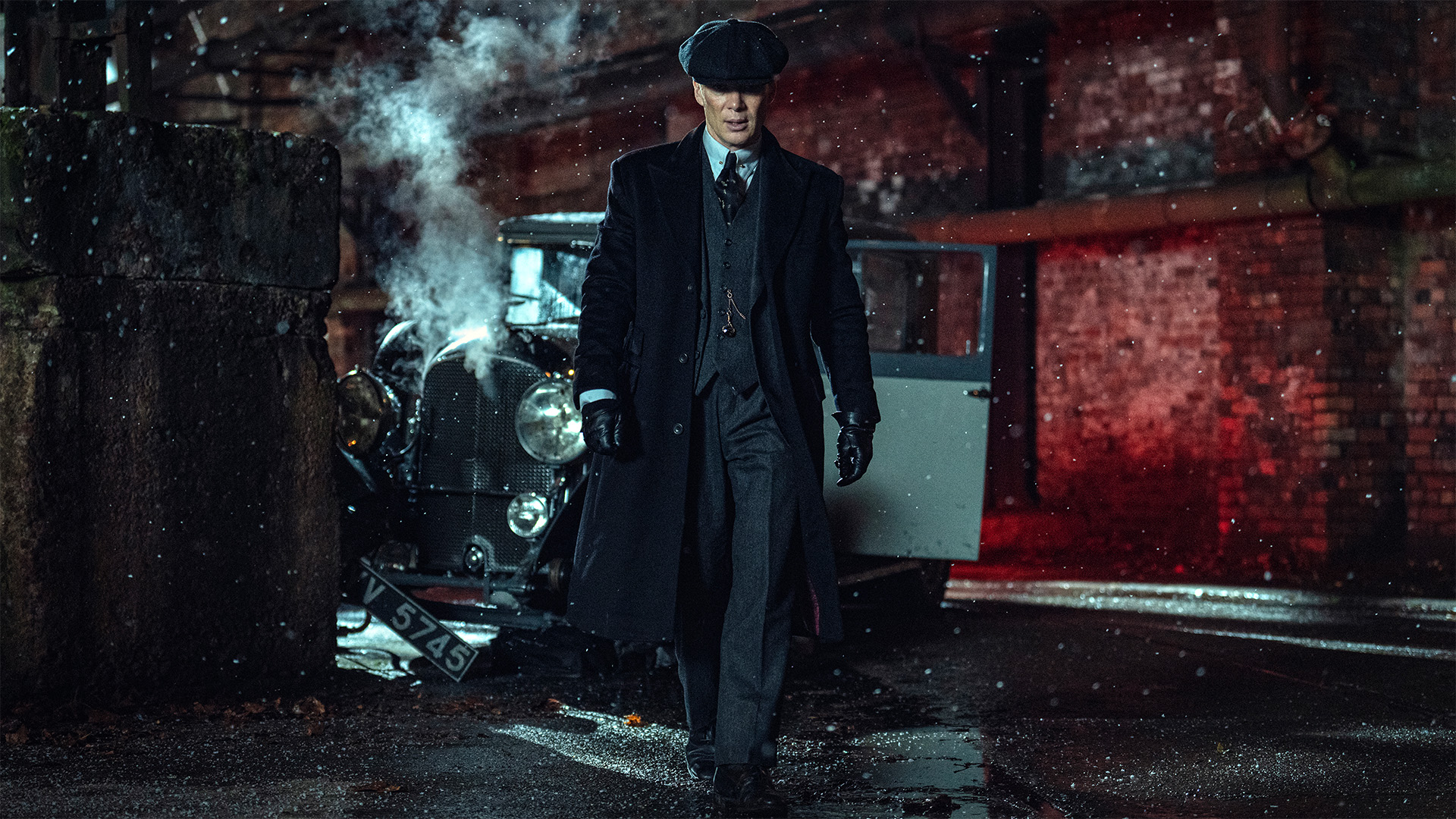
With former gang leader Tommy Shelby (Cillian Murphy) secluded in the English countryside, over in Birmingham, British fascist John Beckett (Tim Roth) is required to make his offer of a sizeable chunk of this queer currency to Tommy’s son Erasmus (Barry Keoghan). Thrumming with ferocity and fear, the young Shelby is the human equivalent of a quarter pound of gelignite strapped to a hand grenade. Beckett, meanwhile, gets the first line of the picture: “Heil fucking Hitler”.
Suggested Reading
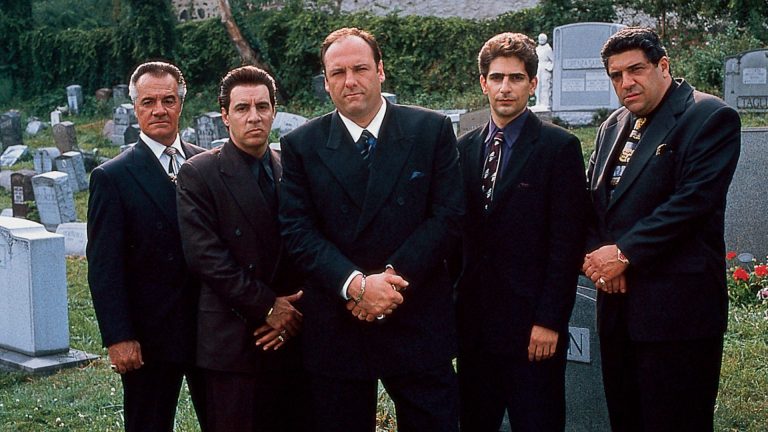

The Sopranos’ Michael Imperioli: ‘The guys in the mob are fans of Trump’
The story that follows bears themes of family, loyalty, belonging, morality, and resolution. The breadth of talent on display in this big screen iteration of writer Steven Knight’s wildly popular television series is such that actors as commanding as Rebecca Ferguson, Packy Lee and Sophie Rundle are used sparingly. Knowledge of the machinations of plots past is helpful but not essential.
Remarkably, the setup is real. Codenamed Operation Bernhard, in 1940, the Nazi intelligence agency Sicherheitsdienst tasked prisoners at the Sachsenhausen concentration camp, in Oranienburg, with printing impeccable images of the King of England on rag paper notes. Plans to drop the illegal tender on Britain from the air were scotched in favour of enlisting the networks and muscle of organised criminal gangs.
In different hands, this promising premise might have heralded a derring-do story in which good trumps bad in broad strokes. With some smoothing of the edges, it could even have been an Ealing comedy. Instead, with a palate of deep and sombre colours, Knight and director Tom Harper graft fiction onto the bones of fact with a seriousness that honours the source material. As havoc is wreaked across rubble-strewn streets, here, life during wartime looks like bloody hard work.
There isn’t the even the luxury of evil in its lavishly exaggerated form. In a decision that nudges the film into the realms of high achievement, the typically peerless Roth plays Beckett as if he were (as the actor put it) “a geography teacher”. Ordinary and chilling, the success of this unprepossessing man depends entirely on the willingness of others to bloody their hands in his company.
Britain, he tells the evidently vulnerable Erasmus ‘Duke’ Shelby, “needs to weed out the impurity that’s growing among us”. Doing so will allow “the good stuff” to prosper, he explains. The banality of his shtick reminded me of the reaction of allied soldiers when faced with Nazis under lock and key at Nuremberg in 1945: We were terrorised by these creeps?
Inevitably, the temptation to conflate the events portrayed onscreen with the present day is strong. Whether intended or not, the resonance is real.
Emitting a brittle bonhomie, Roth’s portrayal of the kind of man who is assured of his right to set the terms of exactly who should be allowed to belong in Britain, and who should not, foreshadows the ghouls of our current age.
Suggested Reading
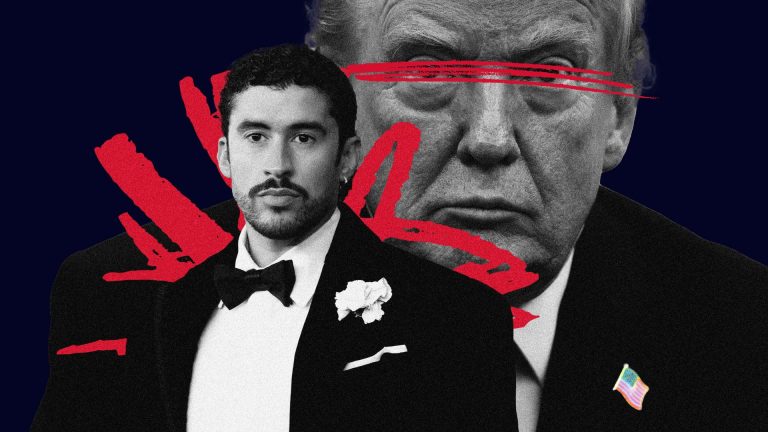
Trump’s Super Bowl culture war
At times, I even had to keep reminding myself that the characters onscreen are unaware of the bedrock of depravity that will be revealed come the war’s end. They have little idea of what is yet to be endured, let alone how their years of hardship will in time be used by some as kindling for chauvinism.
The victory over what Kurt Vonnegut once described as Nazi monkey business served to bestow an assuredness upon Britain and America that is at last showing its age. As can clearly be seen, 86 years after the events portrayed in Peaky Blinders: The Immortal Man, the misplaced certainty that future generations would be forever immunised to the stirrings of sinister melodies has dulled the senses of both nations.
In 1940, though, like everyone else, Tommy Shelby has time only for the present. Emerging into a world in which war is a frightful mess, the stoic resolve with which this violent and haunted man meets the challenge posed by John Beckett, and the danger to his own son, weighs heavy upon his person. Honour, should it ever arrive, can wait.
“We won’t receive medals for what we’re doing,” he tells co-conspirator Hayden Stagg (Stephen Graham), “but what we’re doing is right.”
It should be noted, too, that the film also finds time to memorialise the sacrifices of others in the city it so defiantly represents. With artful elegance, near the start of the opening reel, the cameras focus on a munitions factory in Small Heath staffed by women working a nightshift. As the shopfloor echoes to the sound of delight at the sight of a birthday cake, high above, the abrupt silencing of a whistling bomb threatens imminent danger.
As the credits roll, Peaky Blinders: The Immortal Man dedicates itself to the memory of the 53 people who were killed that night. It’s a respectful nod to the past in a film that says plenty about Britain’s future.
Peaky Blinders: The Immortal Man ia in cinemas now. Ian Winwood is the best-selling author of Bodies: Life & Death In Music
 Most popular
‘Operation Epic Fury – as it happened’
Is Star Wars dead?

Morrissey returns.. and heaven knows he’s mythical now

Iran War: Trump has now sealed his own fate