
In her much-discussed new book American Canto, journalist Olivia Nuzzi describes a trip to Mar-a-Lago in the period of Donald J Trump’s fallow spell between administrations, and the former future president’s frequent visits to the Trump National golf course, two hours away, near Miami.
“He met regularly with an impressive, ideologically diverse range of policy wonks,” she writes, “diplomats, and policy theorists for conversations about the global economy and military conflicts and constitutional law and I’m kidding. He went there to play golf.”
The joke, which is both sharp and insightful, made me laugh out loud. As I placed American Canto on my pile of just-read titles, I wondered why Nuzzi – the butt of countless jokes over her affair with Robert Kennedy Jr – didn’t make more of her own gift for comedy. In a book in which the defence mechanism of laughter might well have been of service, if only as a means of self-preservation, this is the only time the author cracks a funny.
Elsewhere, though, the Nuzzi story is no laughing matter. For anyone not abreast of the minutiae of American micro-celebrity, last year, she was fired from her job as New York magazine’s first Washington correspondent after details emerged of an affair with then presidential candidate RFK Jr, which caught fire while she was writing a profile of him. This and a separate Nuzzi article about a conspiracy of silence regarding the health of Joe Biden were seen as clear conflicts of interest.
Although described at the time as a non-physical “personal relationship”, in her book, Nuzzi alludes to the possibility that there was more to it than saucy pictures and vomit-inducing risqué poetry (“Yr open mouth awaiting my harvest… I’ll hold your nose as you look up at me to encourage you to swallow.”)
She also repeats an allegation that her ex-fiancé, the political journalist Ryan Lizza, leaked her private correspondence – despite having dropped the claim from a court filing last year. Lizza has claimed that Nuzzi also had an affair with former Republican presidential candidate Mark Sanford Jr when she was 24. The author denies the charge.
As well as setting the American scene alight last year, the emergence of American Canto – news of which was announced by parent publisher Simon & Schuster only last month – has put its author back in the fire. Curiously, though, in a book that is at times inscrutable, Nuzzi is neither emotive nor angry about the consequences of her personal life eclipsing her high journalistic standing. In a text that ripples with literary allusions, the timbre of her story reminds me of Kurt Vonnegut. “So it goes.”
As a conventionally beautiful young woman from a dysfunctional working class family, the results of Nuzzi’s foolishness, and her lies to her bosses at New York magazine, have been predictable. By way of proof that the media loves nothing more than to talk about itself, as well as this write-up, opinion pieces and features have appeared in the Guardian and the New Yorker. Inevitably, the stream of misogynistic slander and derision accumulated under her post on X announcing the publication of her book is a fetid sump.
Far from seeking sympathy, though, at its start, American Canto seems to want to alienate its reader. Heading to California to escape the personal firestorm on the East Coast, Olivia Nuzzi delivers herself into the destruction of a literal inferno. Los Angeles is burning.
Suggested Reading

Margaret Atwood settles the score
“That we came from fire and returned to fire, that we move forward only because we’ve learned to tame some fires, that here at least untamed fire is the greatest threat to life,” she writes. To which I thought, “Oh my God, I’ve got another 302 pages of this crap.”
Overall, though, and doubtless to the annoyance of her detractors, Nuzzi is a superior writer (though not as superior as suggested by the fact that American Canto so closely resembles the original design of Miami, by Joan Didion, her most obvious literary influence).
Some other passages might have been written by Don DeLillo. Describing an informal installation by a creator who transforms trash and detritus into art, she writes, “She makes intricate glass and manicured grass and scenes of war and murder”. With its musicality and balance, I haven’t read a better sentence all year.
In a telling segment, Nuzzi even grants us the favour of saying that she doesn’t consider herself a reporter at all. In DC, she often overslept for White House Briefings. She filed copy late and submitted lavish expenses claims.
She carried on as if she was an artist, which she might well be. Certainly, the failure to appreciate the mores of conflicted interest by which journalists are supposed to abide speaks more to a louche literary scene than the scriptures of the West Wing press pack.
Regardless of whether or not being a writer is a higher calling than practising journalism, here, the nature of a factual story is changed. Nuzzi’s gonzo-style non-linear text uses descriptors such as “the president” and the “man I did not marry” rather than the names of the individuals concerned.
Robert F Kennedy is “the Politician”, of whom she remains (to put it kindly) fond. More than half a century after Hunter S Thompson, the father of gonzo, wrote with frothing mania about Richard Nixon, Nuzzi is uncommonly generous to a man who currently presents a clear and evident danger to the health of Americans.
To the external eye at least, of course, he doesn’t deserve it. When news broke of their entanglement, Kennedy Jr issued a statement claiming that he’d met Olivia Nuzzi only once. With a sense of simpering privilege, on the telephone, he told her, “I need you to take a bullet for me. Please.”
For all her brio on the page, in doing so, she ensured that the system operated as intended.
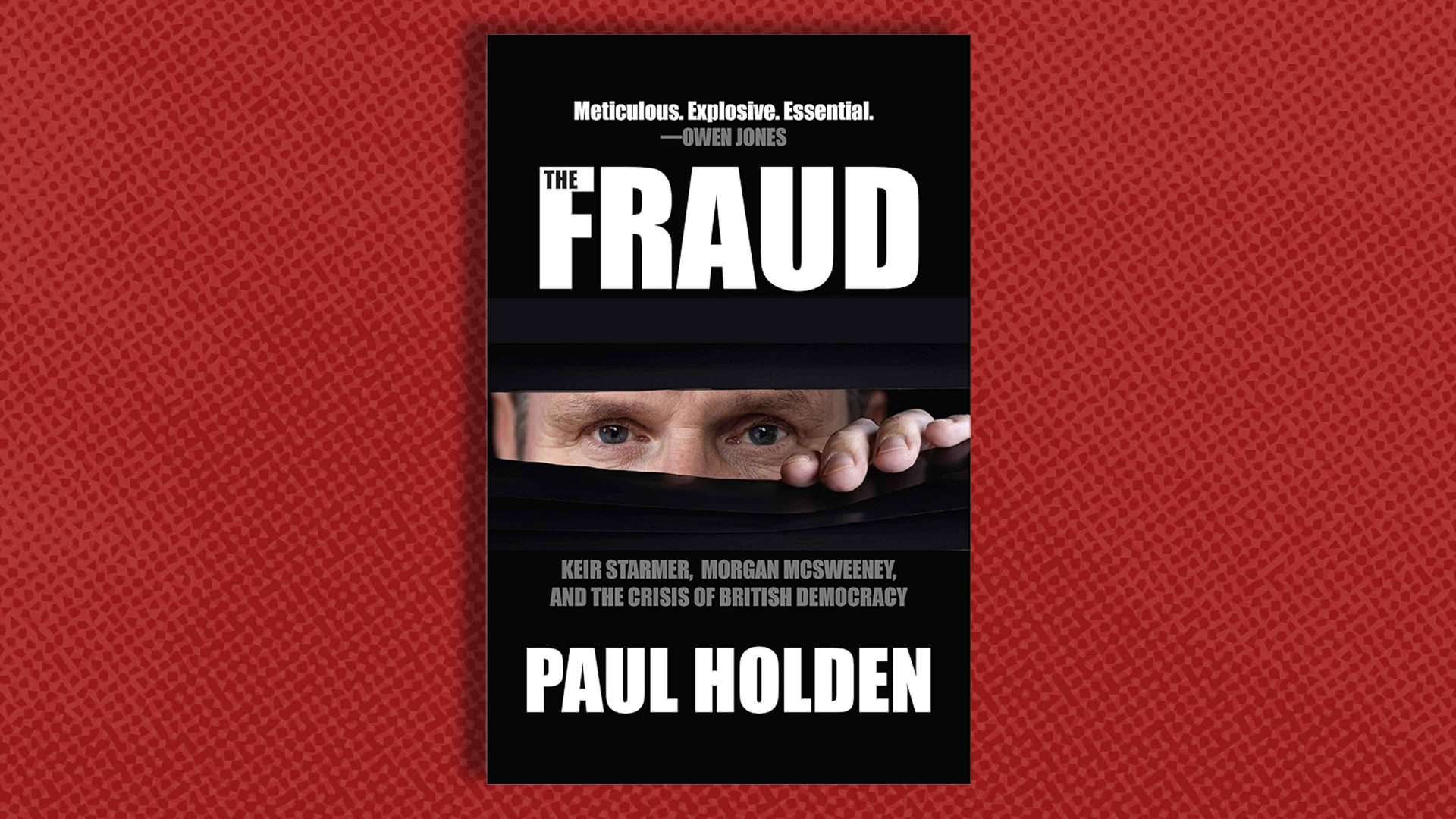
American Canto by Olivia Nuzzi is published by Avid Reader Press