In the city of London’s oldest pub, a place where the term “one for the road” was coined, I pour a double measure of Macallan 15 for a short man dressed entirely in black. As I hand him his whisky neat, he seizes my hand and draws me in, the handshake prolonged, almost performative – even Trumpian, maybe?
He knows I know what the handshake is about –although for now, he does not know that I am a journalist first and bartender second, and am seeking an inside look at one of Britain’s oldest fraternities, the Freemasons.
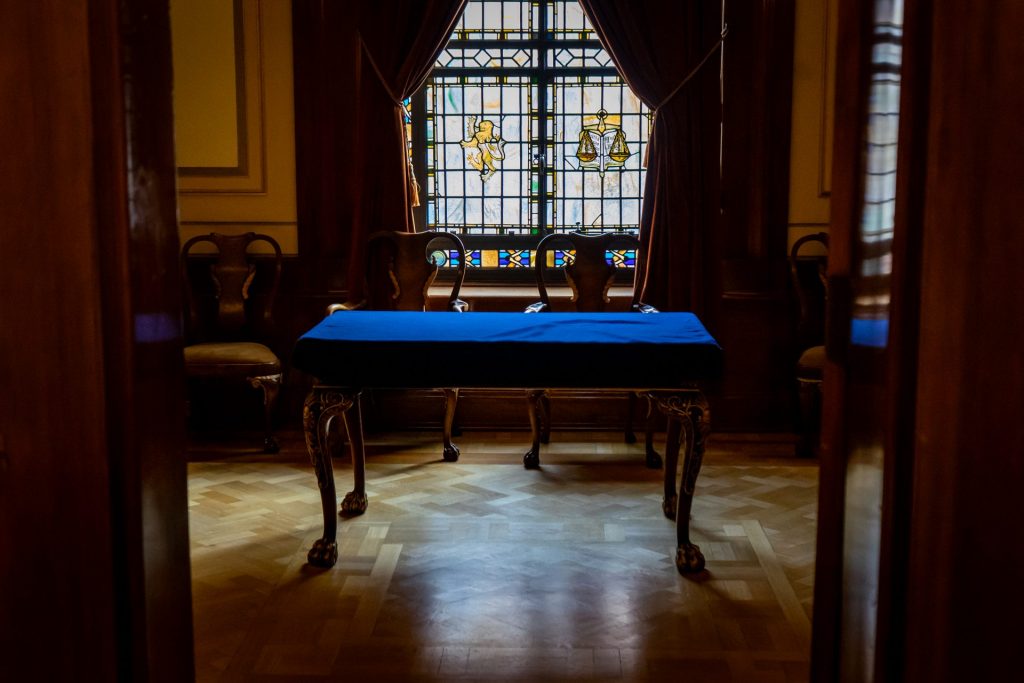
An empty lodge room inside Freemasons’ Hall is set for a ceremonial meeting for senior officers.
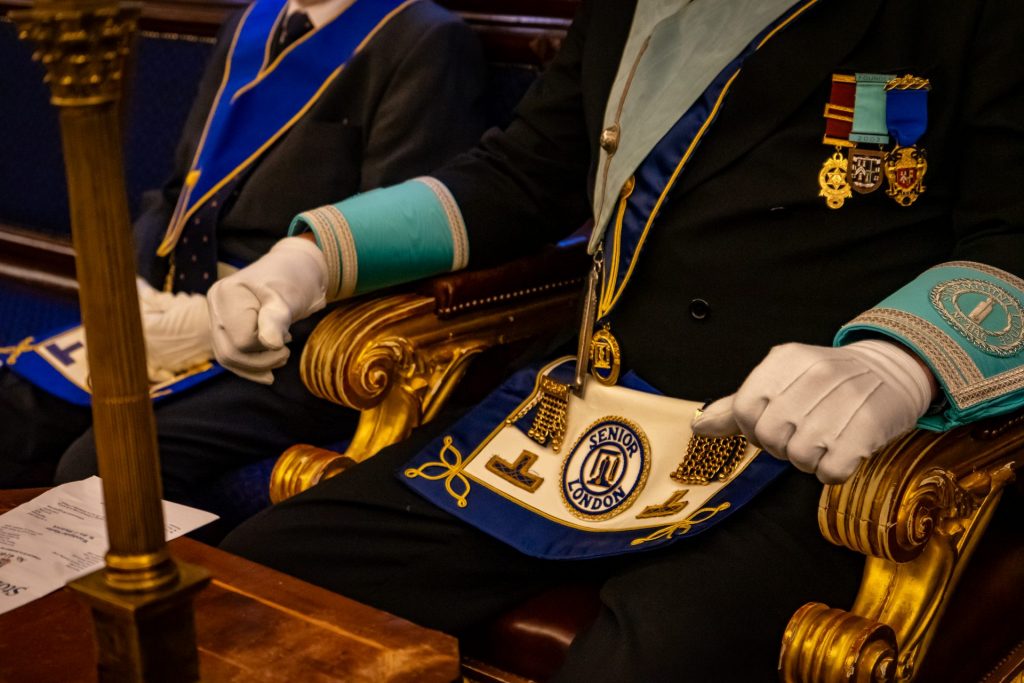
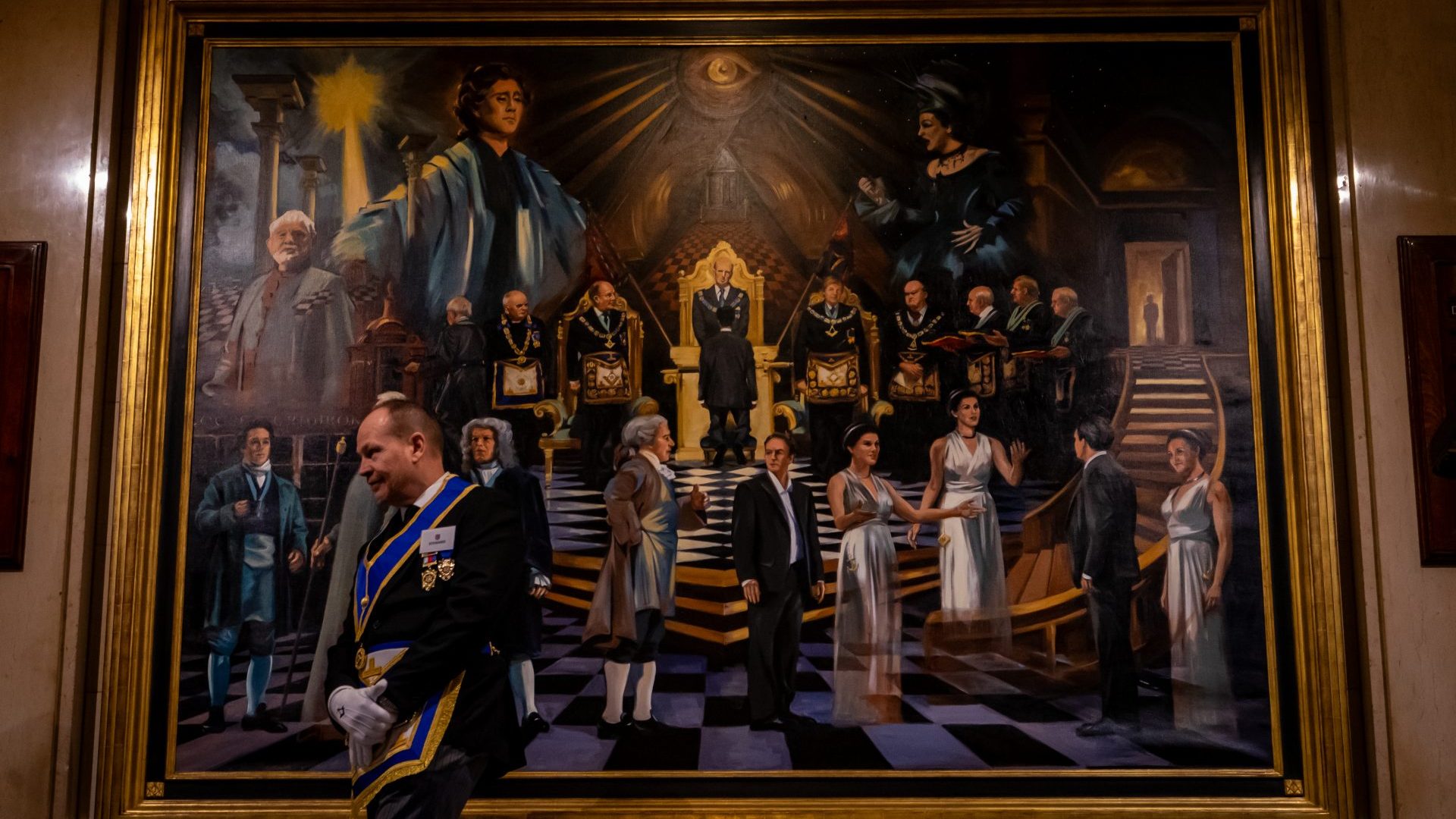
A member of Stormont Lodge No 4146 prepares ahead of a ceremonial meeting on one of the Freemasons’ Halls upper floors, wearing traditional regalia reflecting the hierarchical structure and long-standing customs of Freemasonry in Britain.
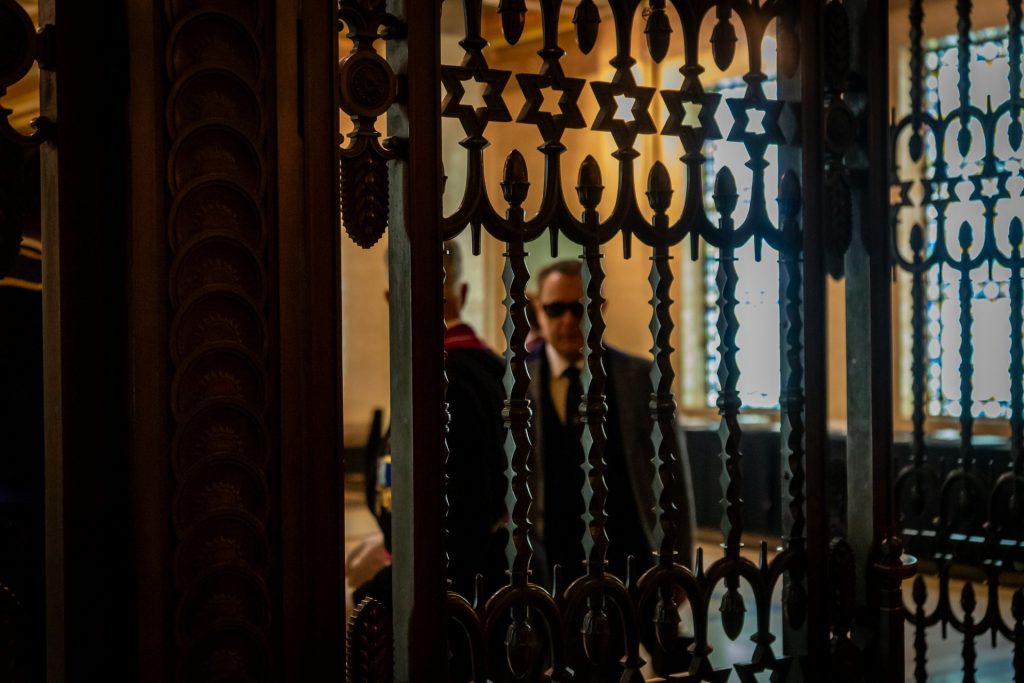
A Freemason seen through an ornate partition bearing the Seal of Solomon, a six-pointed star linked to King Solomon and long associated with wisdom and protection.
The pub is a regular haunt for members of what the United Grand Lodge of England’s website describes as “one of the oldest secular social and charitable organisations in the world”. It adds: “Membership is open to men over 18 from all backgrounds and the organisation’s aim is to empower members to be the best they can be – it’s about building character, supporting members as individuals and helping them make a positive contribution to society.” Those looking for mentions of the brotherhood as a shadowy, manipulative force secretly running the world will be disappointed.
I told the man in the pub – one of many Freemasons who drop in – that I was interested in going to a Masonic ceremony, as a journalist. Not long after, I was entering the United Grand Lodge’s art deco HQ, Freemasons’ Hall, in London’s Great Queen Street, for a Senior London Grand Rank ceremony. I was taken on a guided tour and allowed to take photos on a day when many members flowed around the wide, marble halls, getting ready for their own private rituals with other Freemasons from their respective local lodges.
Some information is freely available. Founded in 1717, the United Grand Lodge of England now presides over more than 6,800 lodges across the UK, counting some 200,000 members. There are up to six million Freemasons worldwide, including around one million in the US.
One of them is the astronaut Buzz Aldrin, who carried Masonic items on Apollo 11. With a deputation from the Most Worshipful Grand Lodge of Texas, he effectively established Masonic jurisdiction on the moon, commemorated by Tranquillity Lodge No 2000.
Back on Earth, it seems Freemasonry is intent on opening up – to a point. There is a desire to recruit younger members (hence, I think, the approach to a barman in a London pub). Presumably, this is driven by the numbers: last year, the Observer reported that the average age of UK Masons was 60, that membership was declining by around 2.5% per year and that attempts to grow were being stifled by drop-outs: it said about 17% of new initiates leave within three years.
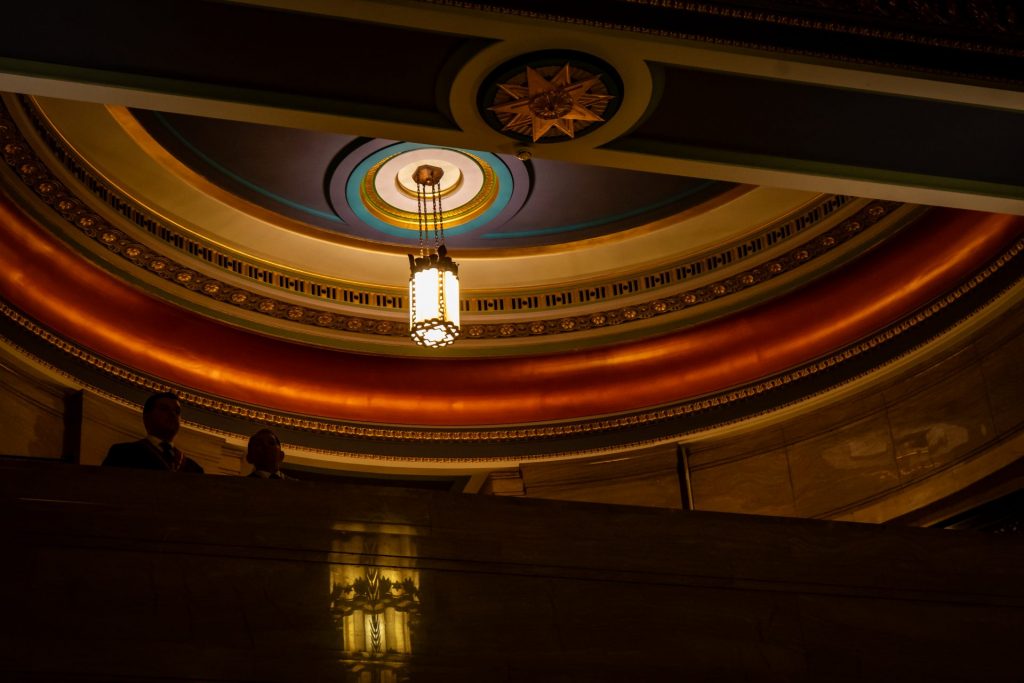
after centuries of secrecy, the Freemasons are trying to be more open as two members of the United Grand Lodge prepare to take part in a ceremony on March 4.
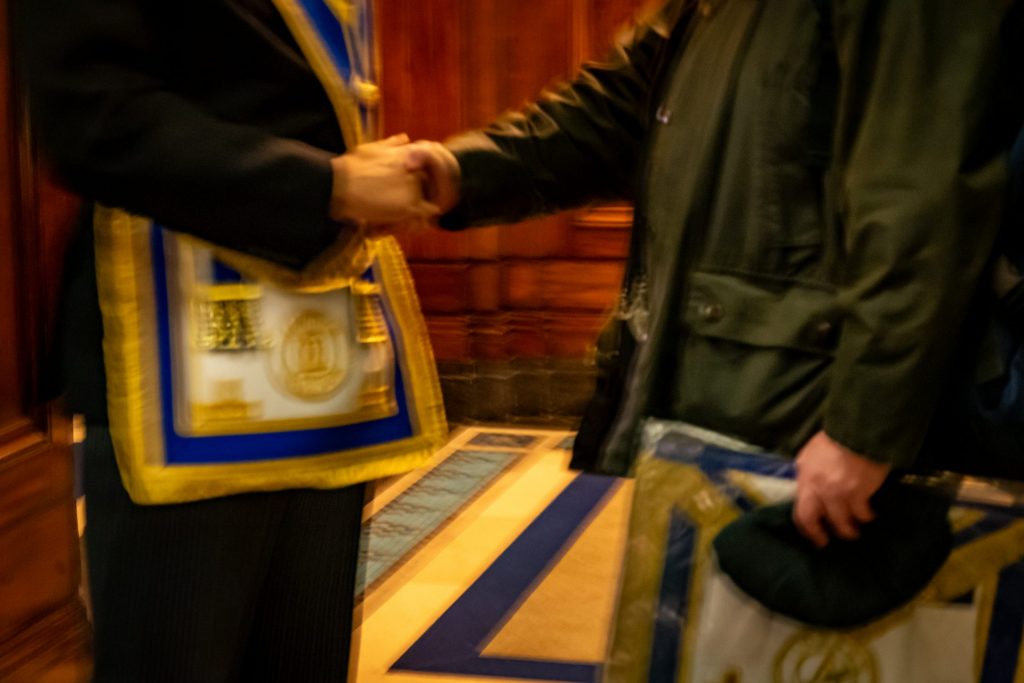
Freemasons wearing their ceremonial regalia shake hands inside the Freemasons’ Hall, where formal greetings and symbolic gestures remain part of lodge culture.
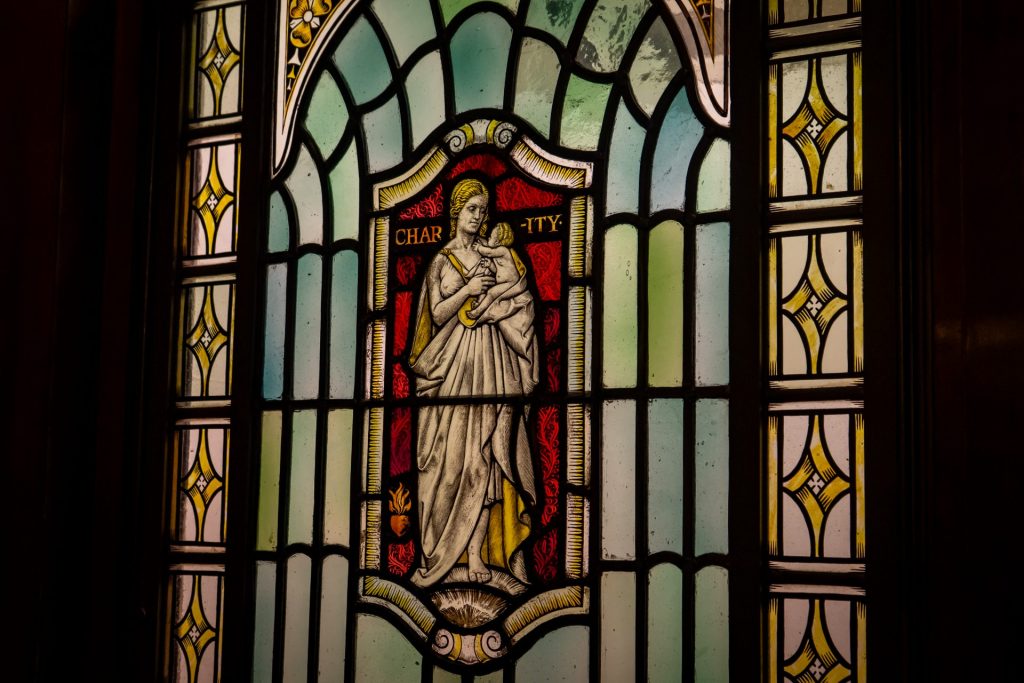
charitable giving is a central principle of Freemasonry, with members supporting a range of causes across the UK.
The Freemasons say they are no longer secretive, nor do they want to be. Yet each handshake and each piece of regalia still carries a certain weight and mystery, leaving unresolved the questions of how powerful the institution once was, and what it now represents (the UGL website says Freemasonry’s values are “Integrity, Friendship, Respect and Service”).
Freemasonry does not insist on being understood, and it remains difficult to define in contemporary Britain. It is certainly not as powerful as its critics once claimed, nor does it feel as irrelevant as its declining numbers might suggest.
Rather than the ritual and regalia, what might be most interesting is that at a point when the world is becoming less democratic and small groups of wealthy men control information, a secretive group is trying to open up.
Whatever the motivation, in times like these, the aims of brotherhood, benevolence and belonging do not sound so bad.
Harry James Relf is a photojournalist based in London