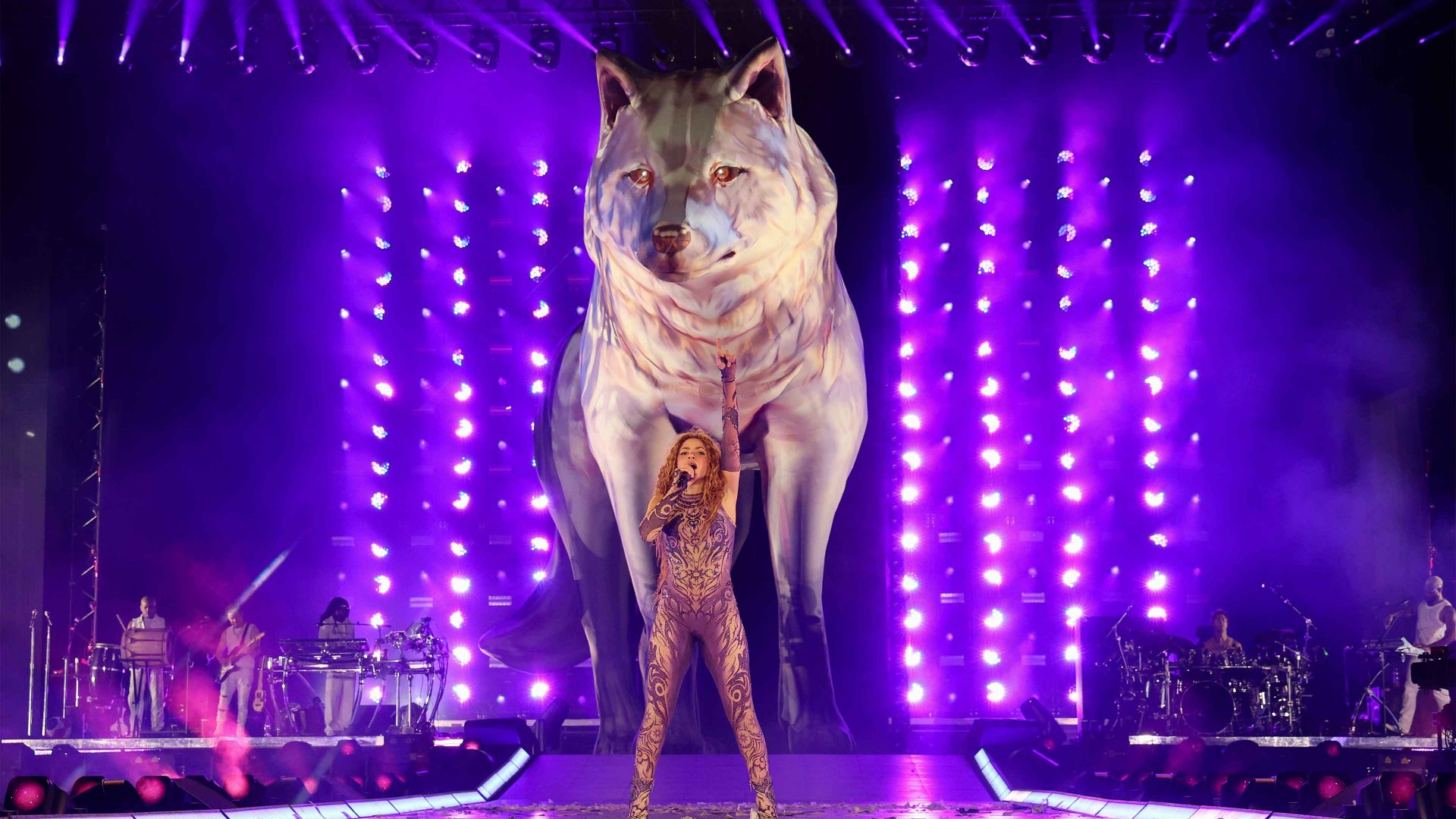
I saw Shakira perform in Cali this October, her first return to the city in nearly 20 years. The atmosphere was electric: fans donned purple wigs in a nod to her early 2000s work, She Wolf-inspired animal ears and, of course, glittering belly dance hip scarves. But, much to my surprise, the night’s biggest roar erupted before she even took to the stage.
Those screams were reserved for her support act, Grupo Niche, the city’s legendary salsa institution that has electrified dancefloors for more than four decades. Shakira was the global superstar, of course, but Grupo Niche were the hometown heroes, greeted with the kind of delirium usually reserved for World Cup champions.
It perhaps shouldn’t have surprised me – Caleños pride themselves in calling their city the world capital of salsa.
Down Calle del Sabor, “the Street of Flavour”, locals pack the pavements to dance the paso caleño, and underground salsa clubs, known as salsatecas, blast rhythmic beats late into the night. In El Museo de Salsa, black-and-white photos of the genre’s icons adorn the walls, while more than 100 salsa schools scattered across the city teach locals and tourists alike how to master the rapid-fire footwork.
The city’s annual Feria de Cali, held over Christmas, is a testament to the obsession. Its spectacular Salsódromo parade sees thousands of dancers salsa down a mile-long route, a sort of salsa marathon.
So when Grupo Niche launched into their decades-old classics – saving extra affection for the region’s unofficial anthem, Mi Valle del Cauca – the 77,000-strong crowd exploded. With women making up most of the audience, traditional partner salsa melted into fast-footed solo improvisation under the stadium lights.
It’s worth pausing here to clarify that salsa wasn’t born in Cali. New York City, where dance moves and music from Cuba, Puerto Rico and Harlem mingled, holds that claim.
Instead, anecdotal stories trace salsa’s arrival in Cali to the nearby port city of Buenaventura, where sailors brought back records from the States. Others say that when Fidel Castro shut down Mafia-run nightclubs in Havana, many musicians fled the island and found new audiences in the Americas, including Cali.
Suggested Reading
Latin America has a high-stakes showdown – again
The 1980s Cali Cartel can claim a role, too. If you’ve watched Narcos, think season three. Their lucrative cocaine trade pumped vast sums into the city and fuelled a circuit of extravagant parties. Cocaine barons even flew in top salsa orchestras and musicians from Puerto Rico and New York. (Grupo Niche’s founder, Jairo Varela, later served a year in prison for accepting illicitly sourced payments for performing at some of these events.)
Shakira, from the Colombian city of Barranquilla, knew what she was up against on October 25 – and seemed to revel in it, bringing the Grupo Niche musicians on stage during her own set to perform Sin Sentimiento. I admit, I couldn’t really see the set through the sea of mobiles.
The show, part of Shakira’s Las Mujeres No Lloran tour, marked her first performance in the Cauca Valley in nearly 20 years. “Cali tastes of sugarcane, sounds of drums, and its joy is contagious,” she told the crowd. “I’m going to give it my all tonight.” And she did, weaving in the full range of her catalogue – from bare-footed rockera past to reggaeton queen present.
When she performed TQG, her more recent blockbuster collaboration with Medellín’s rapidly rising pop star Karol G, it also subtly underscored just how dramatically the Latin music landscape has shifted over the past few decades.
When Shakira first broke on to the global stage, her crossover hits were largely in English – Whenever, Wherever and Hips Don’t Lie chief among them. She wasn’t alone: Ricky Martin (Livin’ la Vida Loca), Enrique Iglesias (Hero) and a wave of other Spanish-language artists found that international fame often required switching languages.
But today’s generation has rewritten the rules. Bad Bunny, Karol G, Rosalía: all global, all chart-topping, none required to sand down their accents or swap their mother tongue for English. Their success has helped flip the power dynamic, making Spanish-language pop not an exotic export but the engine of global hits.
Still, as Shakira traded verses with Grupo Niche, and as a huge wolf was rolled on to the stage for the closing numbers, you were reminded that even in an era of boundary-breaking Latin pop, some pecking orders still belong to the local talent.
Harriet Barber is a freelance journalist covering human rights abuses, migration and politics in South America