First came bombs, then, briefly, silence. Now masked militias loyal to the government have begun creeping into Venezuela’s neighbourhoods. The removal of Nicolás Maduro has not brought freedom to Venezuela. This is a new phase of repression.
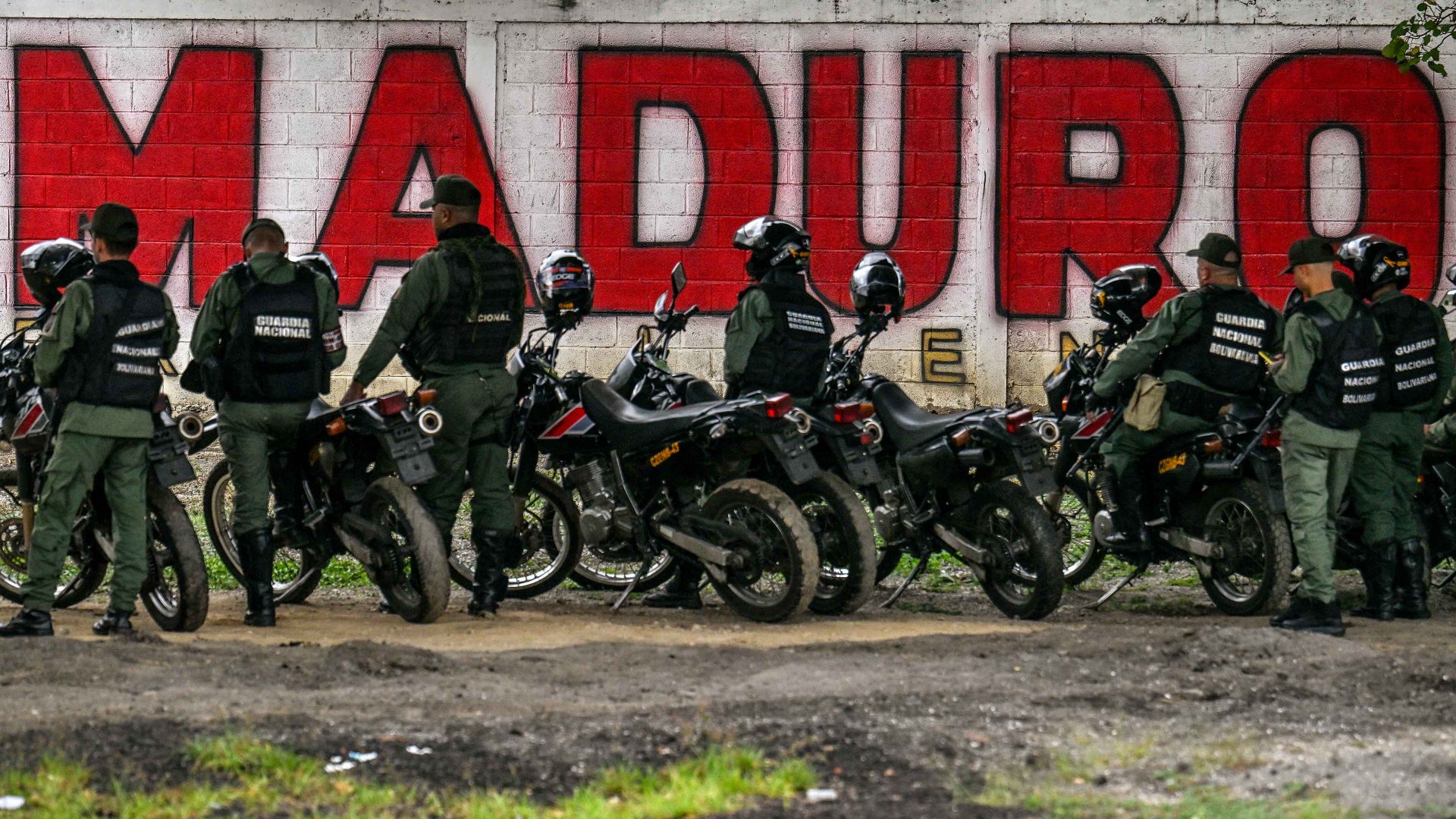
In Caracas, militias, known as colectivos, have been patrolling, armed with assault rifles, putting up checkpoints and roadblocks, often alongside intelligence officers in plain clothes from the feared SEBIN and DGCIM intelligence agencies. The aim is to stifle dissent and make sure no one mistakes political upheaval for a power vacuum.
“None of us here have been able to demonstrate or celebrate what happened; we hide and delete chats whenever we travel, to avoid being detained,” said one Caracas lawyer. People will only talk on condition of anonymity. “There is still a lot of fear and uncertainty about what the Delcy Rodríguez regime might do.” Rodríguez is Maduro’s former vice-president, and the current acting president.
Patrols have been stopping cars and demanding access to people’s phones, he said. Security forces have boarded buses searching for people who support Maduro’s removal. A text, a meme, a forwarded video – the slightest thing can land you in jail. Simply going outside is dangerous.
A new emergency decree has authorised police to “immediately begin the national search and capture” of anyone accused of supporting what the government calls an armed attack backed by the US. The language is intentionally sweeping and vague. It’s a legal framework designed to criminalise dissent.
The crackdown isn’t just a street thing. On Monday at least 14 journalists and media employees, including 13 members of international media organisations, were detained in Caracas. Thirteen were later released and one was deported.
Another Venezuelan, who also wished to remain anonymous, said that in the aftermath “of waking up at 2am to a ‘gringo’ bombing,” there is fear that there will be more US strikes.
Delcy Rodríguez has sought to project calm and continuity. “The government of Venezuela runs our country,” she said on Tuesday. “No one else.”
And it’s true – there are some signs of normality. Cafes and restaurants have reopened, traffic clogs familiar avenues, and shops trade as usual.
Cristóbal Picón Ball, a Venezuelan journalist exiled in Madrid, said that colectivos are only focusing on certain Caracas neighbourhoods. There is now what he called a “tense calm” across the city. “People are very anxious to see what’s going to happen,” he said.
Suggested Reading
Trump’s deadly game of risk in Venezuela
One woman told him “we need actual changes to come quick – more than just Maduro being apprehended.”
The UN high commissioner for human rights, Ravina Shamdasani, said the state of emergency “raises concerns” by authorising restrictions on movement, seizures of property and the suspension of the right to assembly and protest.
Venezuela, under Maduro and his predecessors, is no stranger to repression. Protests have always been violently quashed, and opposition figures harassed, jailed or driven into exile. Thousands of Venezuelans have been imprisoned for political reasons over the past decade, with as many as 900 still in detention.
For many Venezuelans, the lesson is brutally clear: regimes may change, but the machinery of control endures – ready to reassert itself the moment power feels threatened.
Harriet Barber covers human rights abuses, migration, women’s rights and politics in South America